
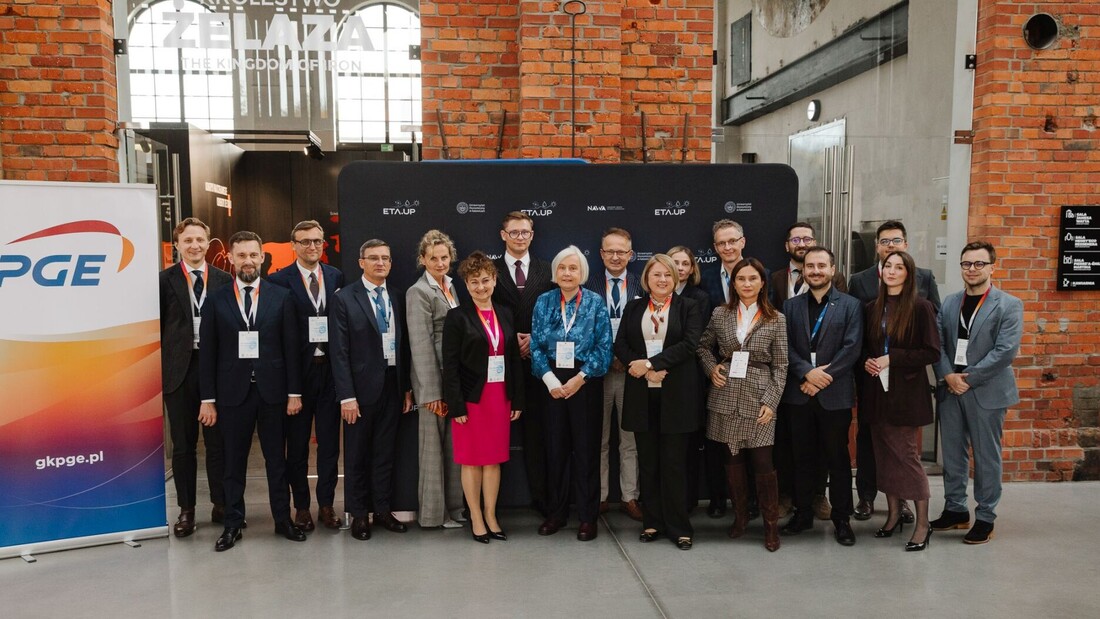
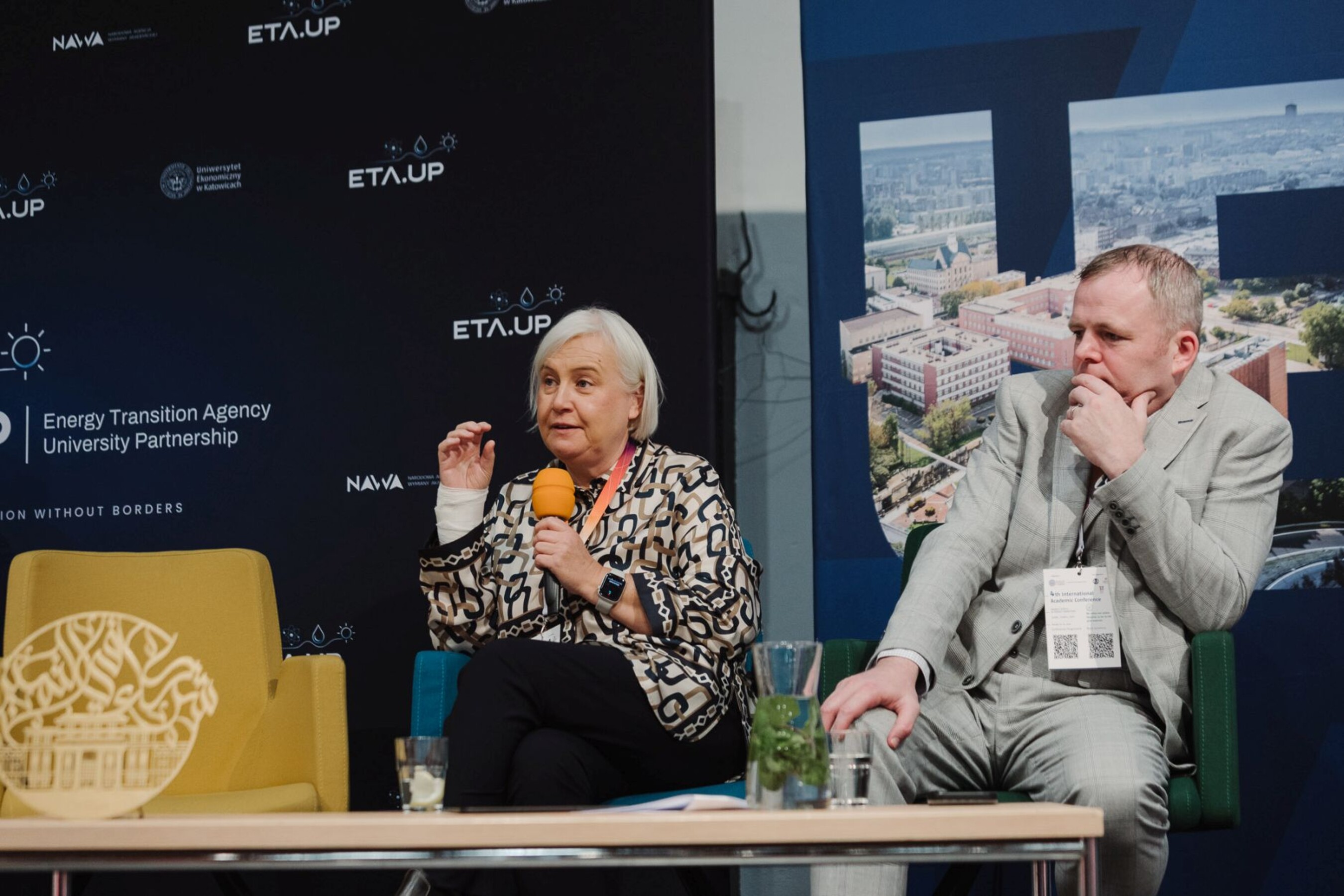
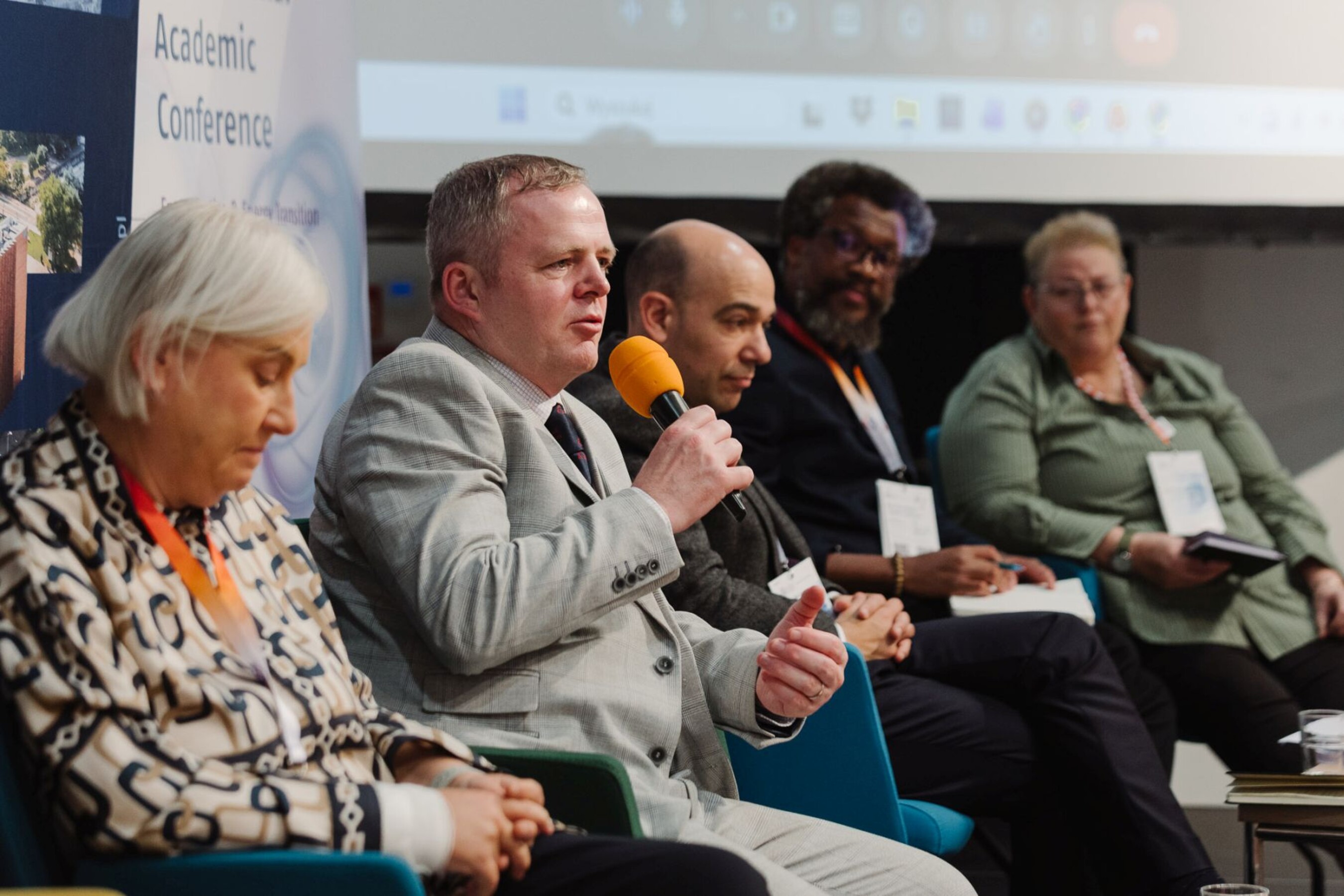
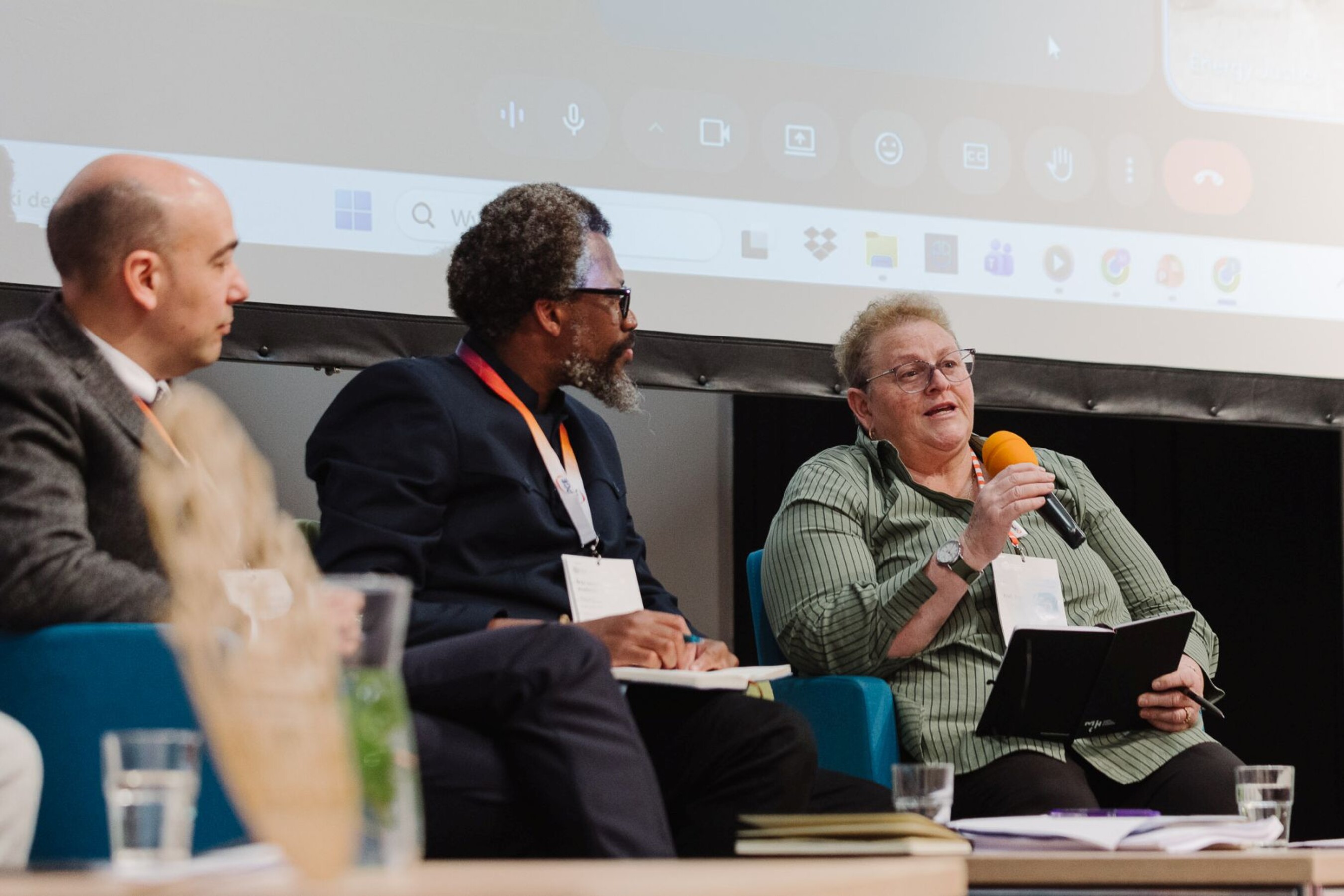
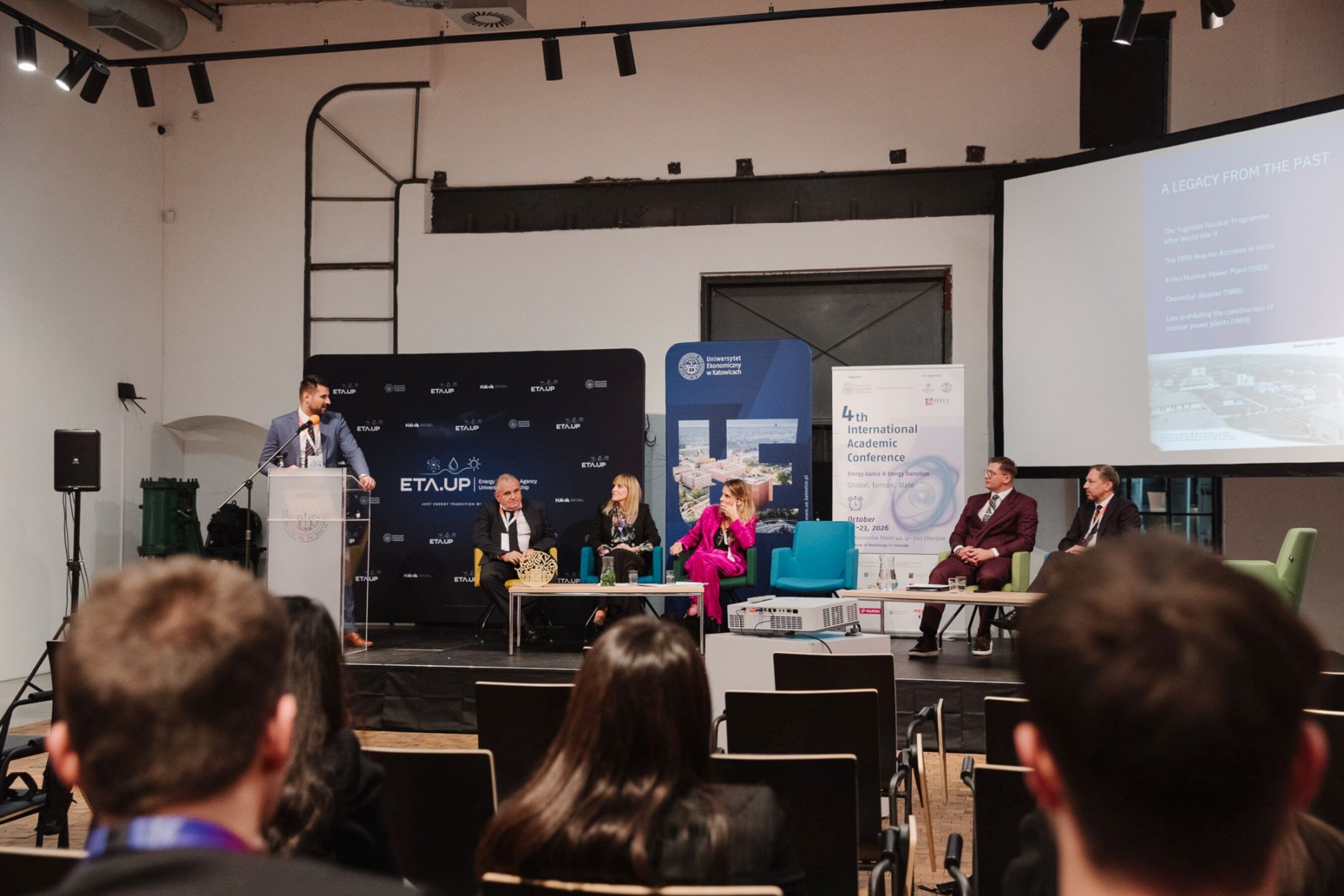
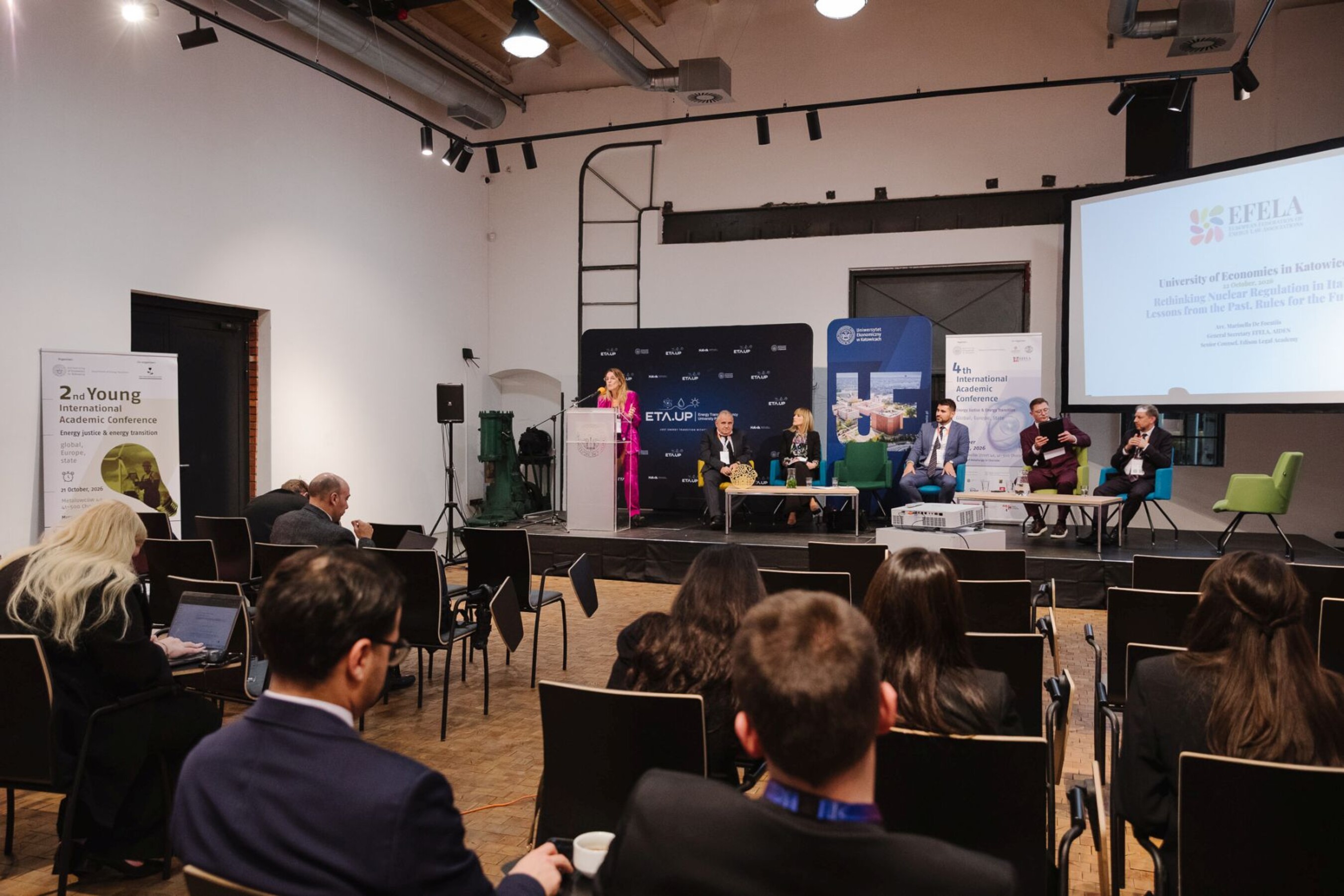
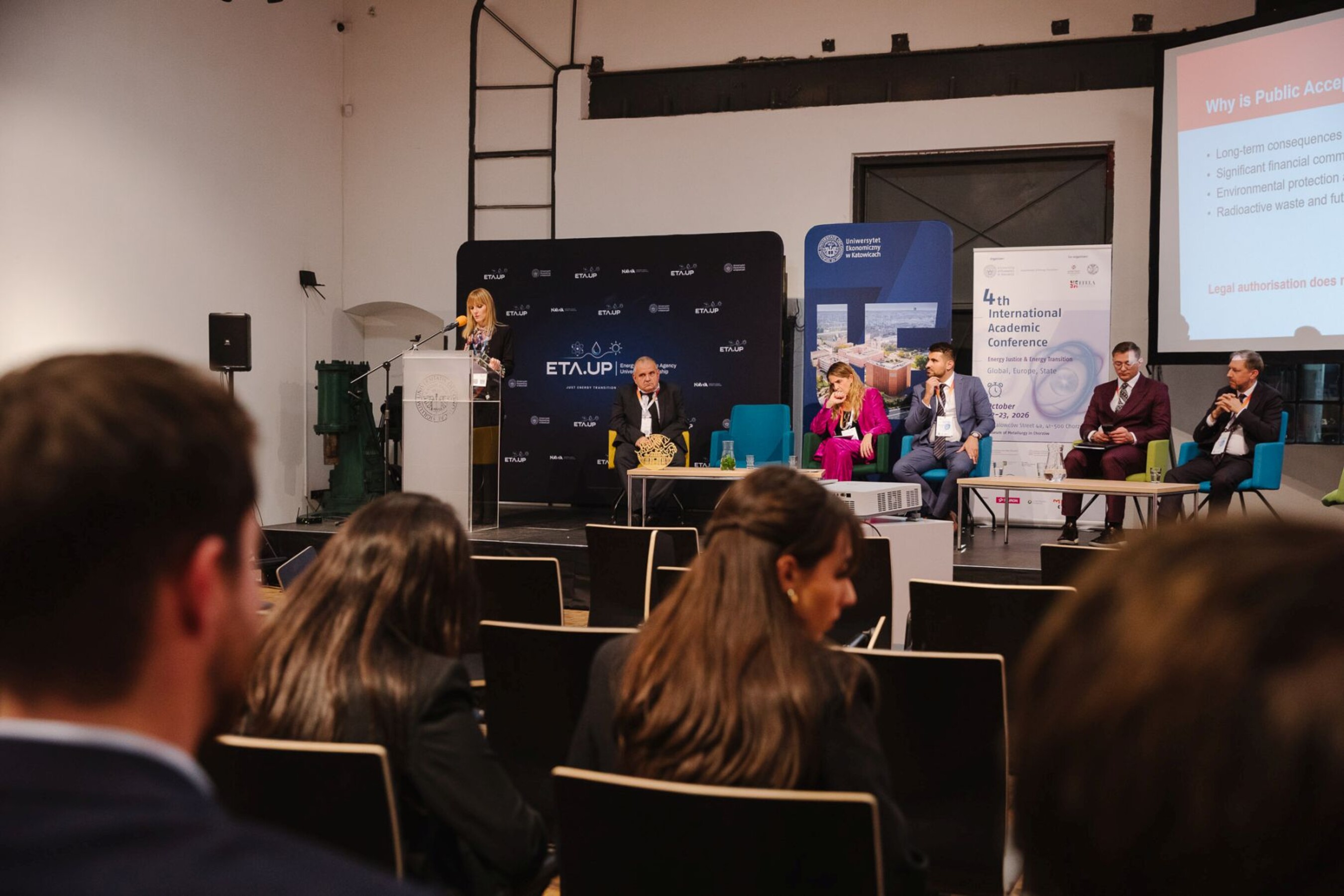
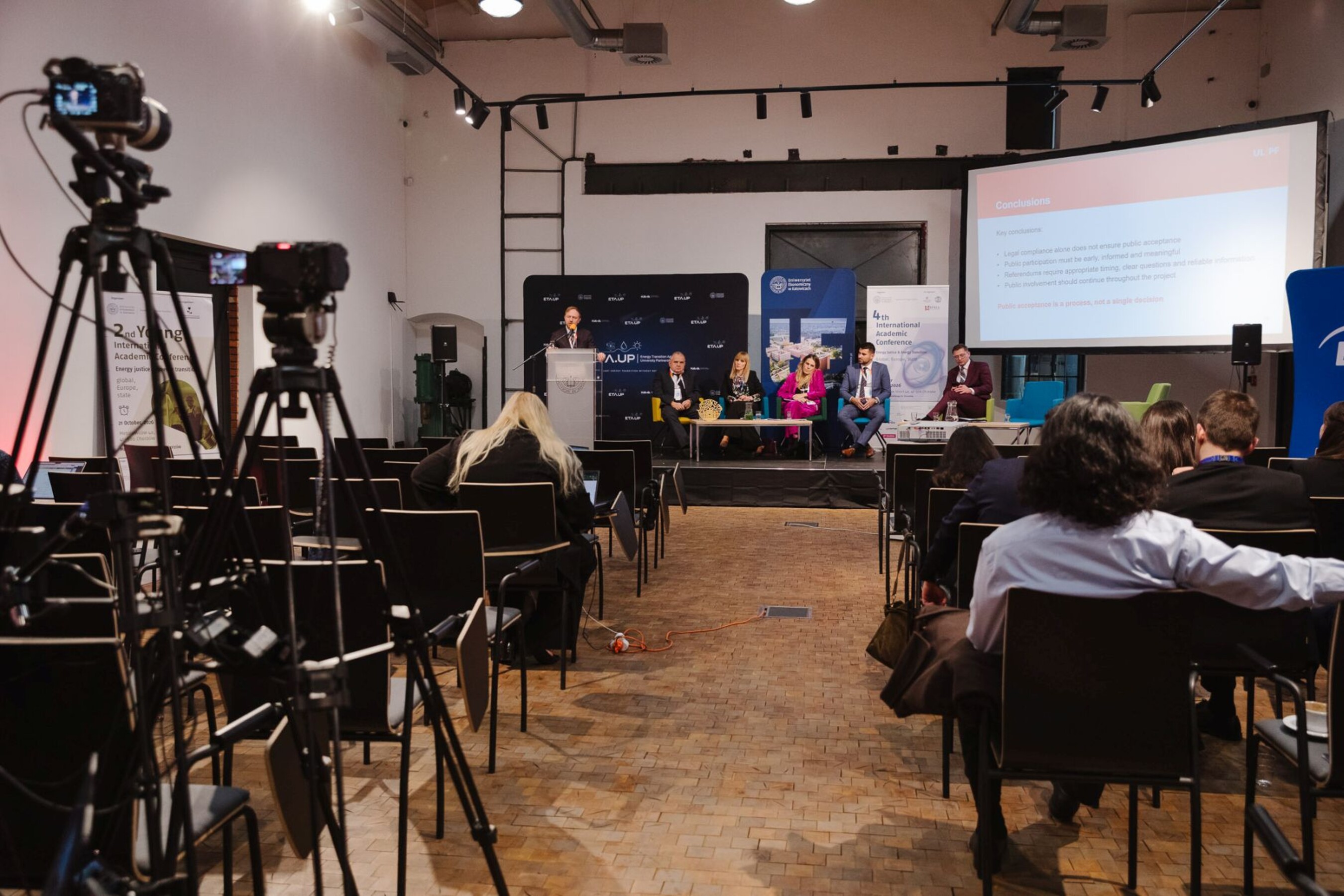
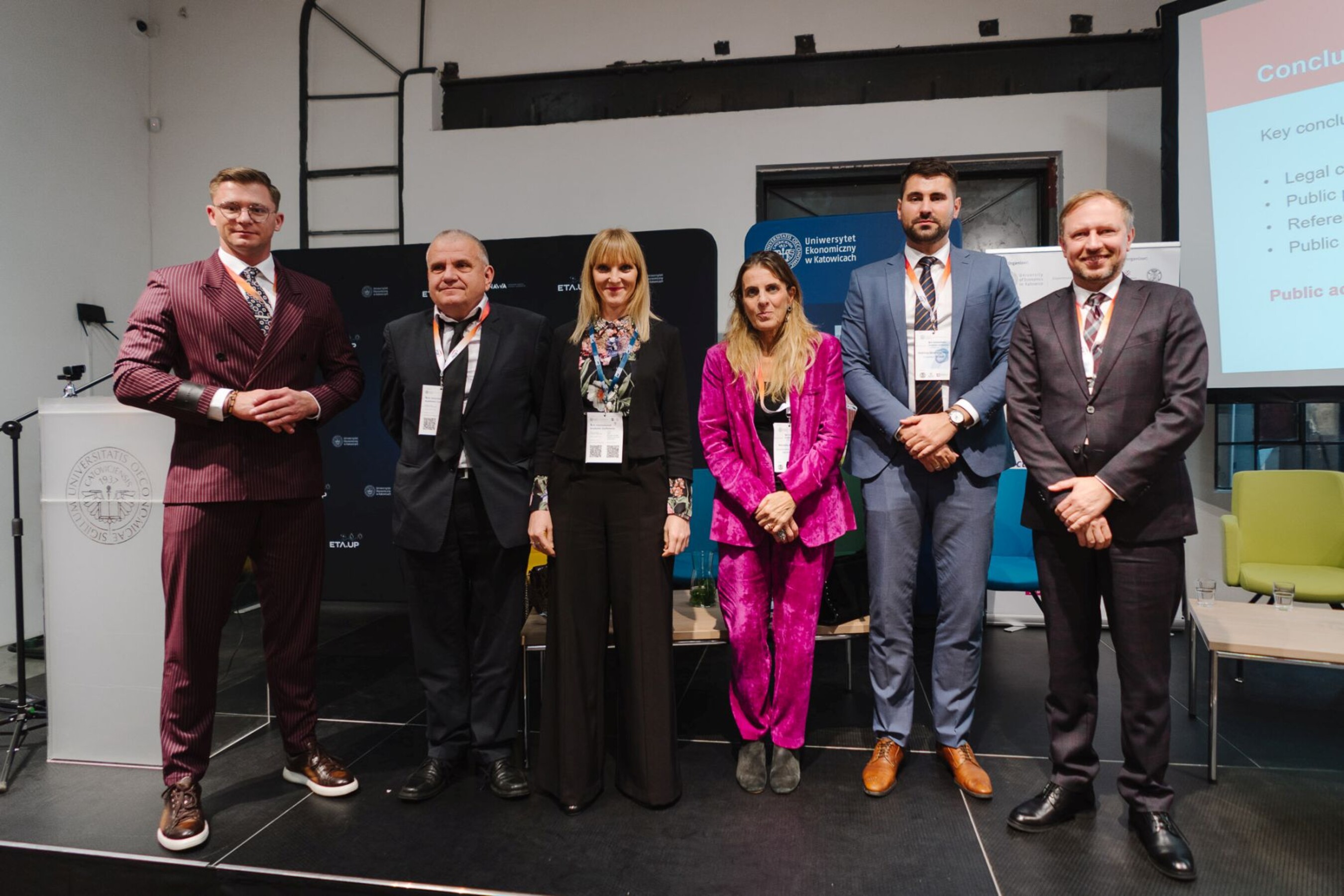
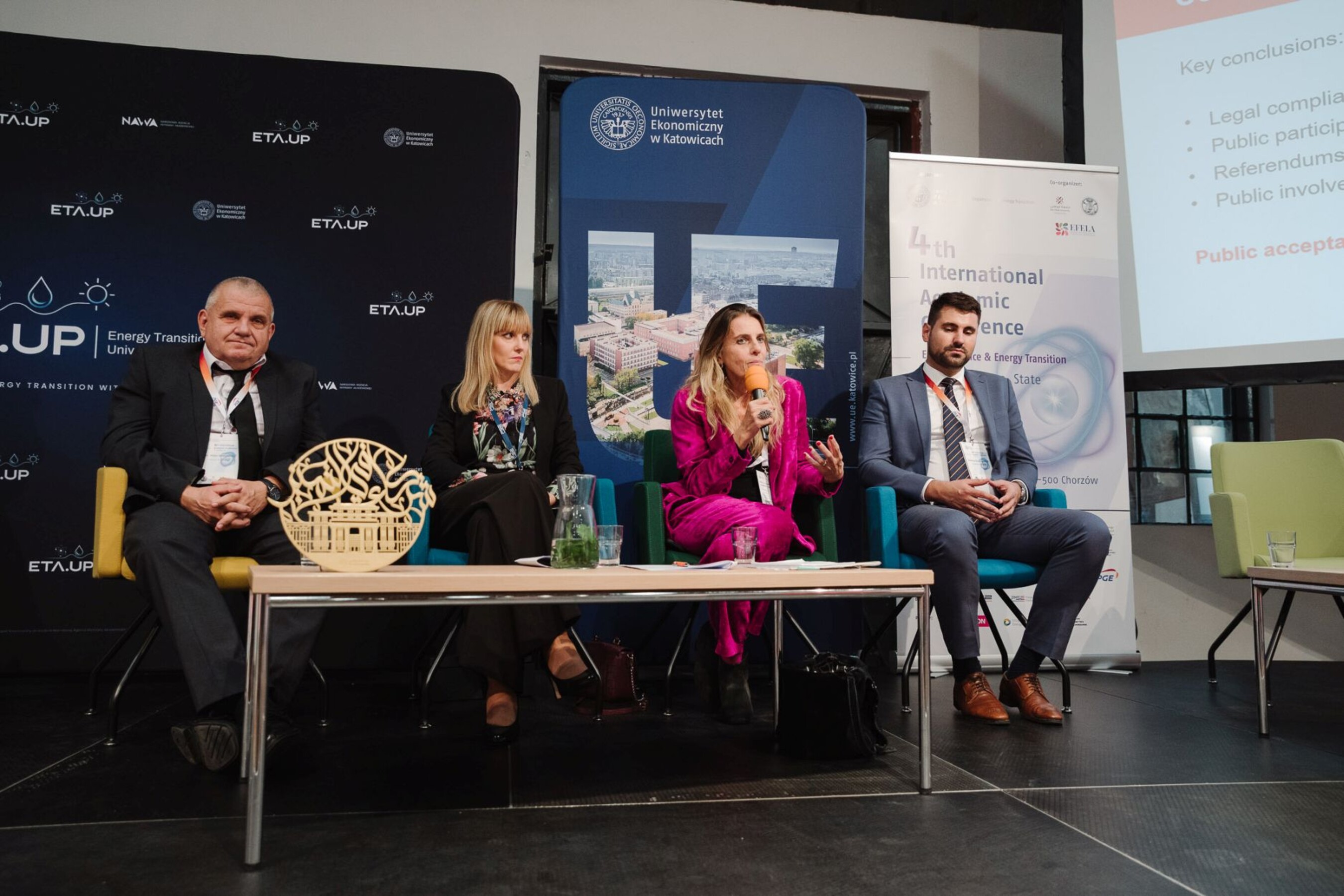
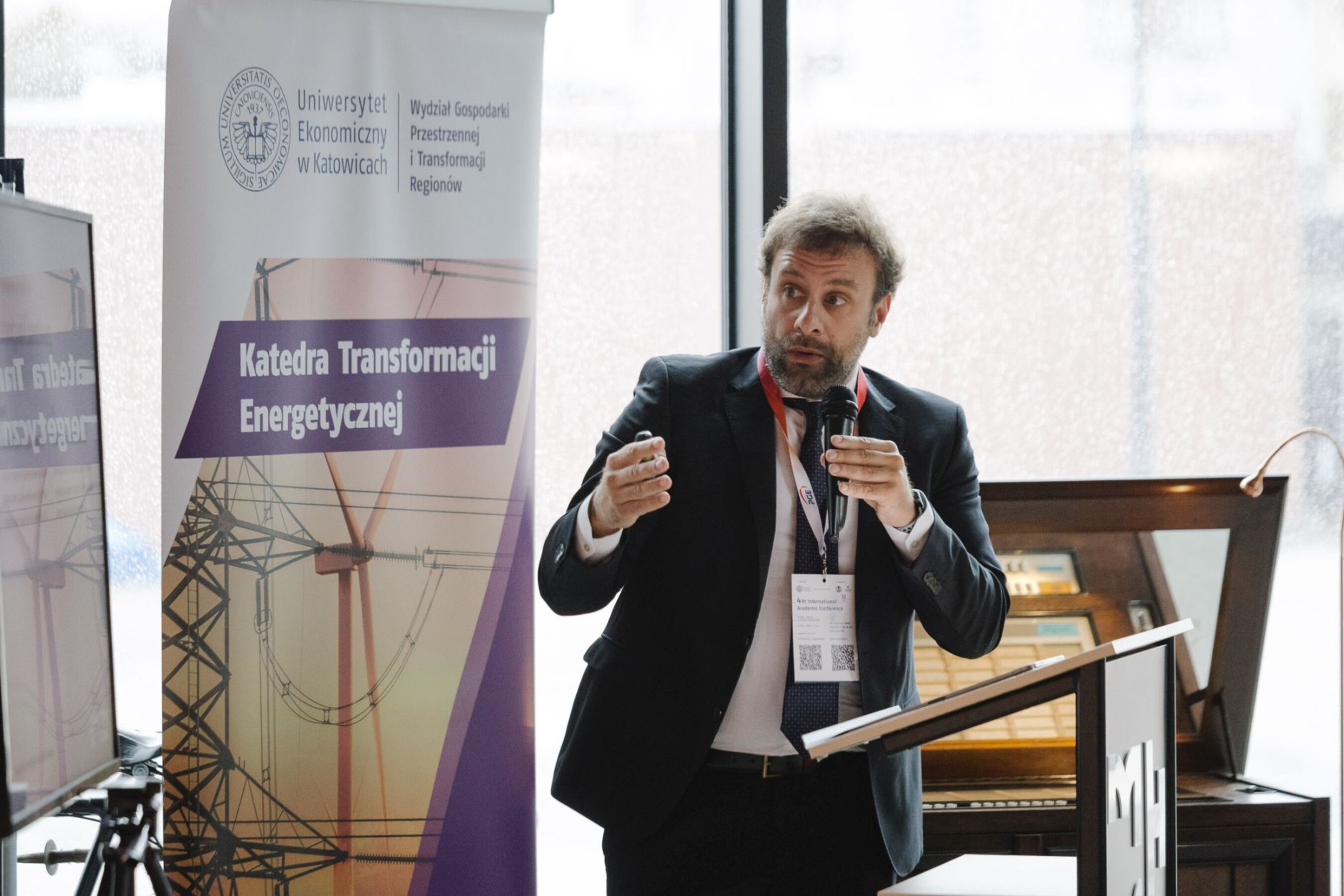
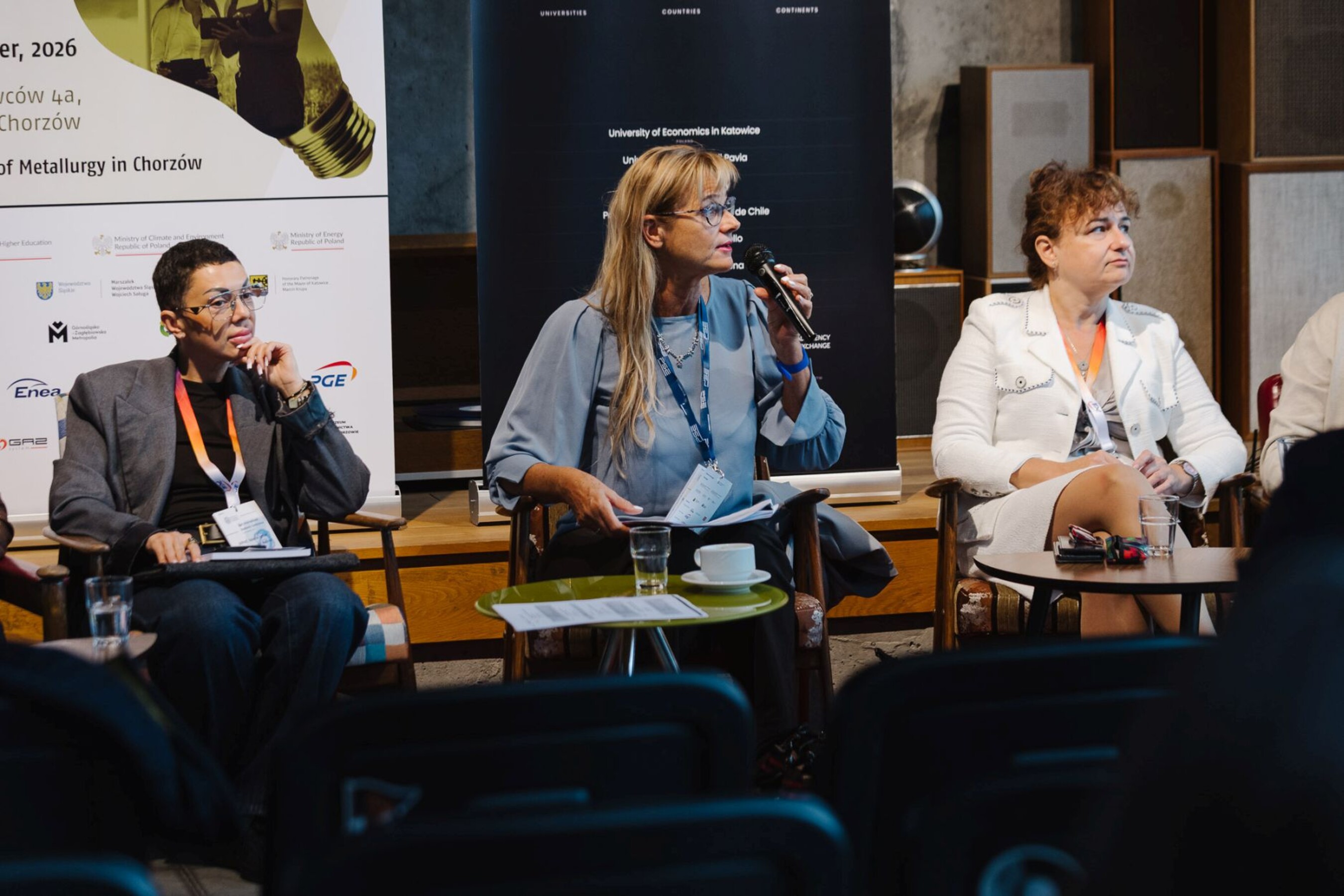
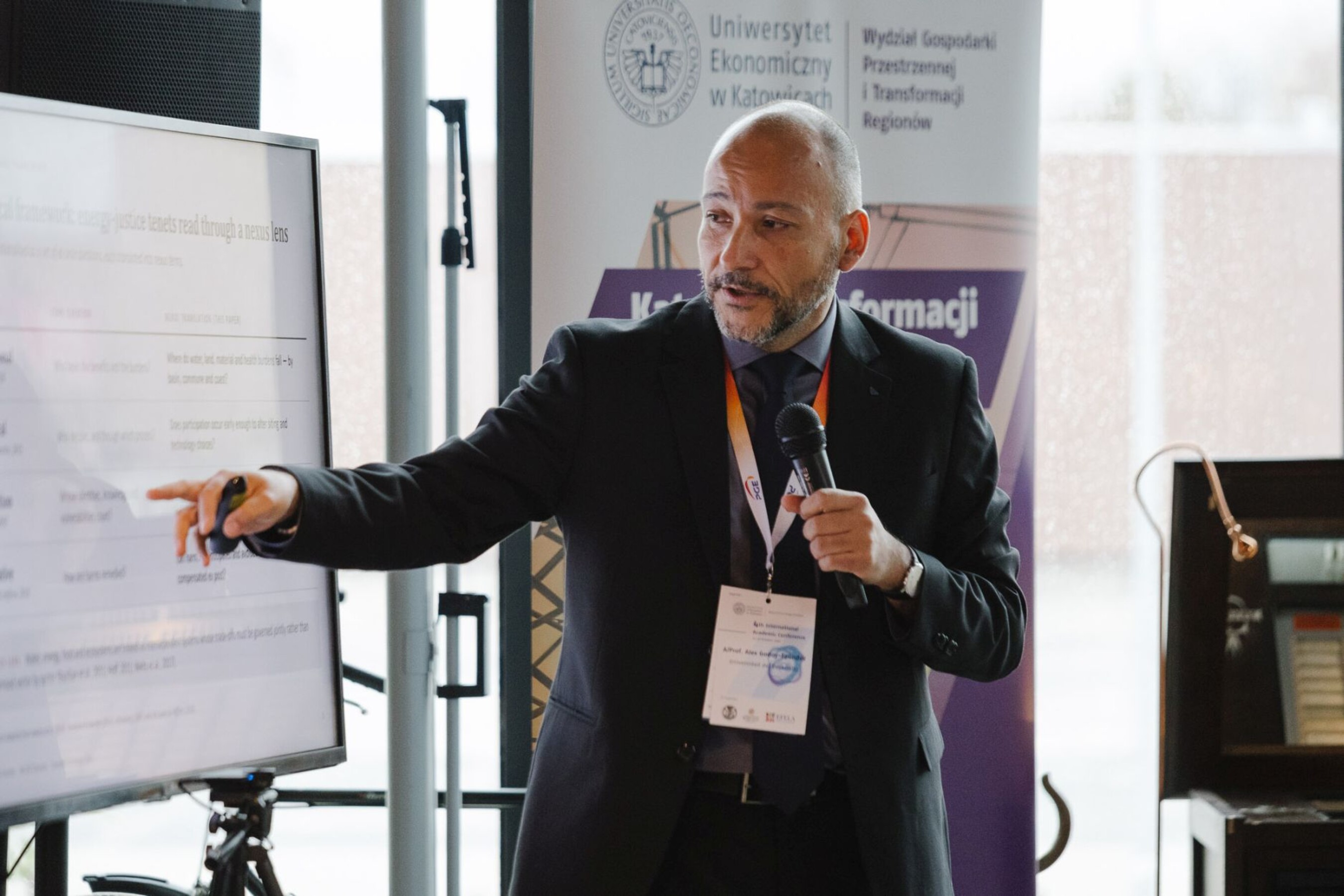
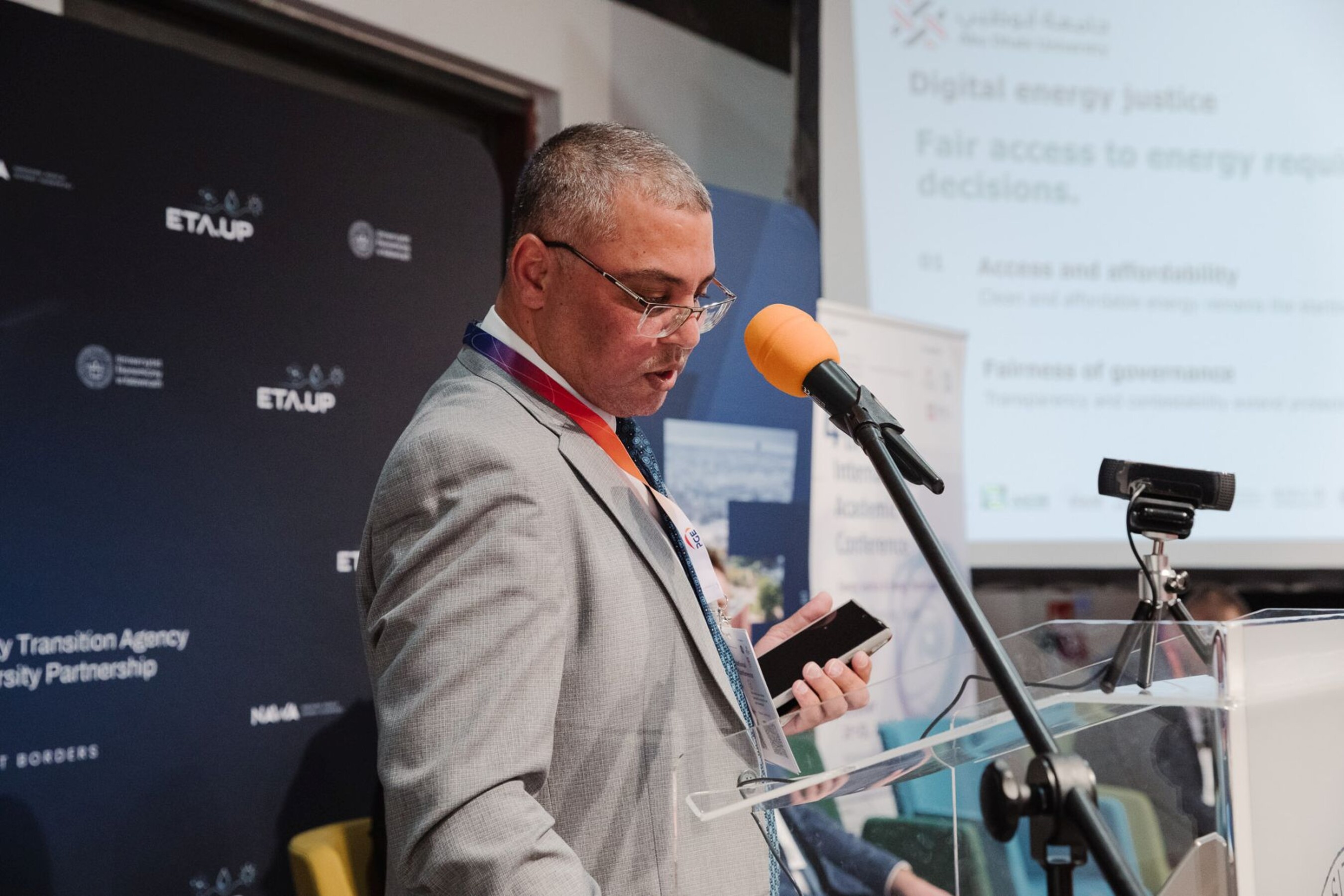
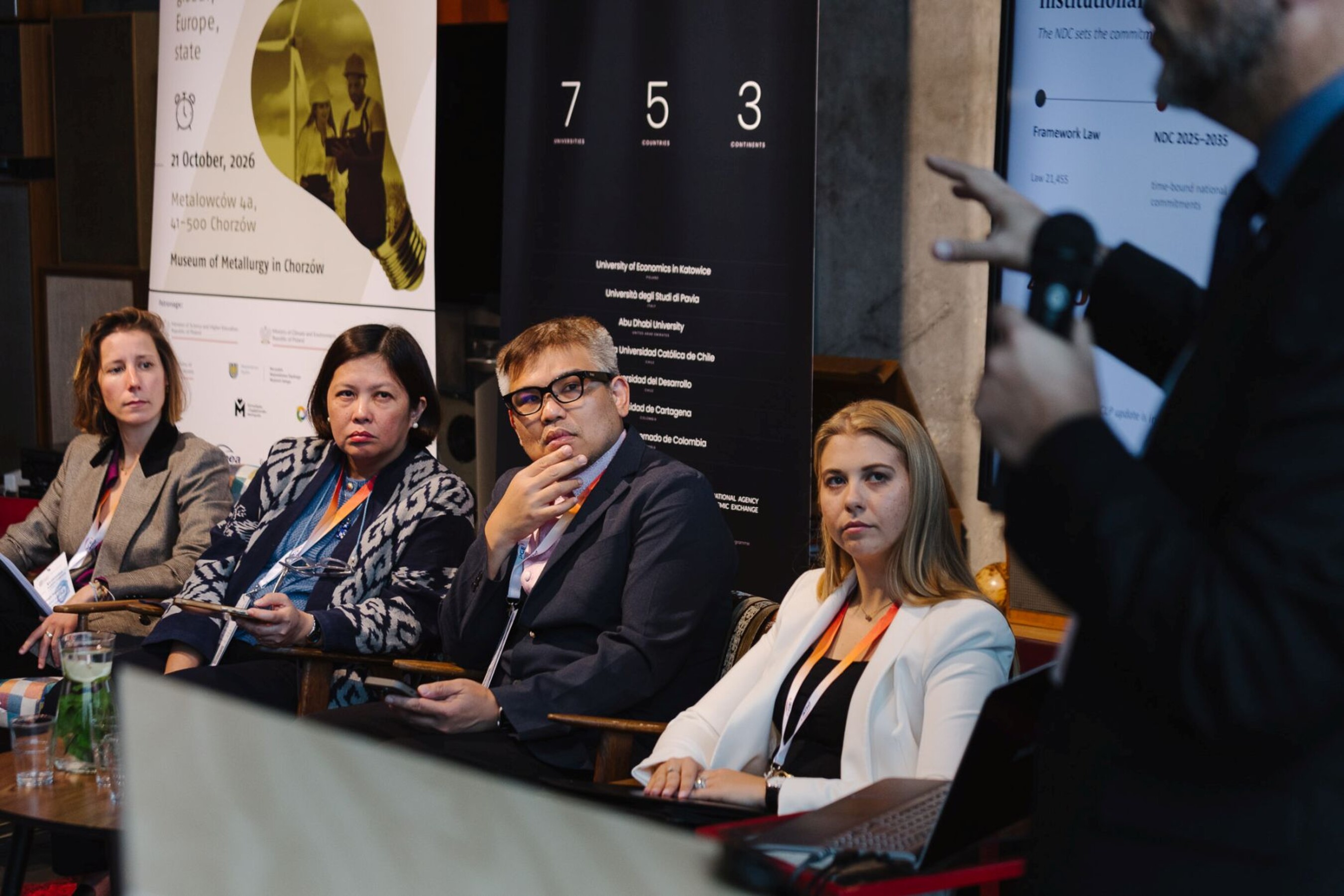
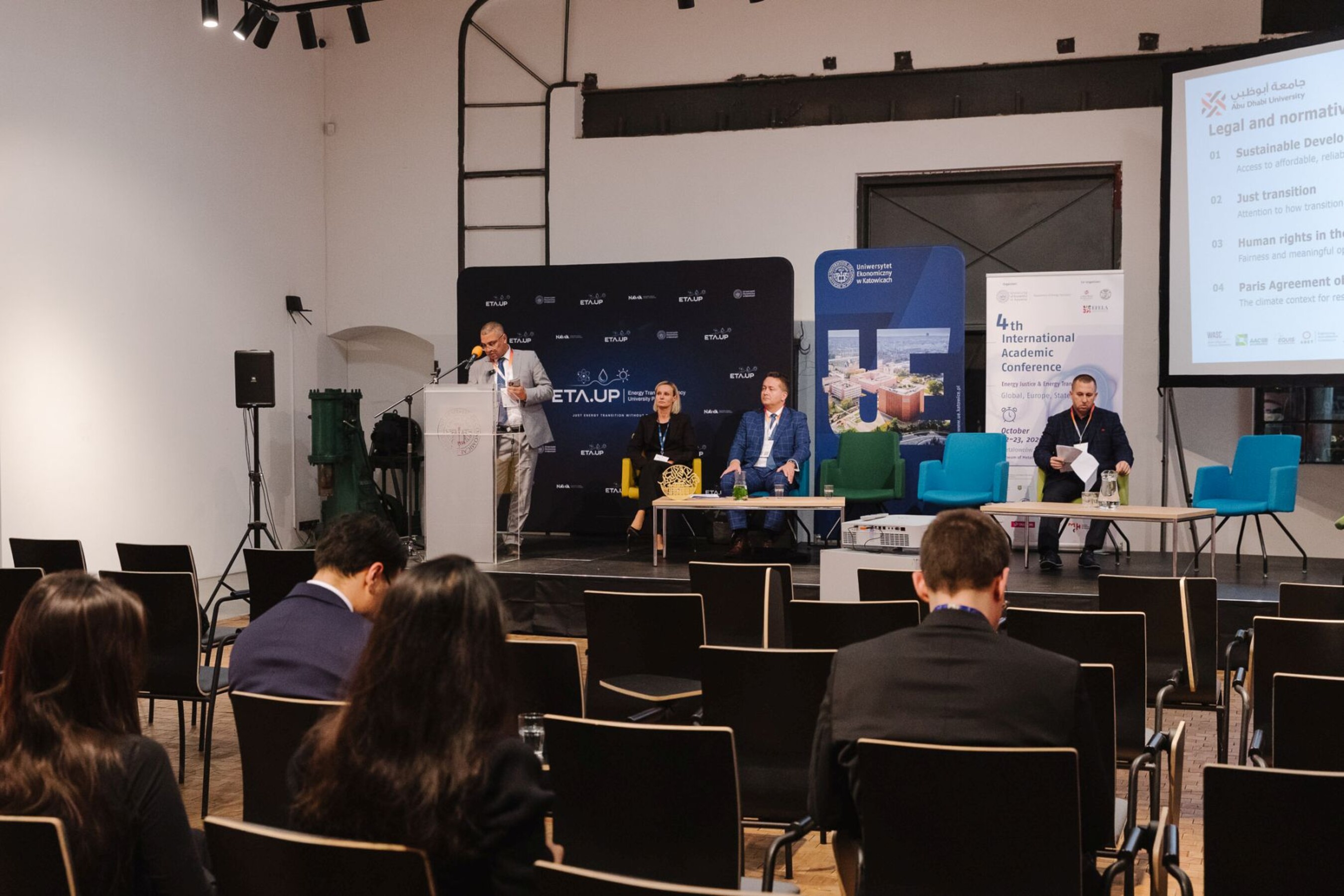
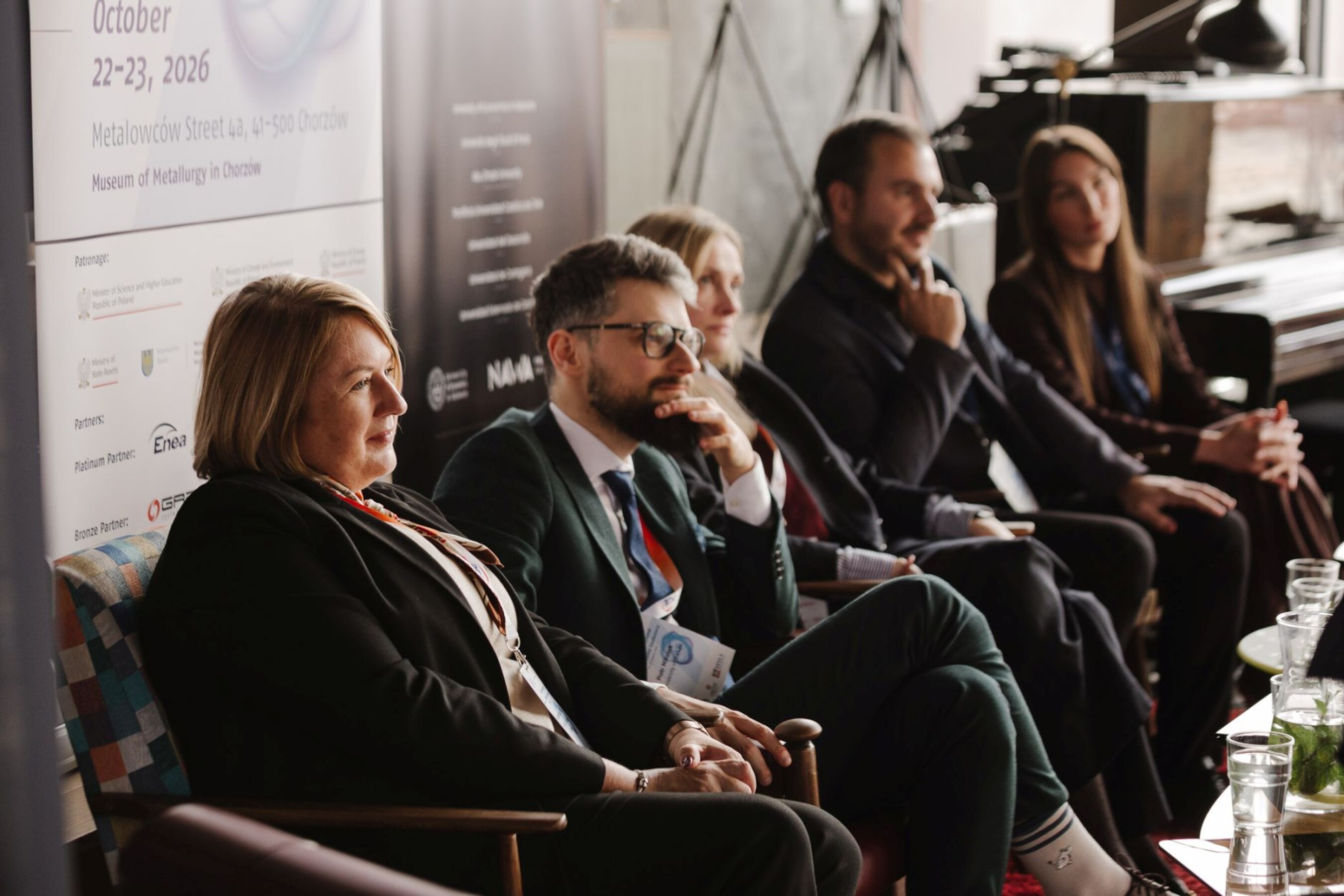
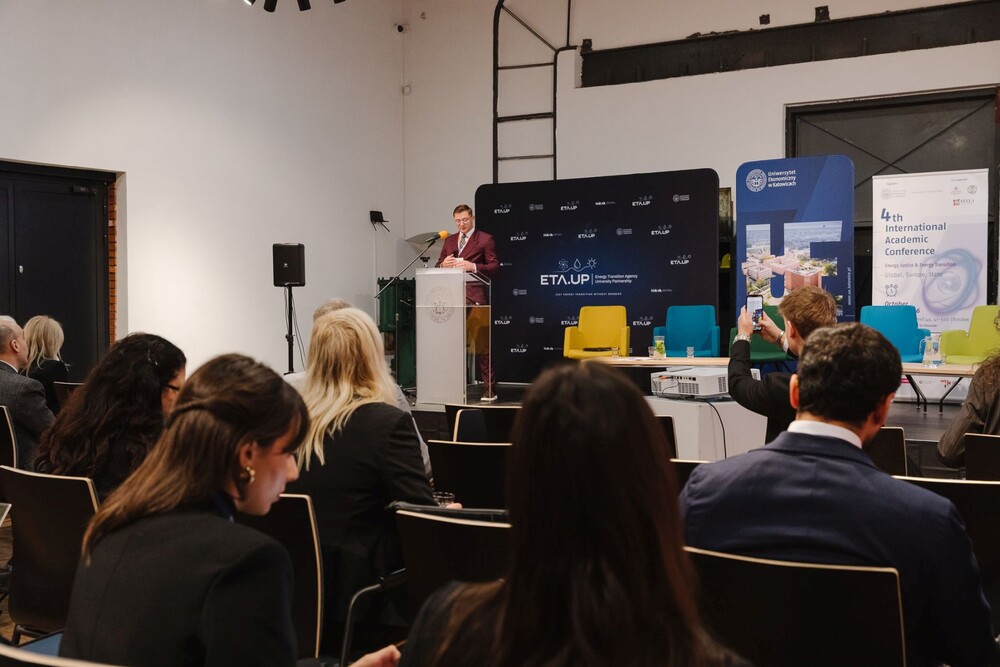
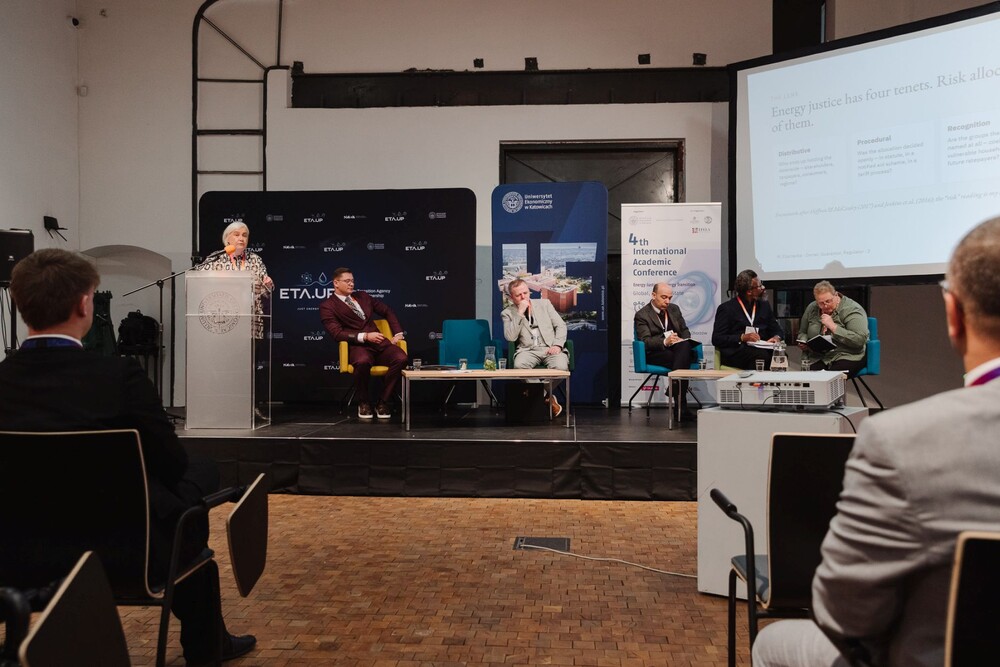
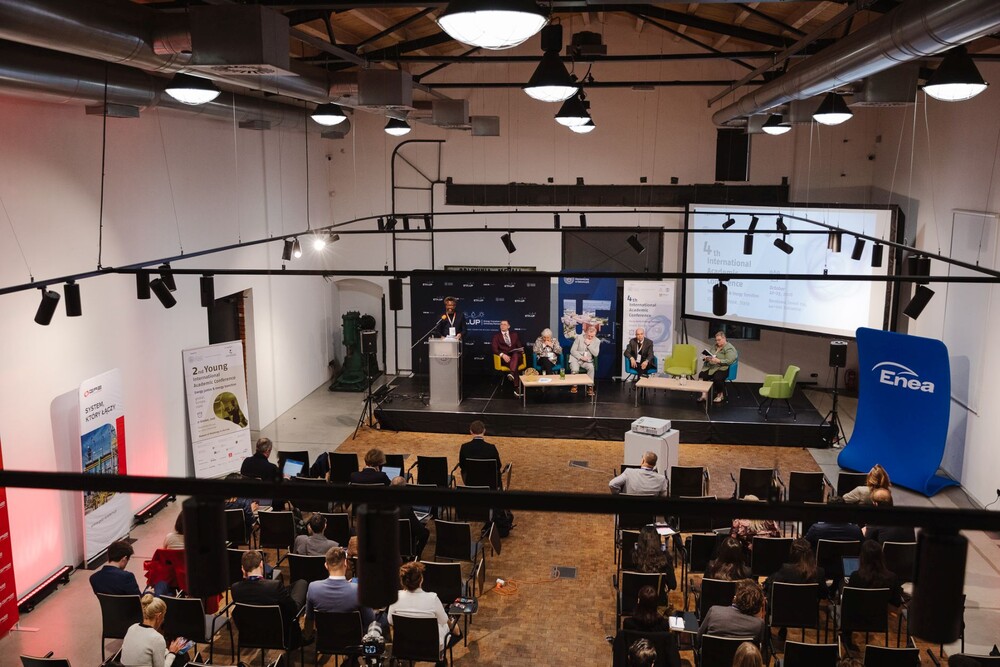
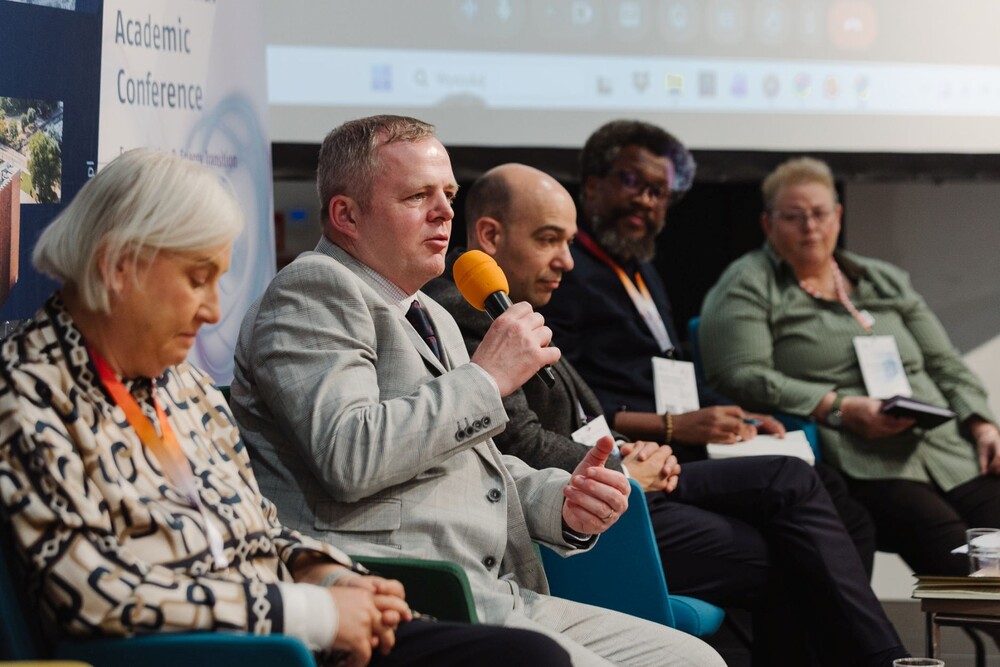
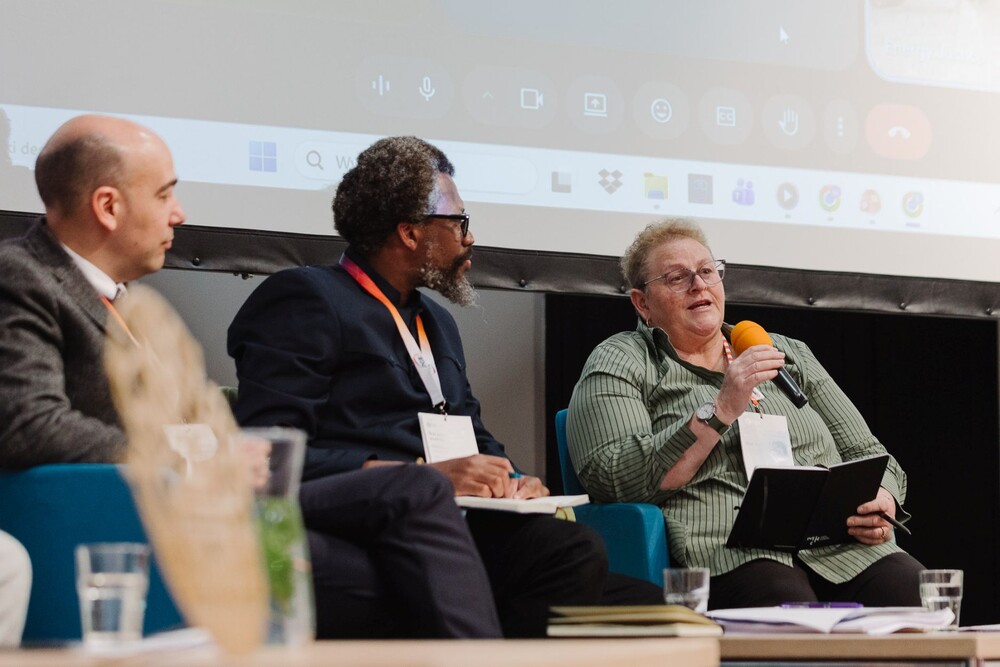
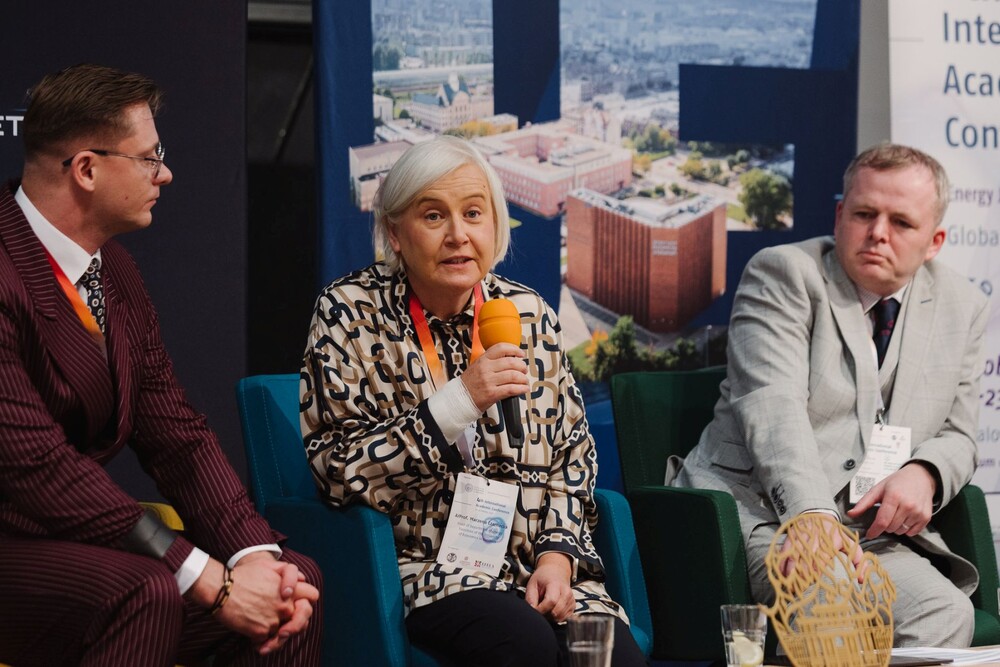
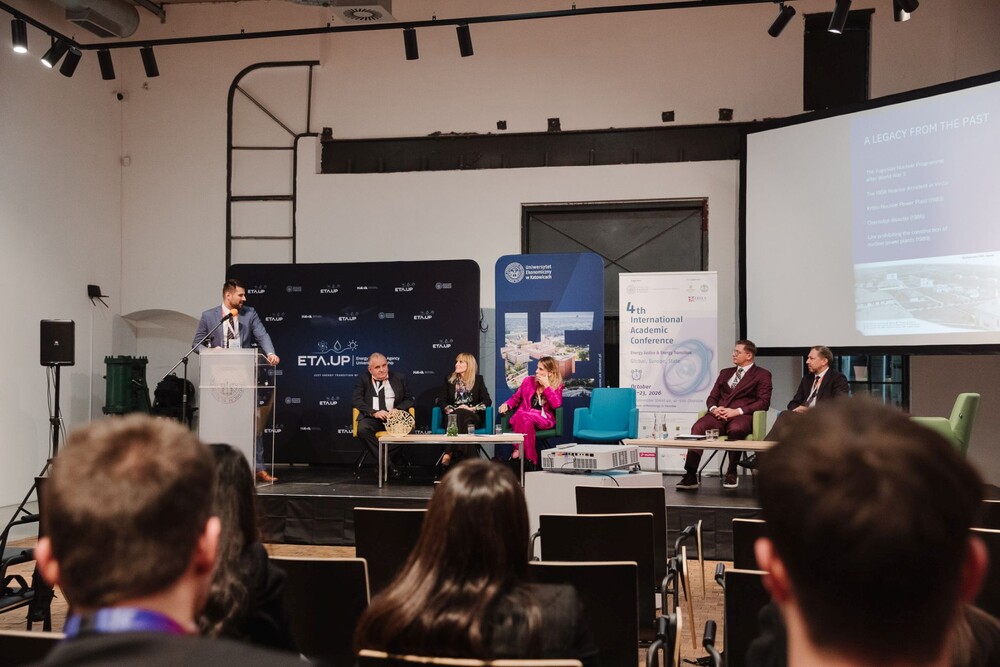
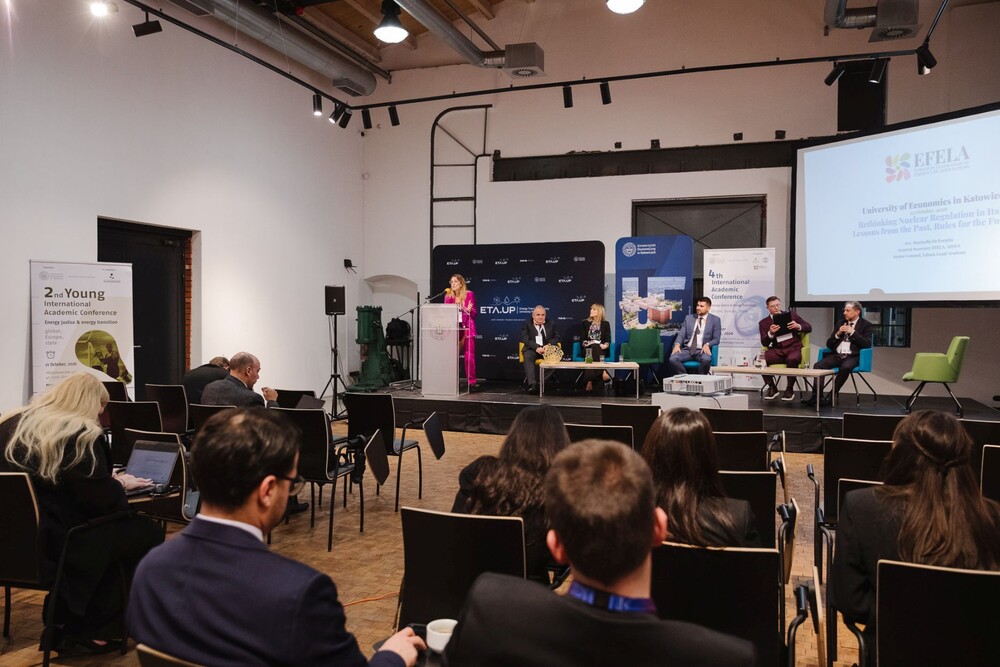
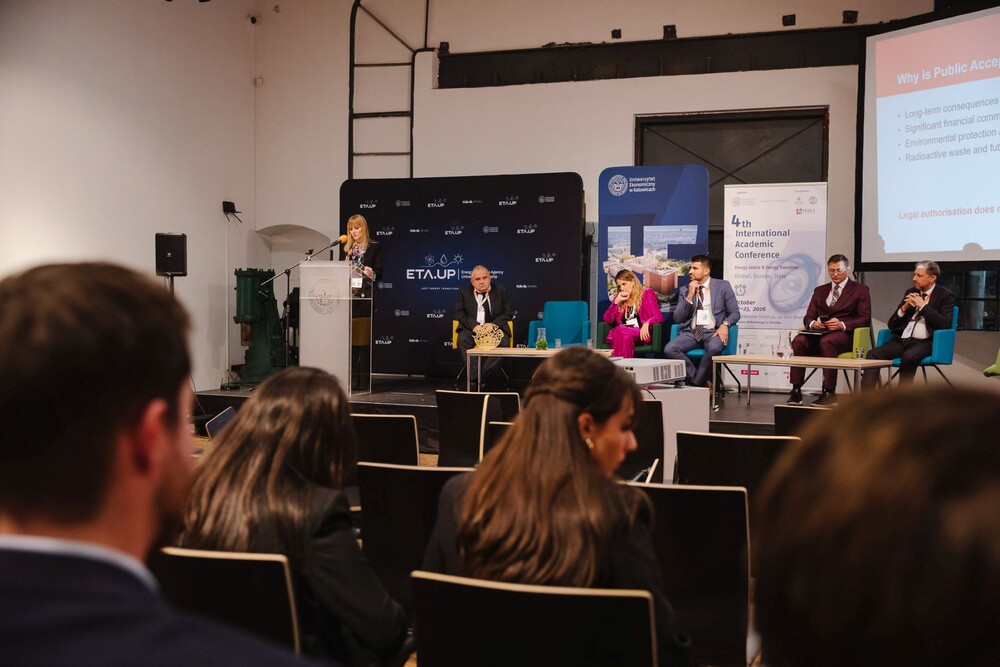
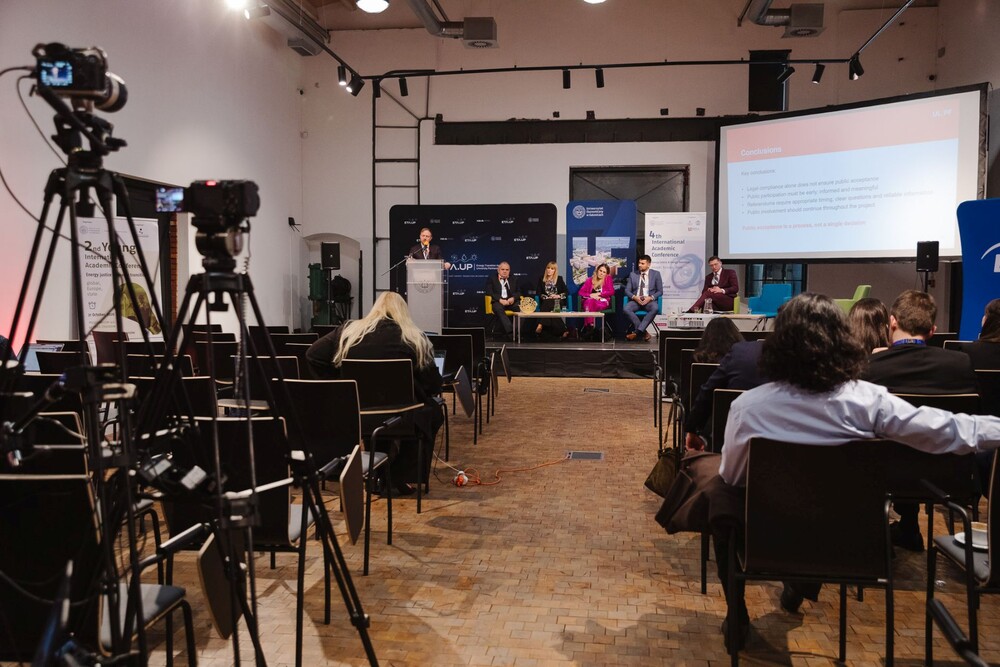
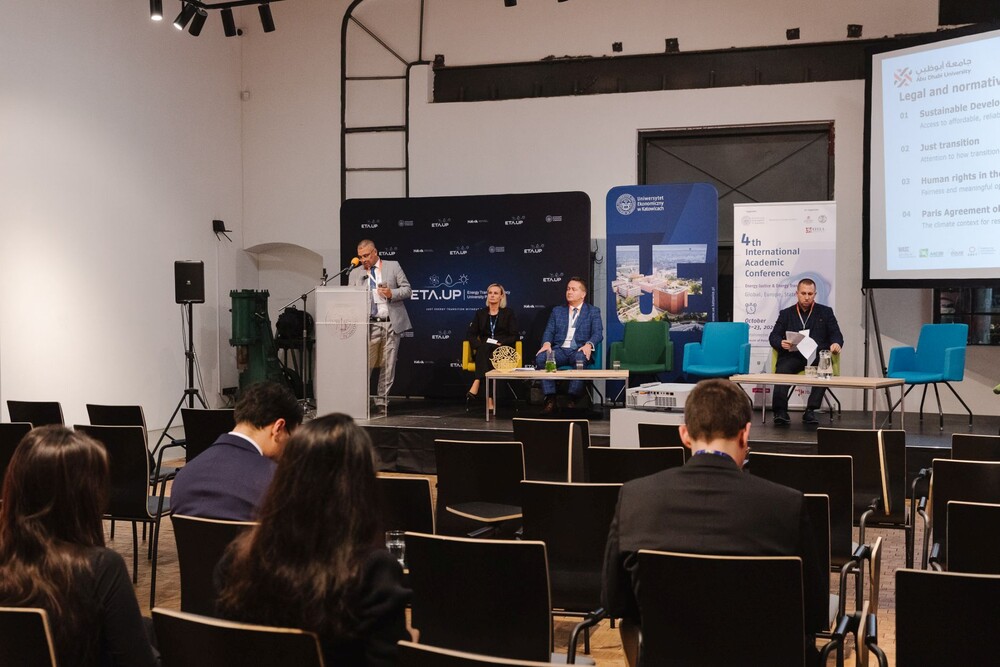
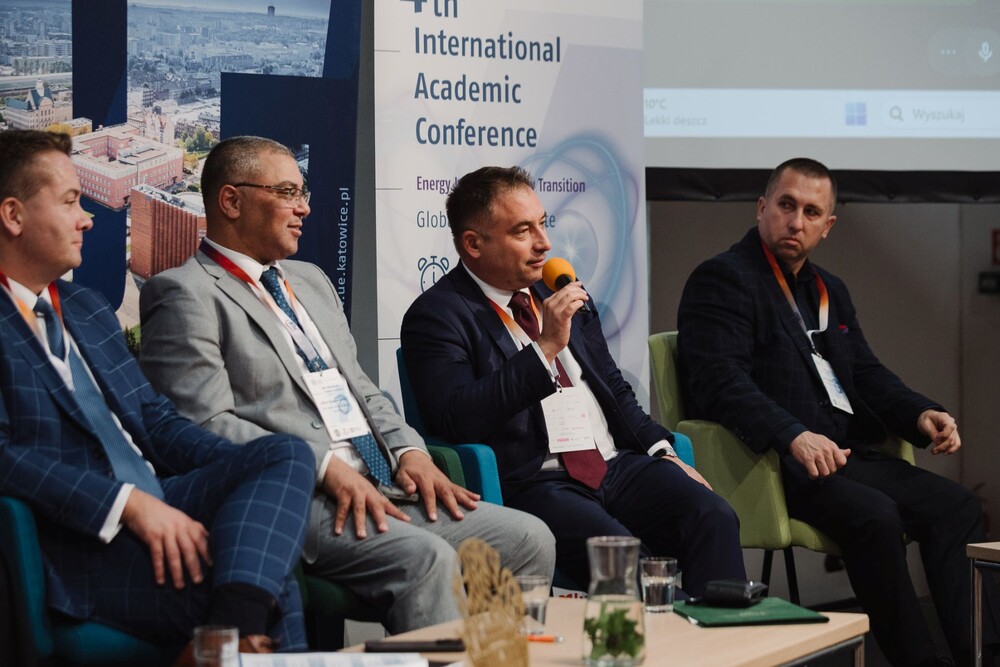
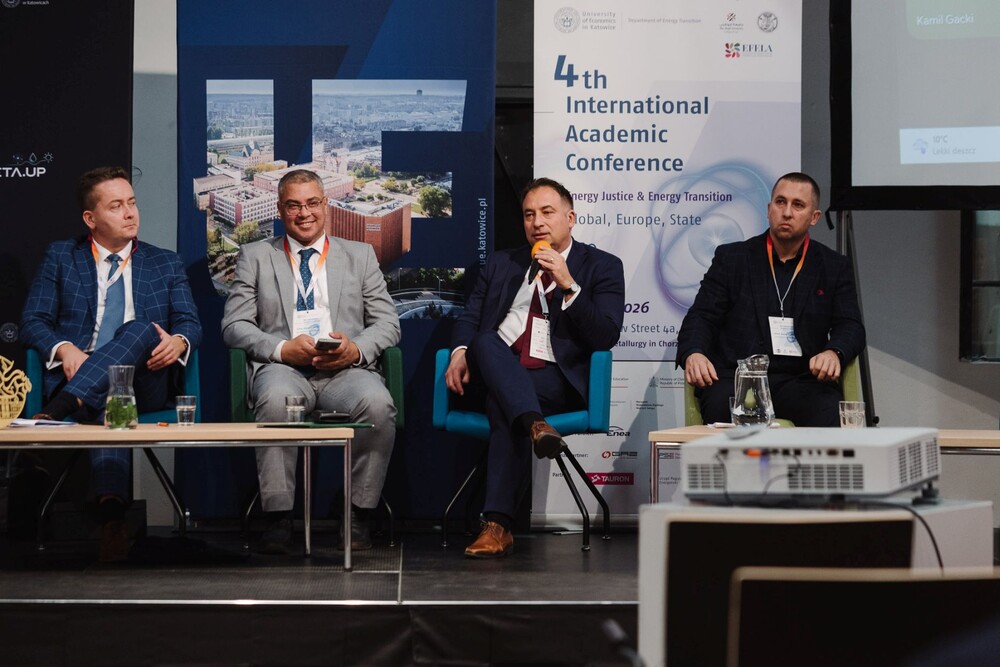
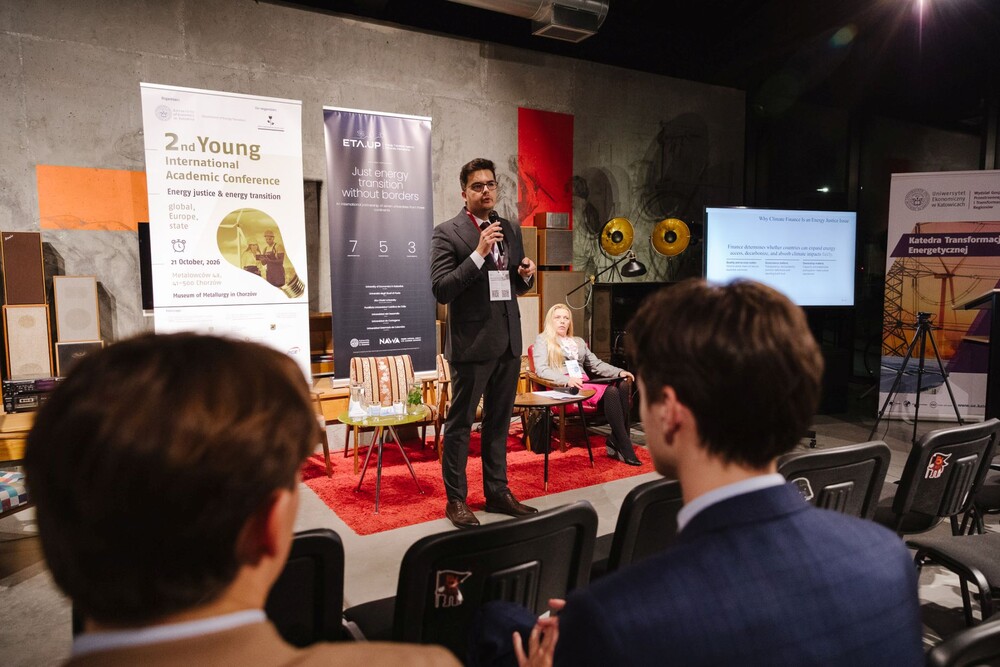
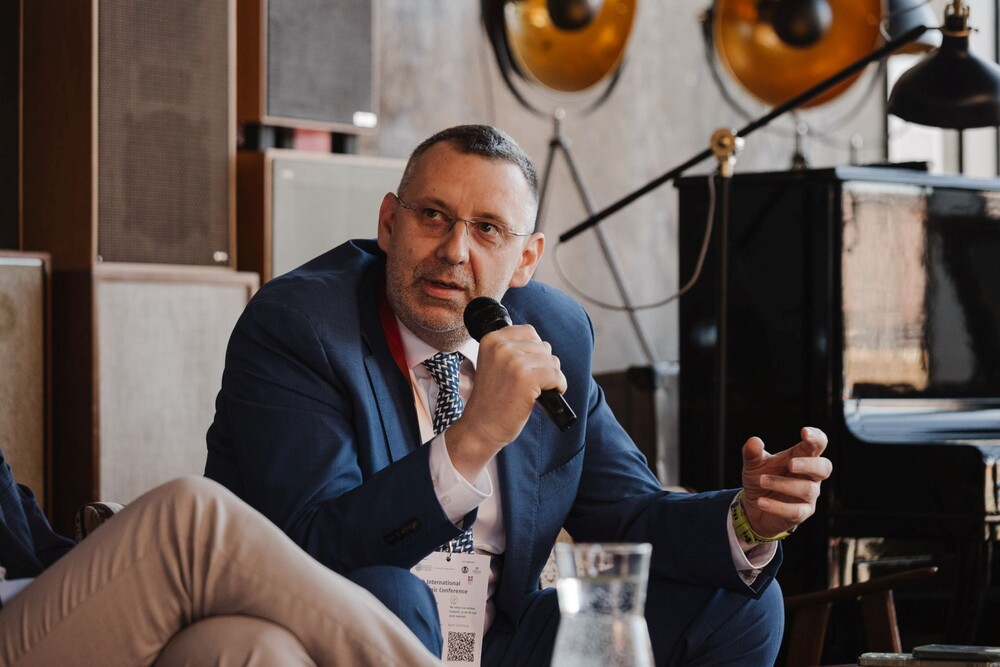
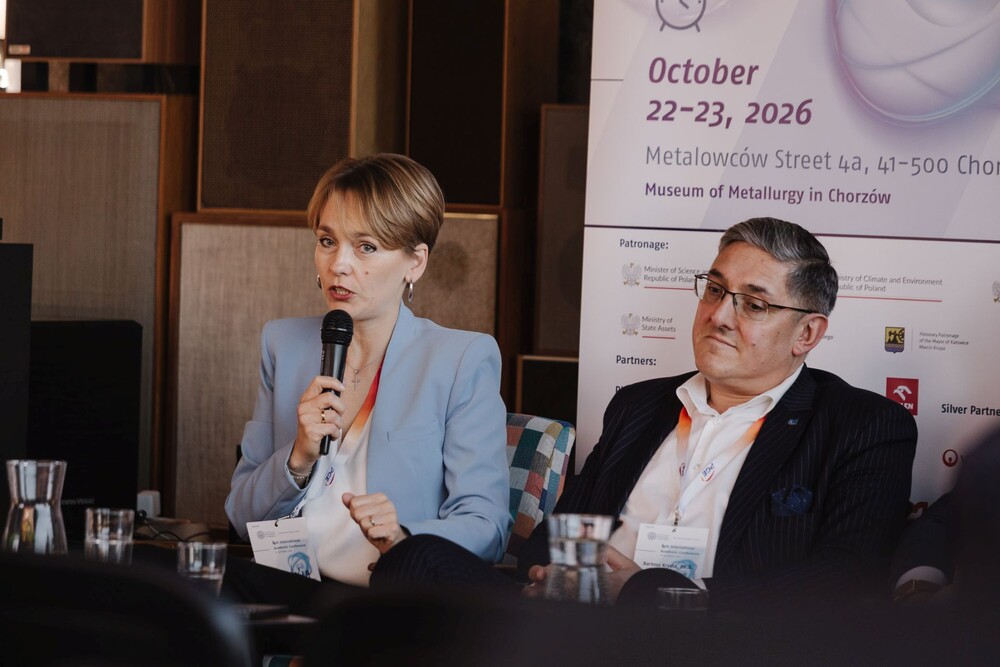
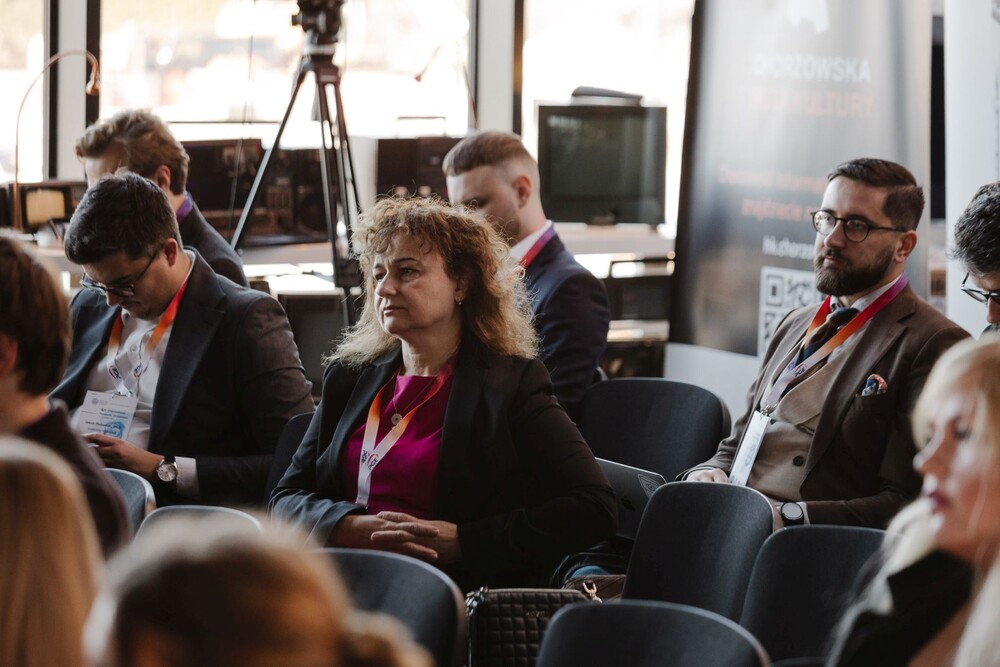
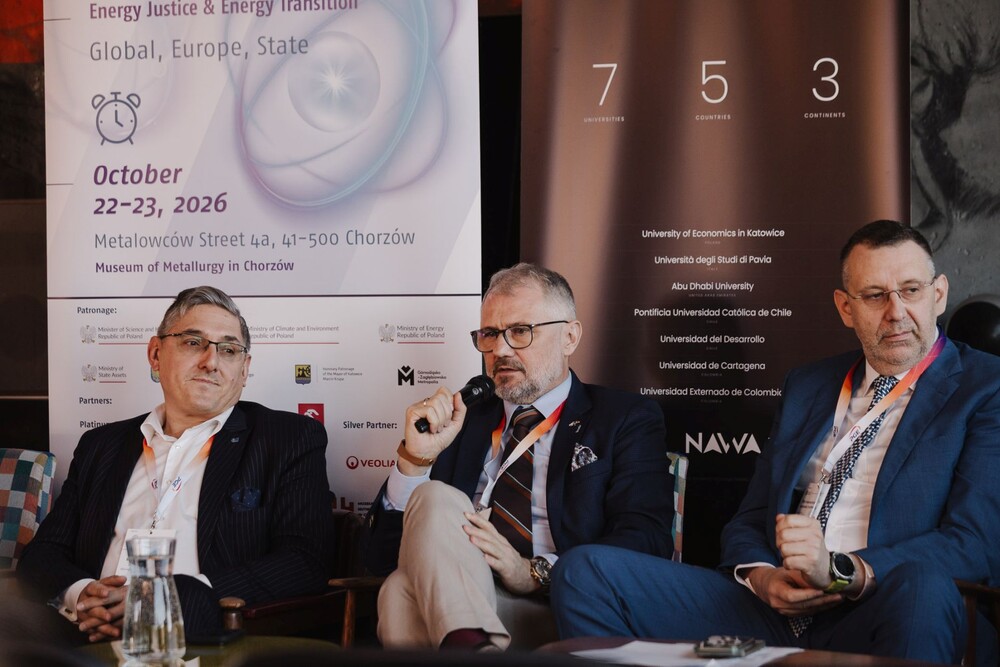
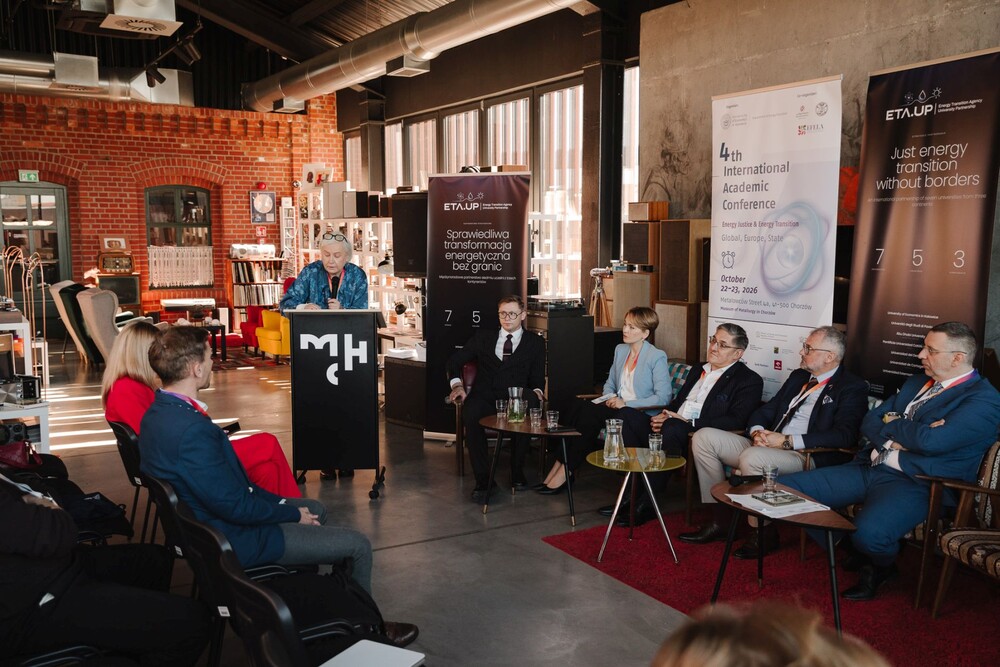
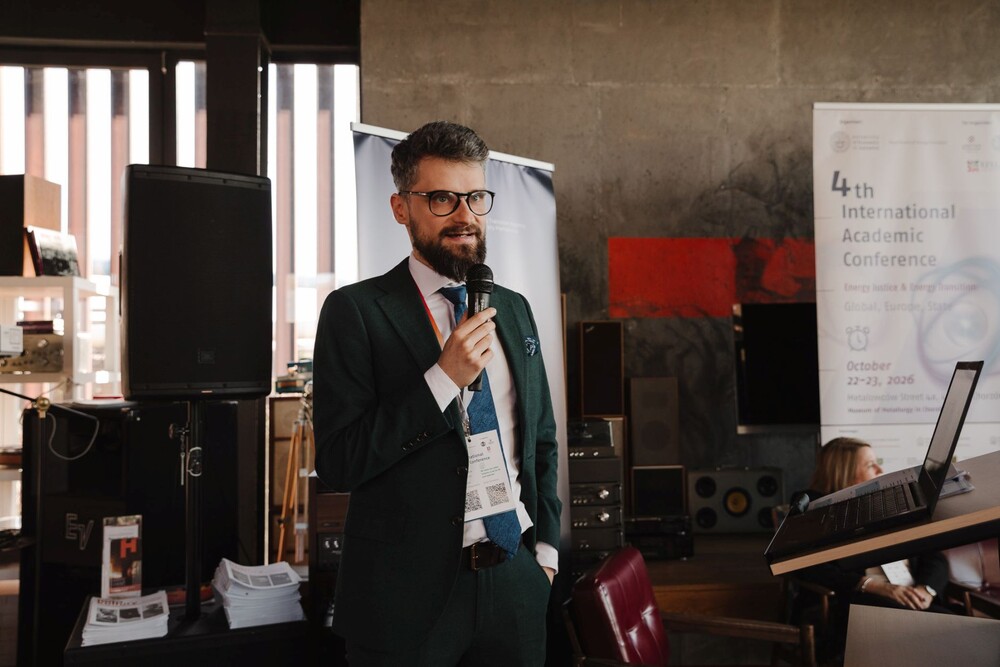
Over 60 speakers, more than 20 countries and six continents – the 4th International Academic Conference “Energy Justice & Energy Transition: Global, Europe, State” brought together an international community of scholars, policymakers, legal experts and energy industry leaders in Chorzów on 22–23 October 2026. Organised by the University of Economics in Katowice, the event confirmed Silesia’s growing role as a meeting place for international debate on the future of energy.
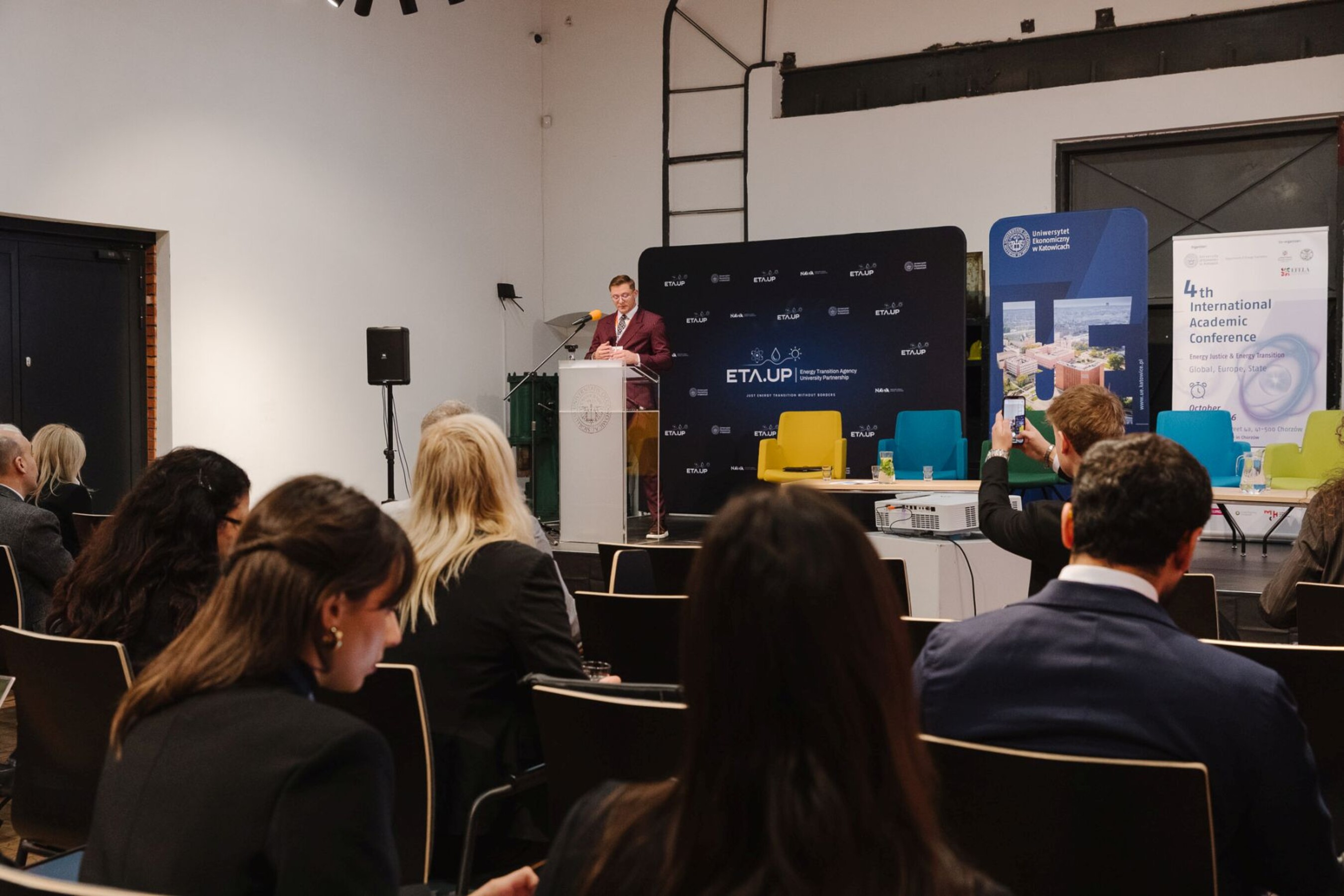
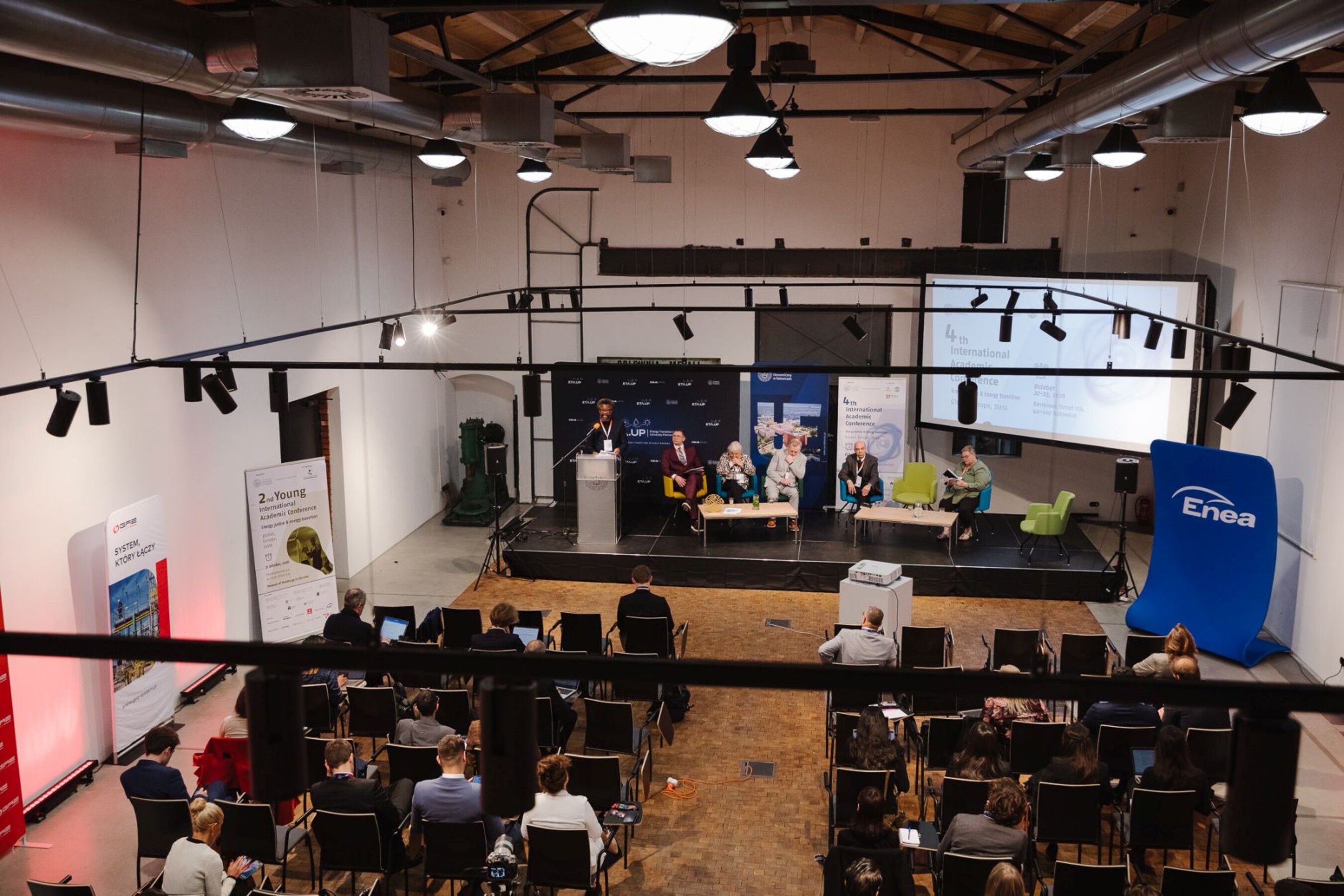
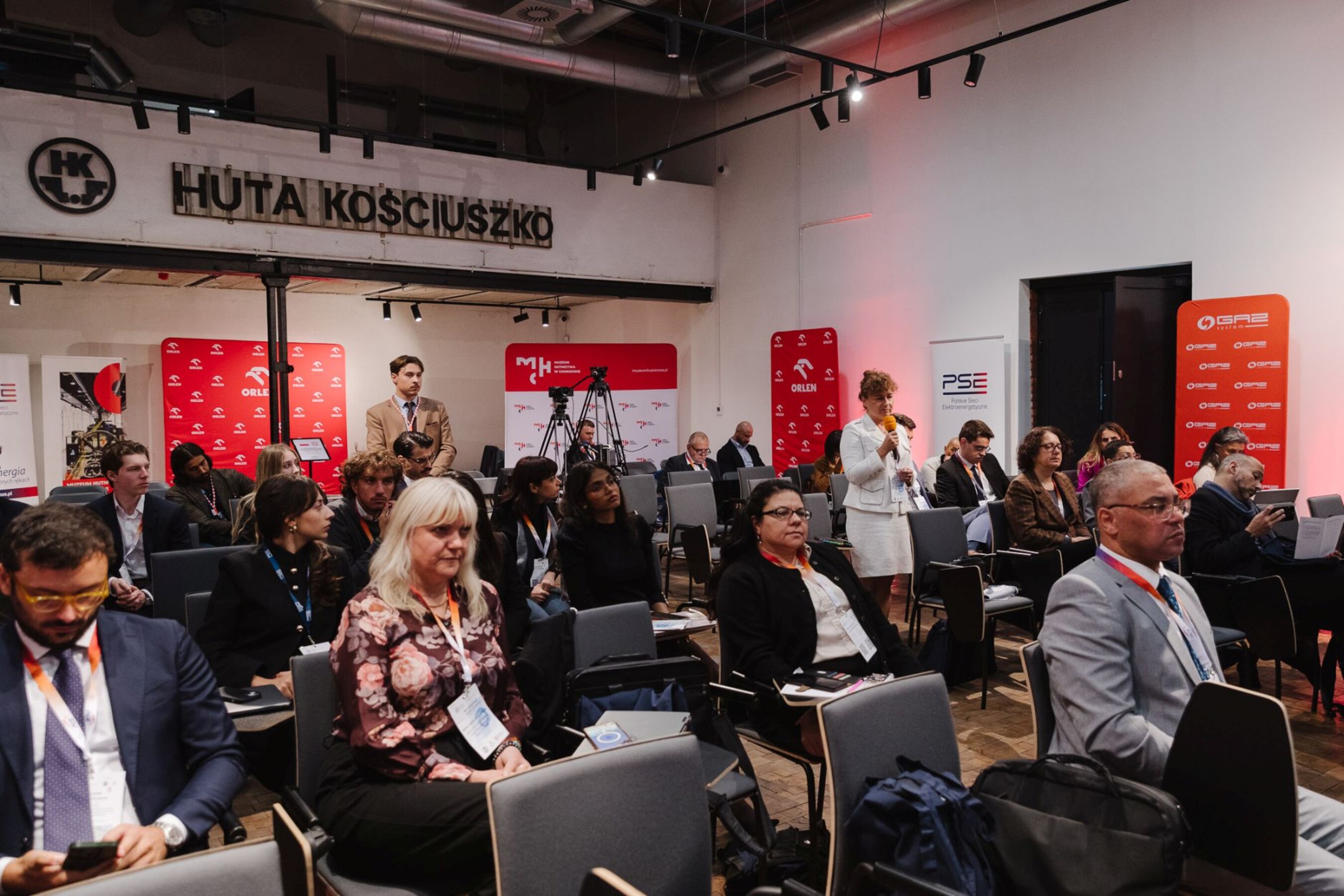
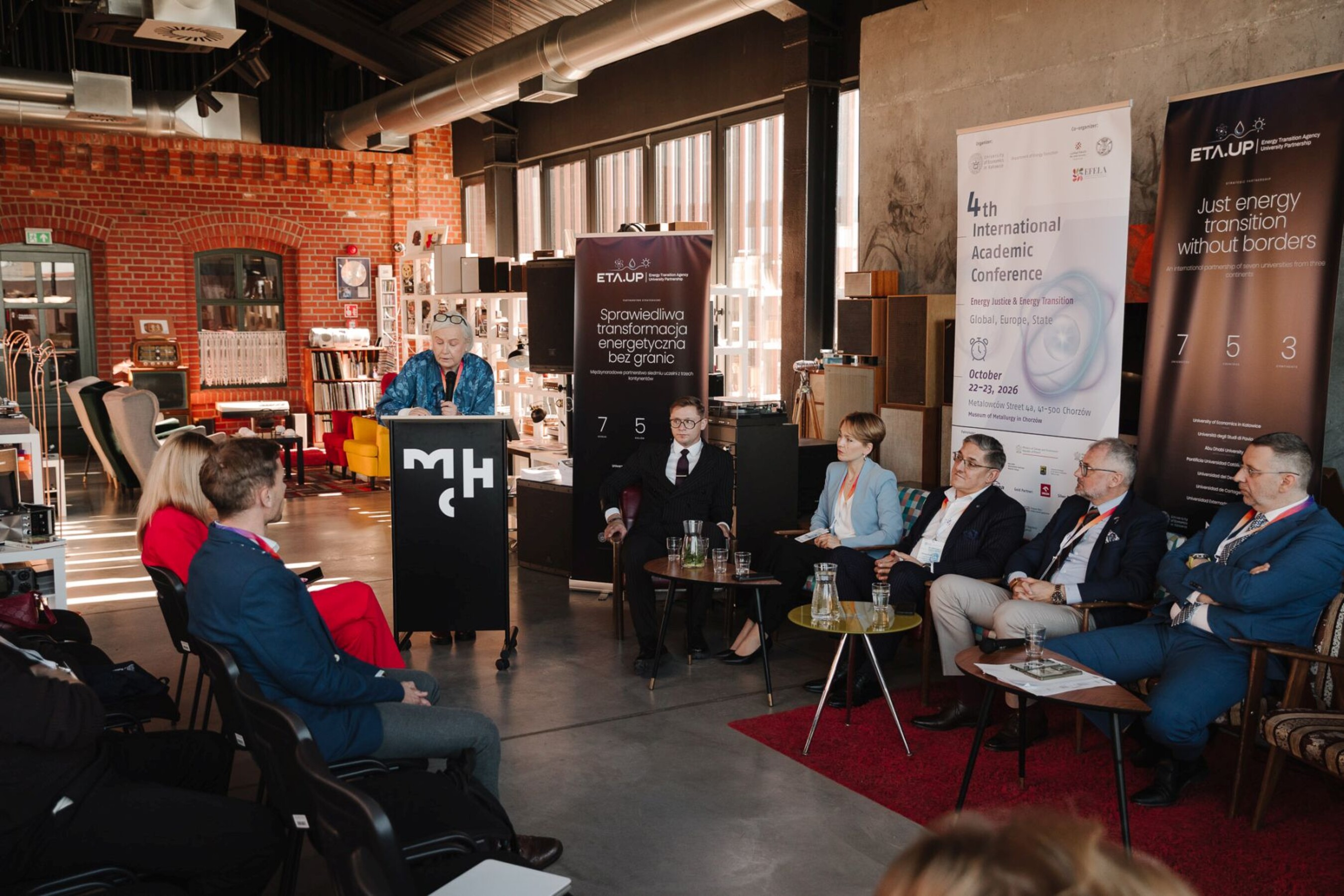
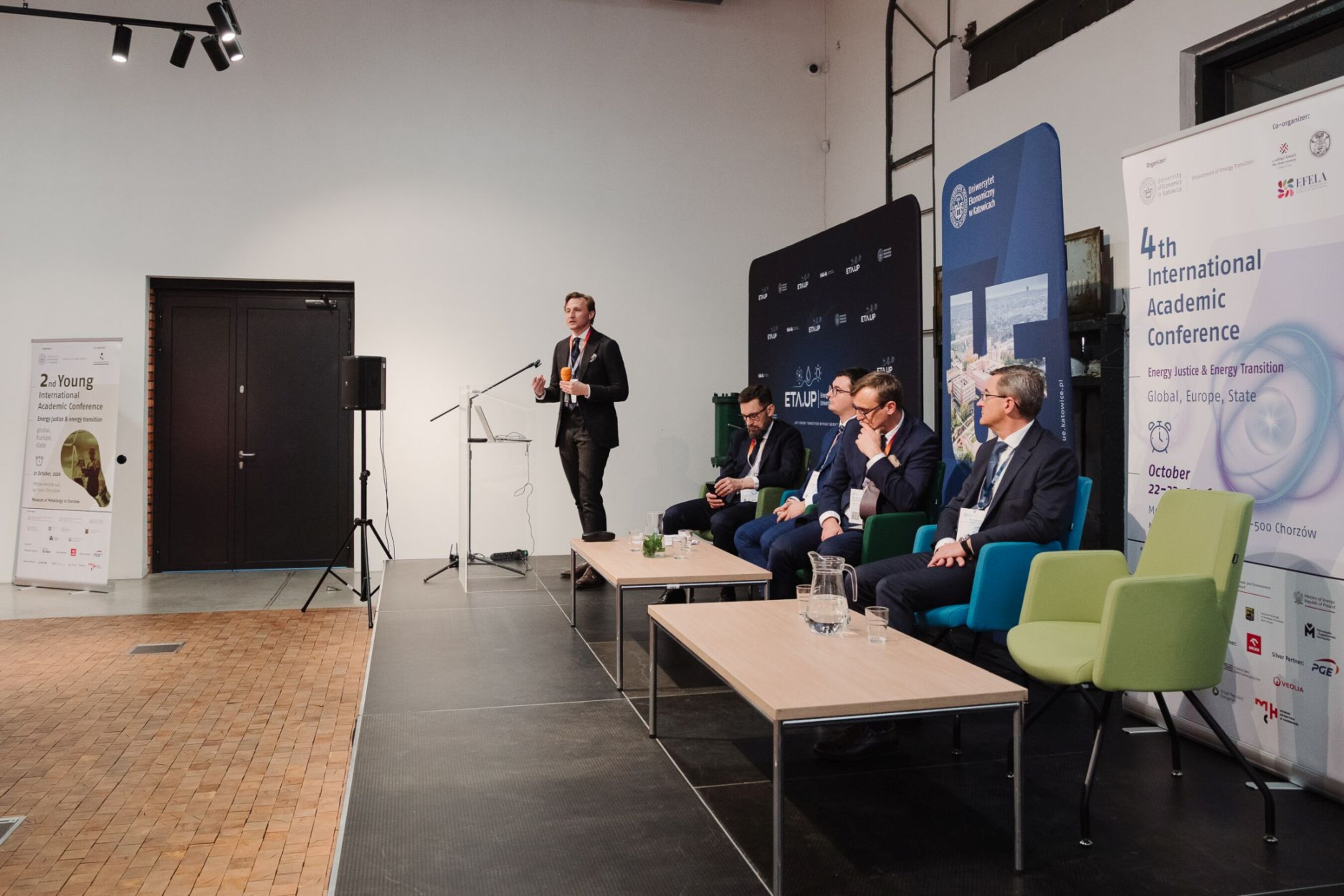
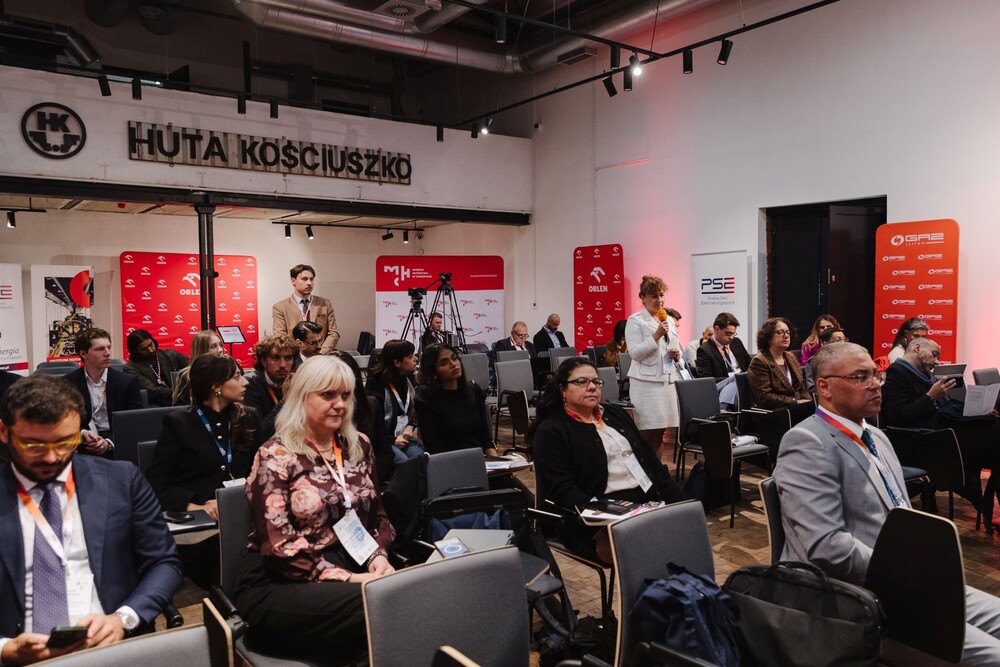
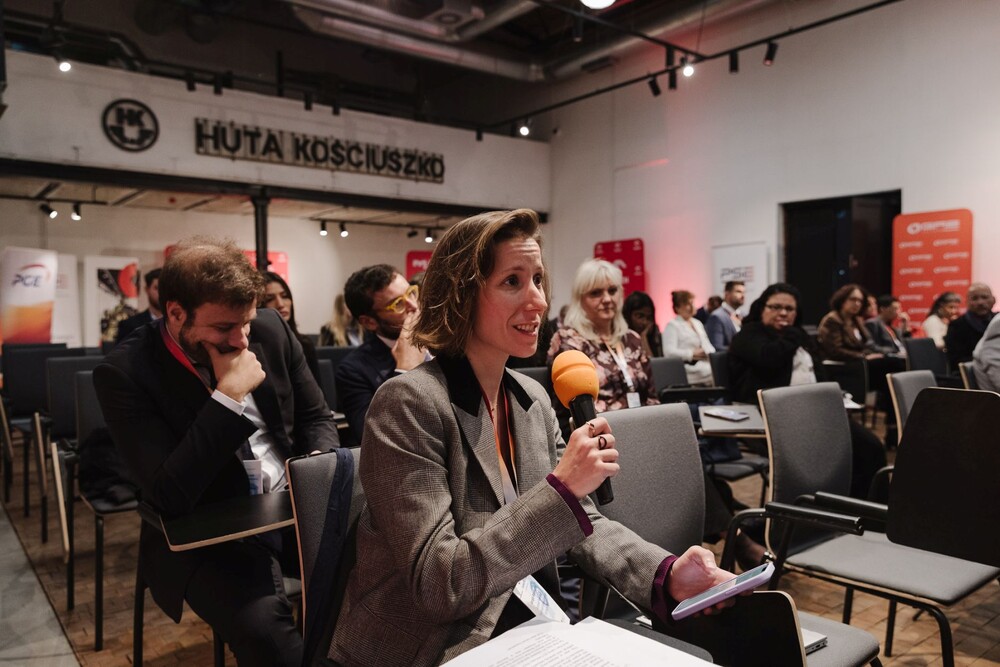
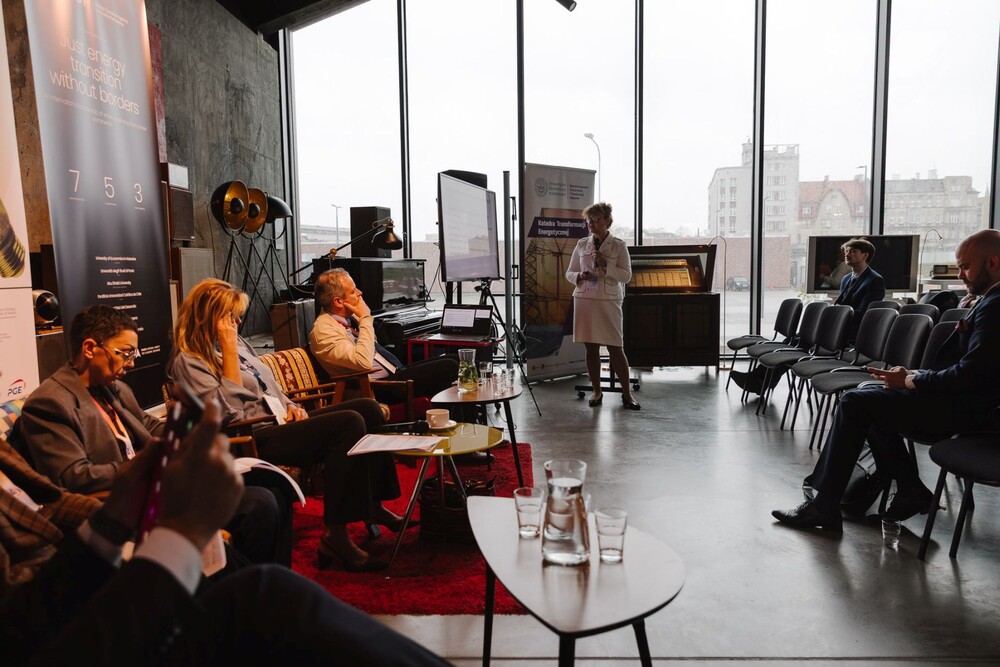
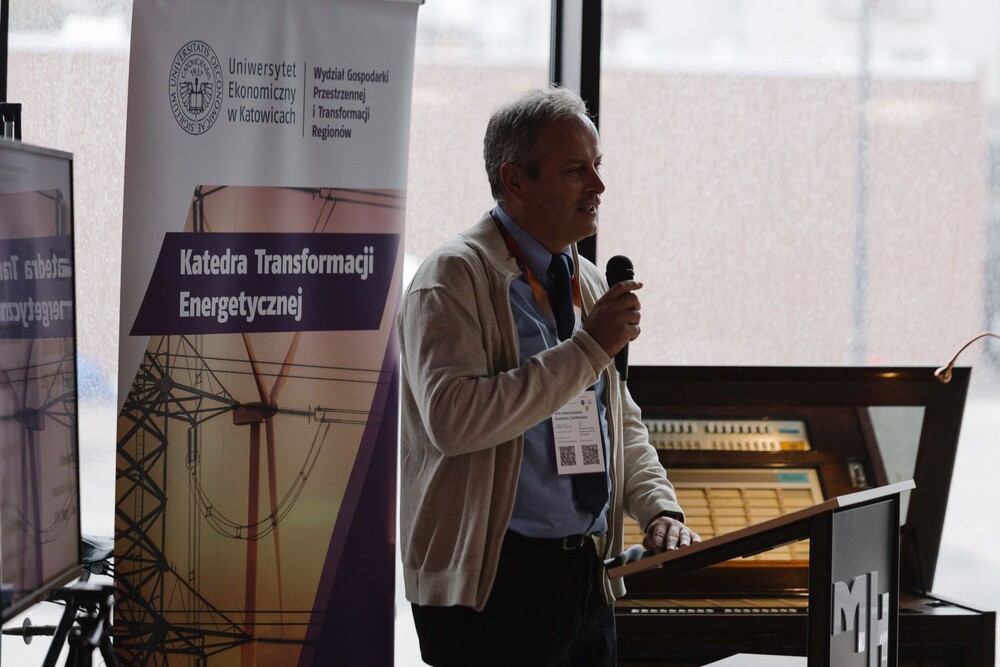
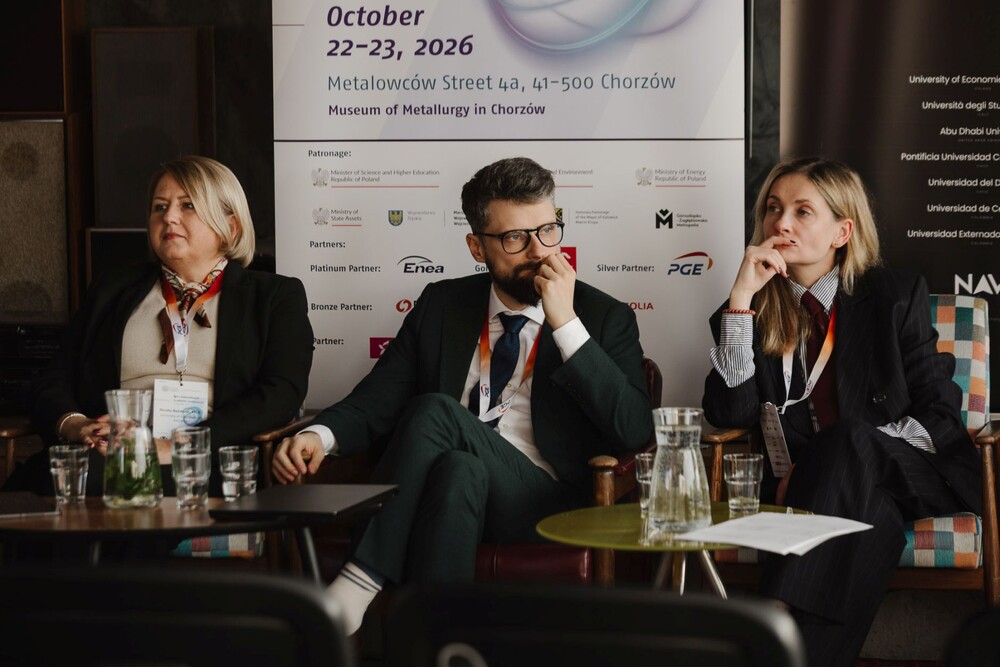
The conference took place at the Museum of Metallurgy in Chorzów, a venue symbolising the industrial heritage of Silesia and the region’s ongoing economic and energy transformation. The event was organised by the Department of Energy Transition at the University of Economics in Katowice, under the academic leadership of Professor Marzena Czarnecka, Head of the Department, and Dr Marcin Kraśniewski, Chair of the Organising Committee.
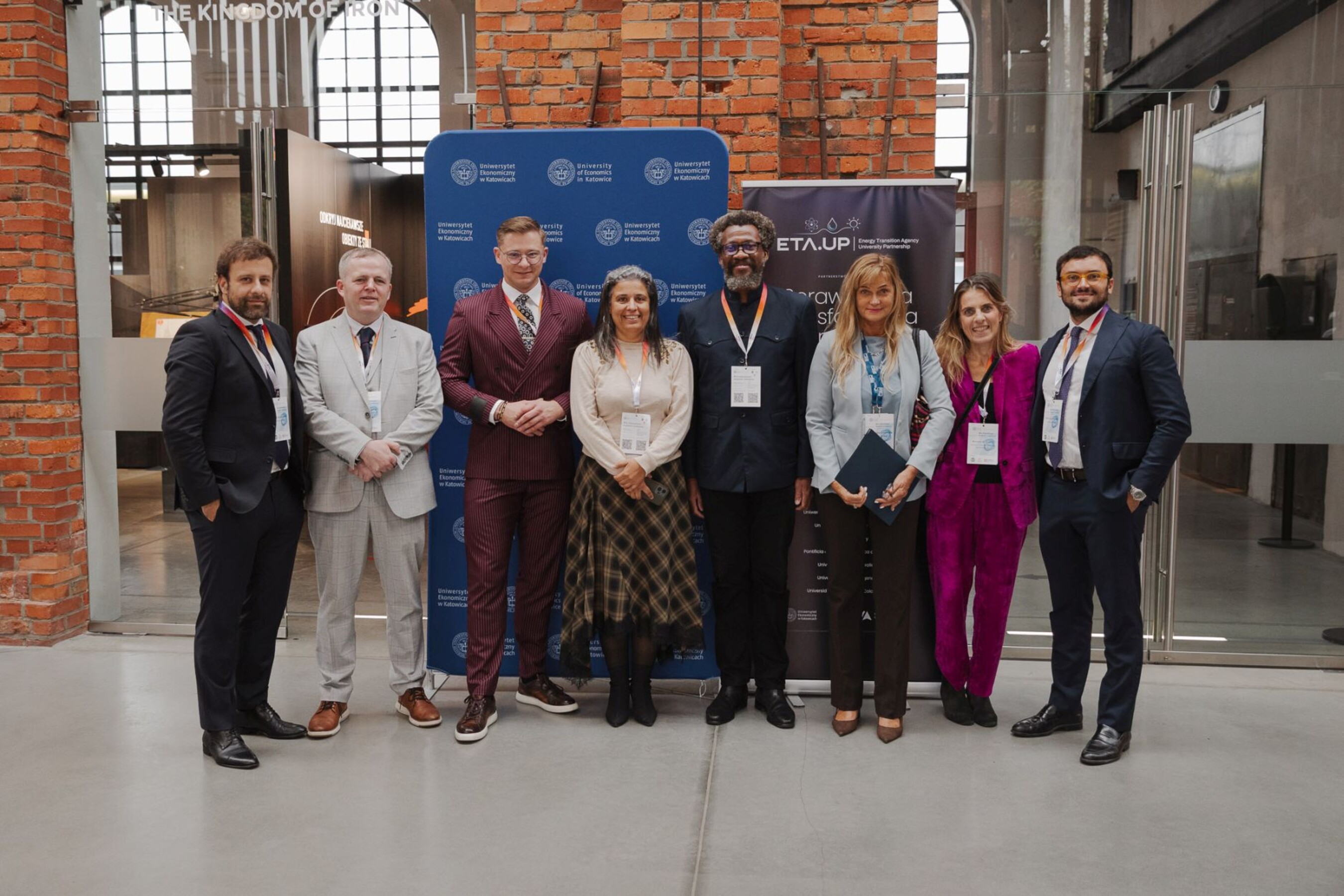
The international co-organisers were the European Federation of Energy Law Associations (EFELA), the University of Pavia (Italy) and Abu Dhabi University (United Arab Emirates). Their involvement reflected the conference’s ambition to strengthen long-term academic cooperation and create a global platform for dialogue on energy justice, energy security and sustainable development.
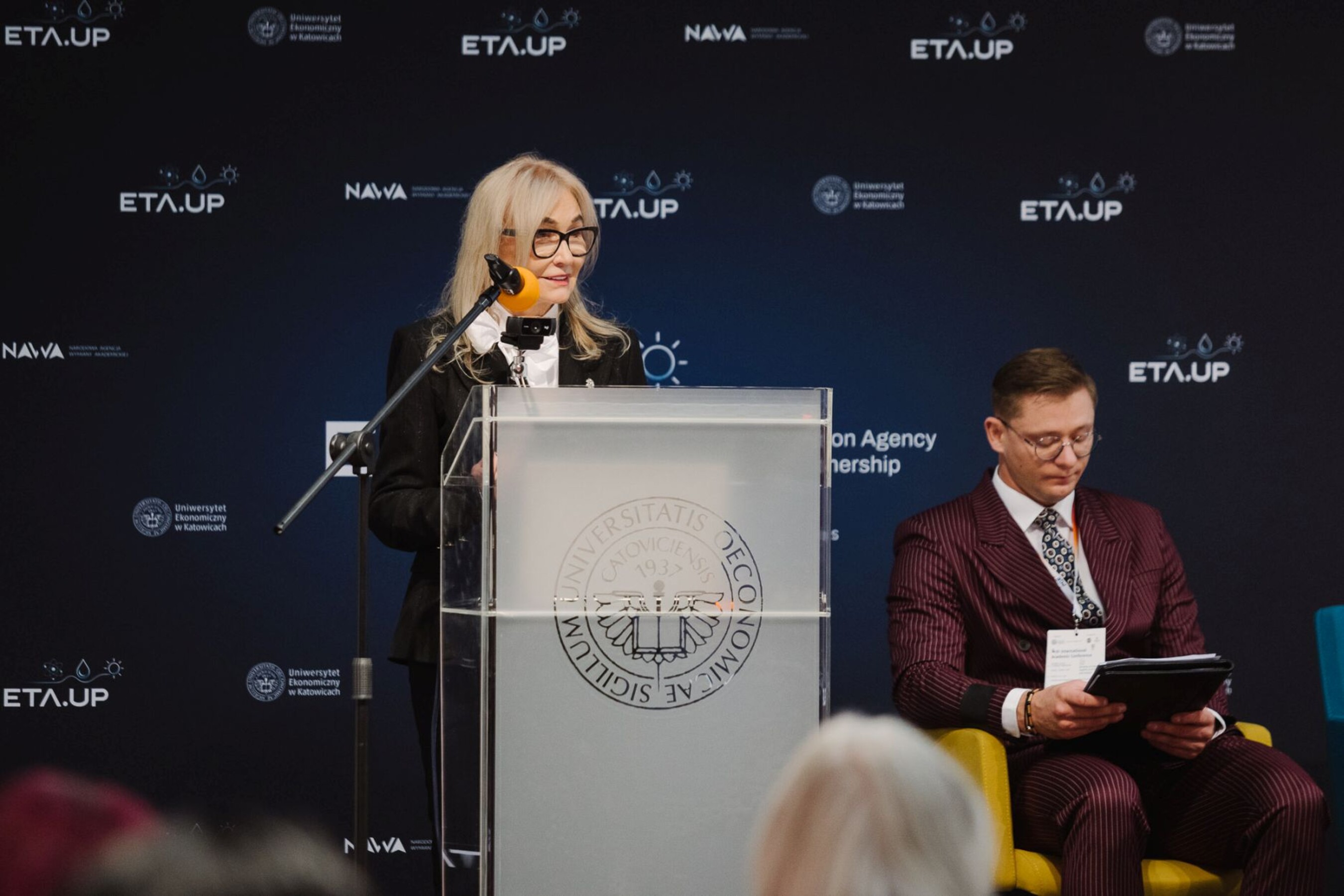
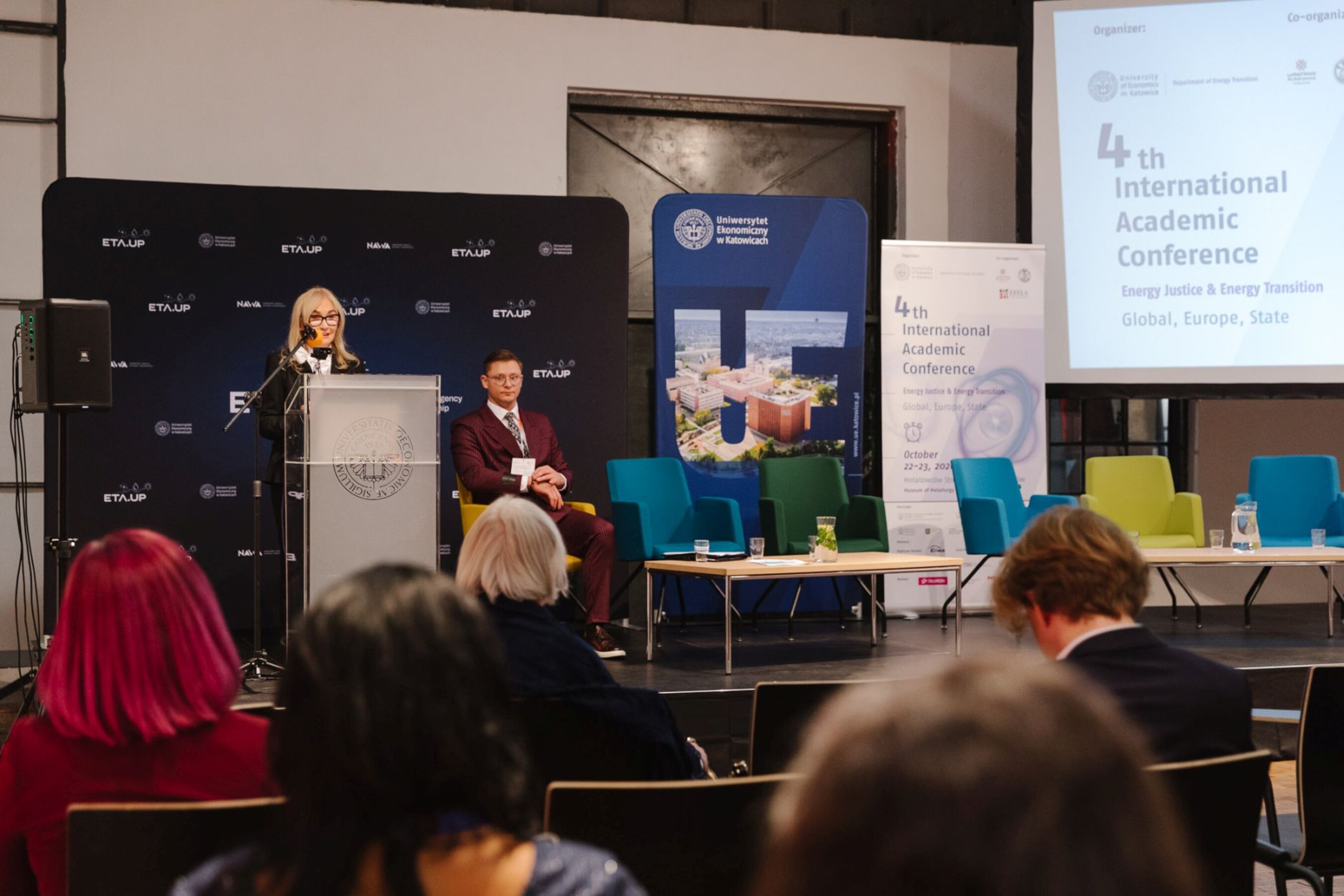
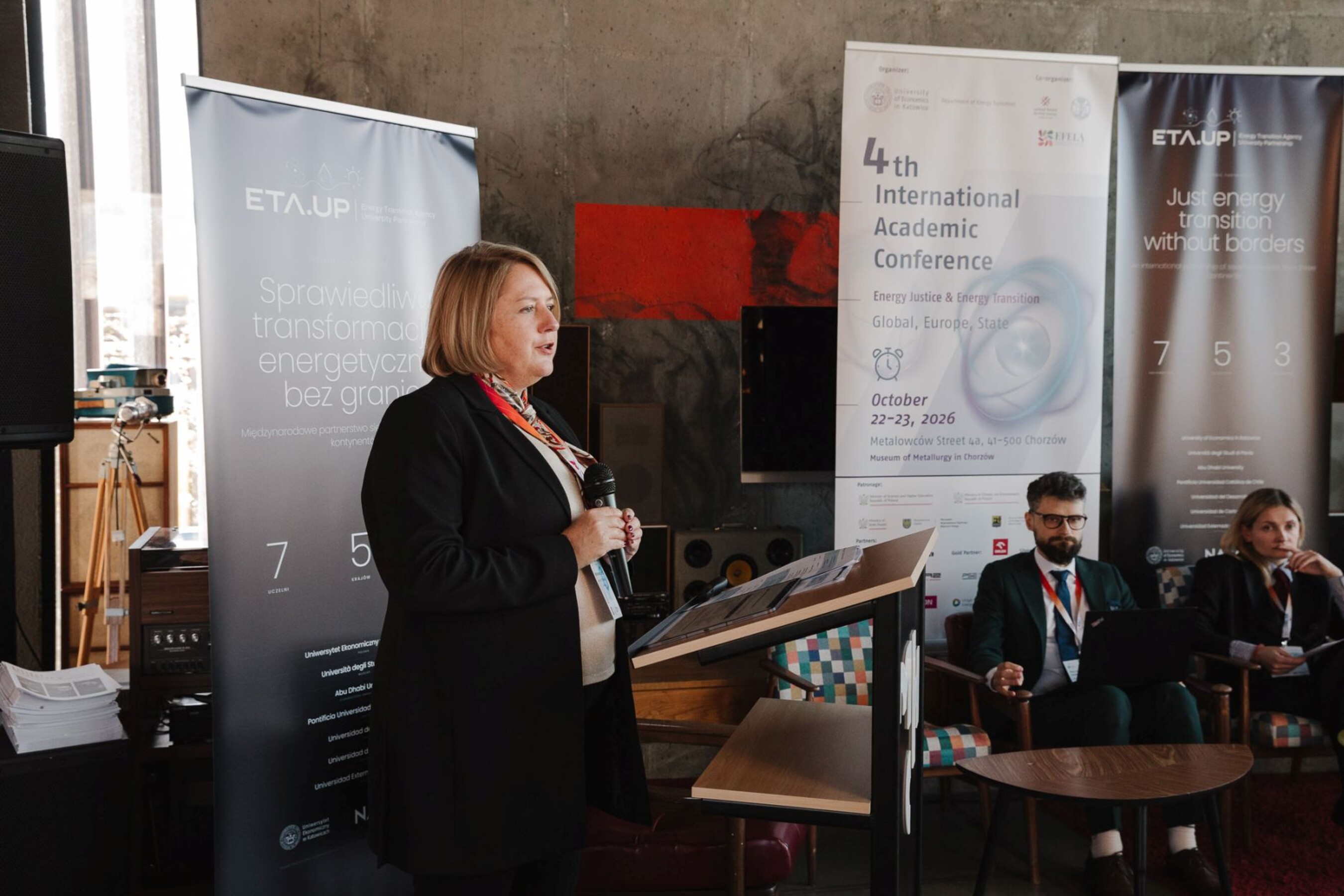
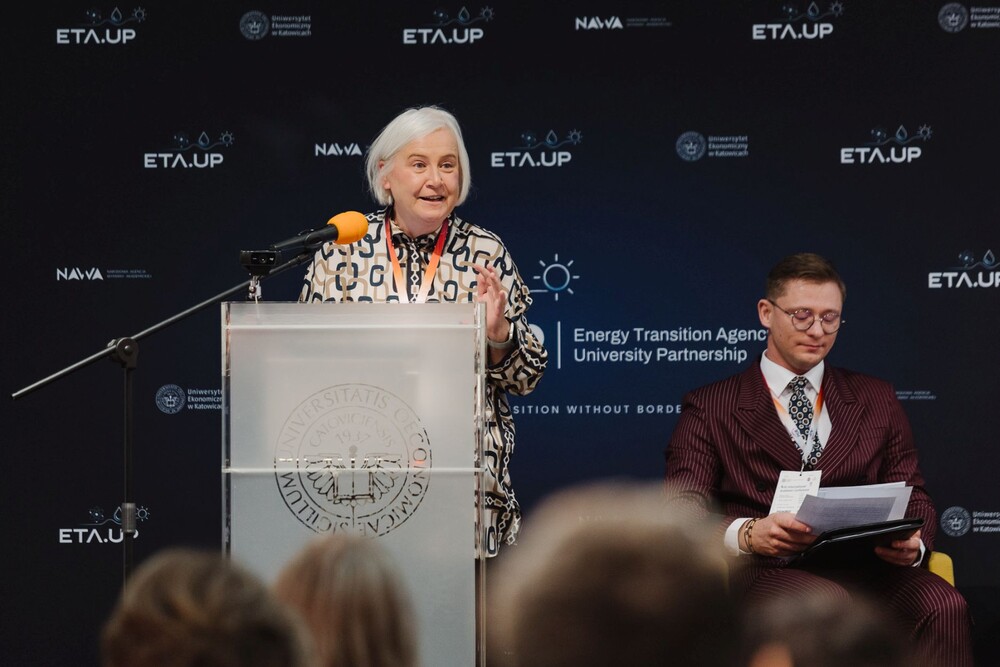
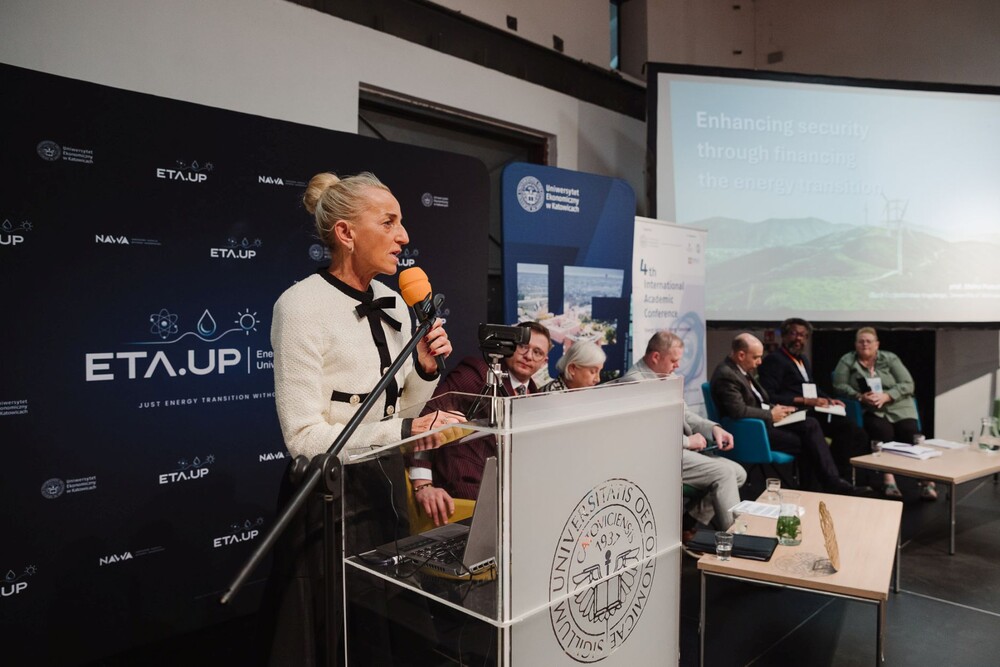
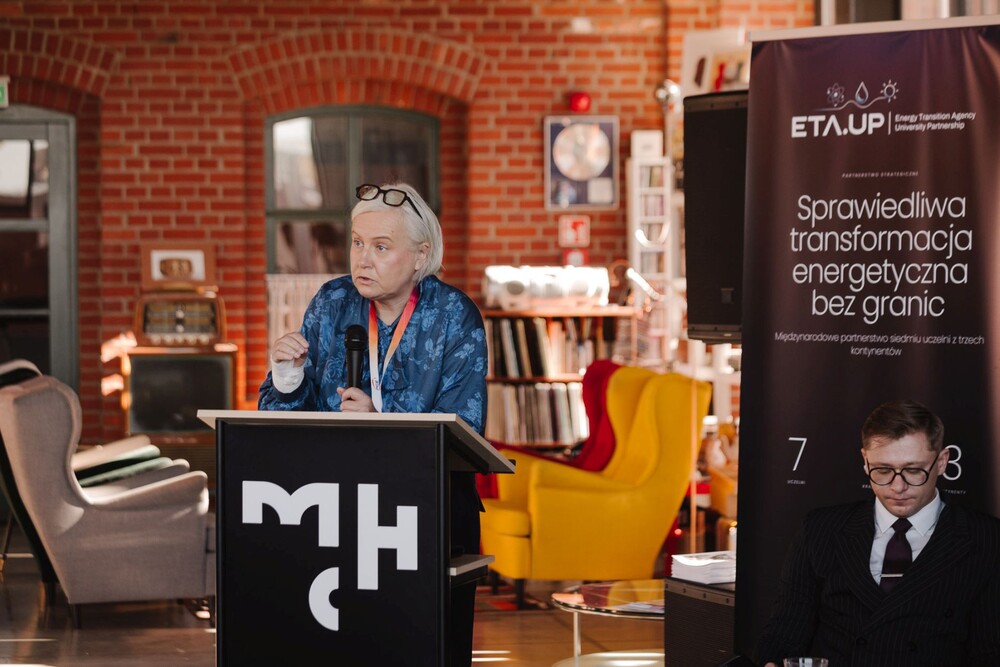
Rector Celina Olszak Opens the Conference
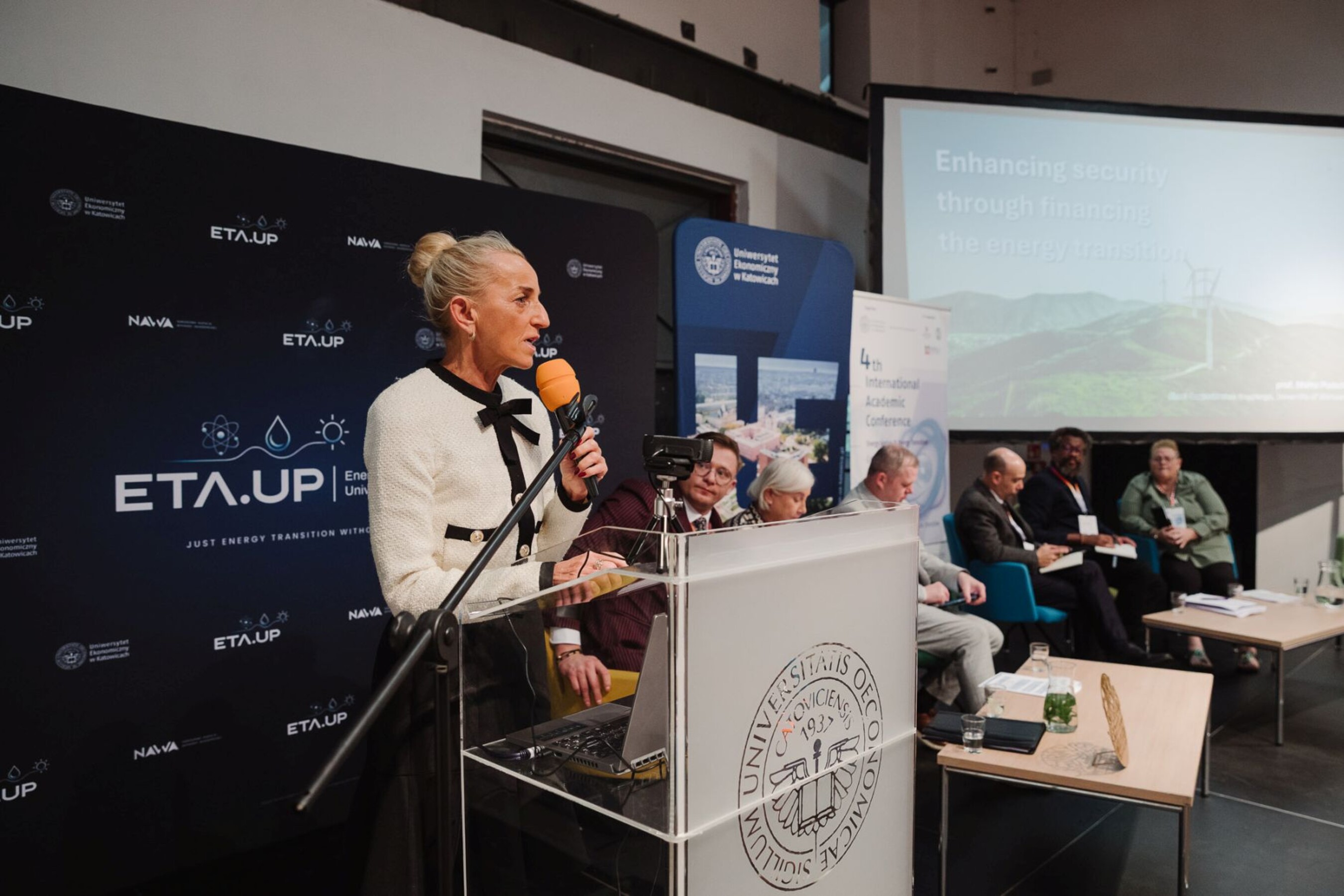
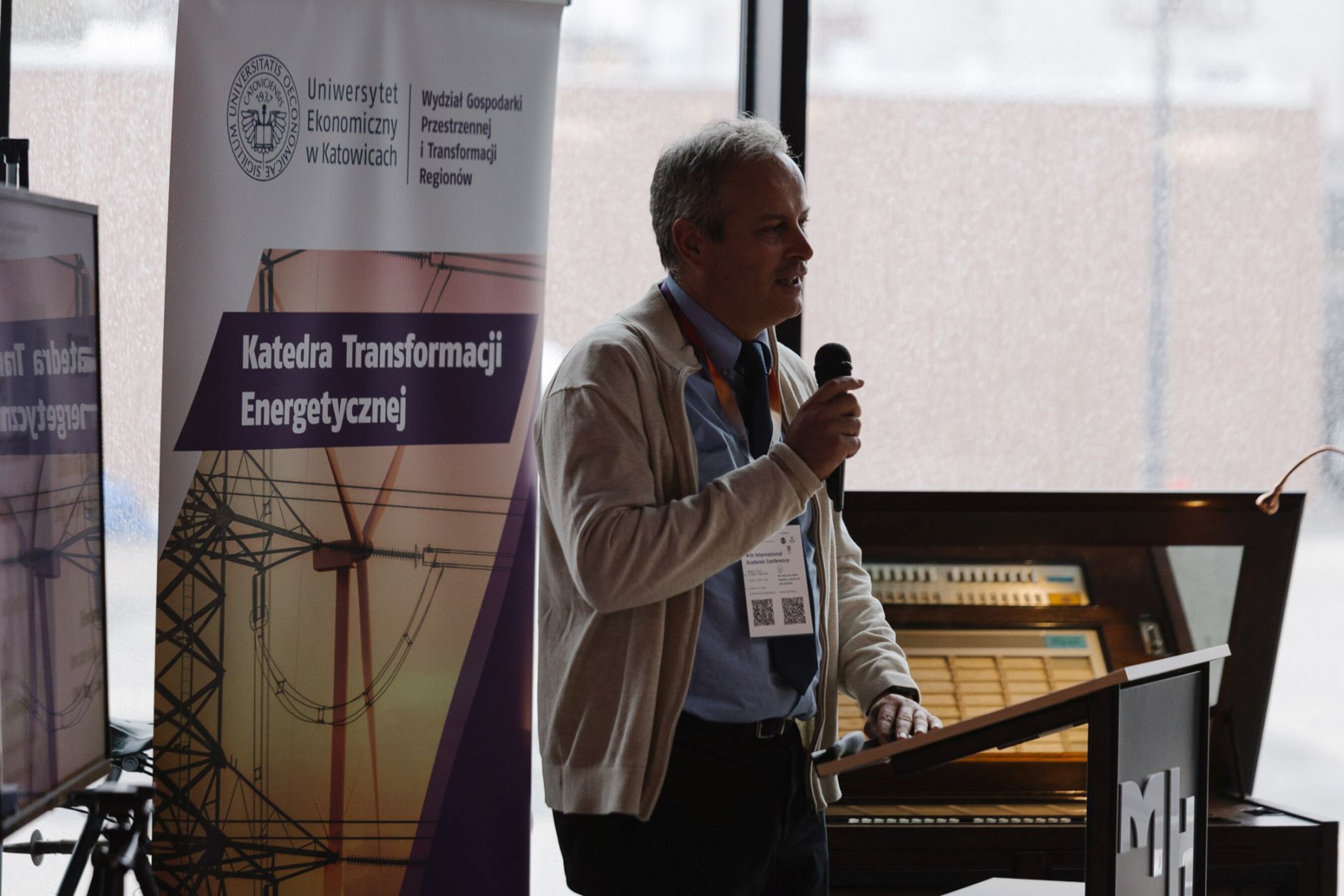
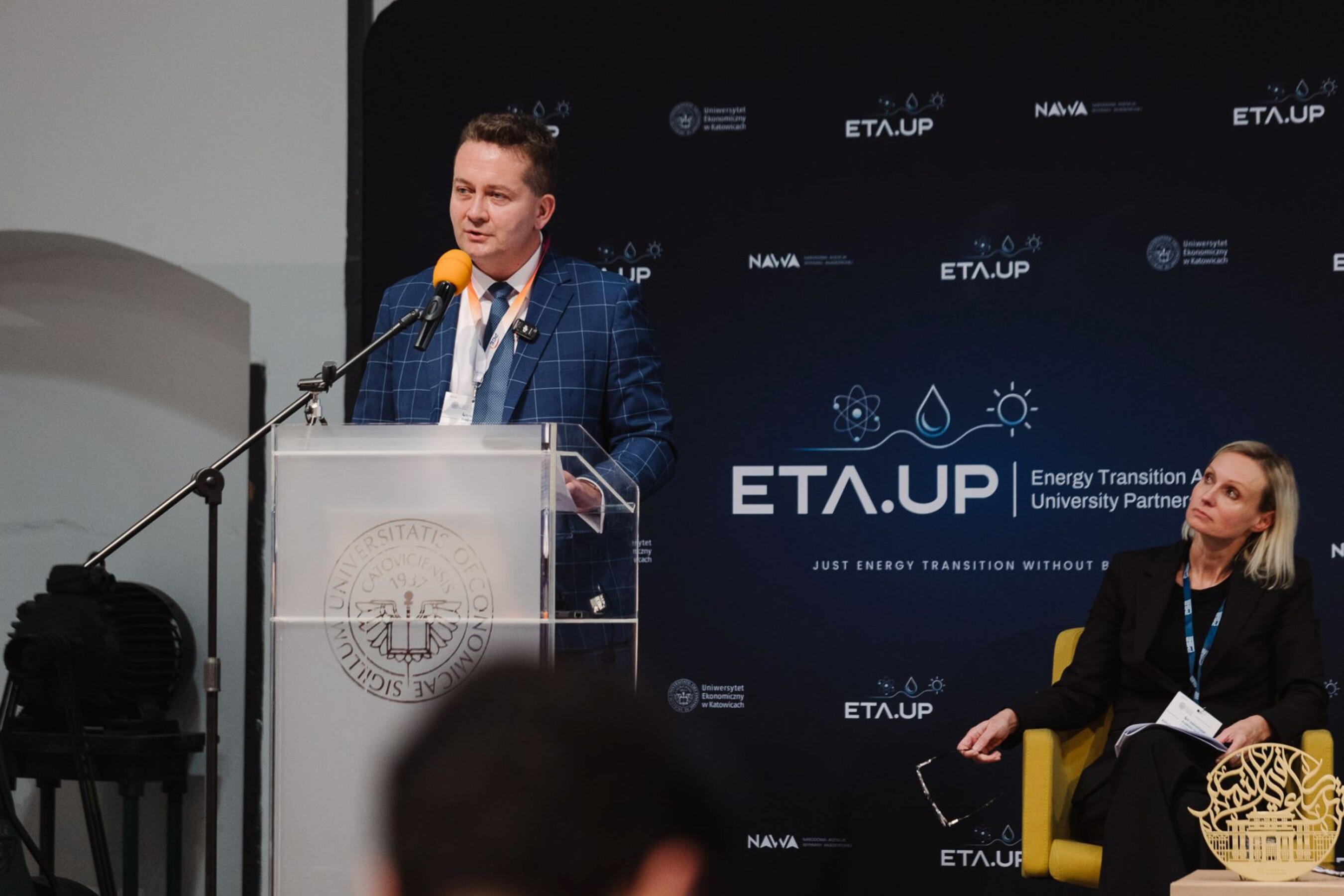
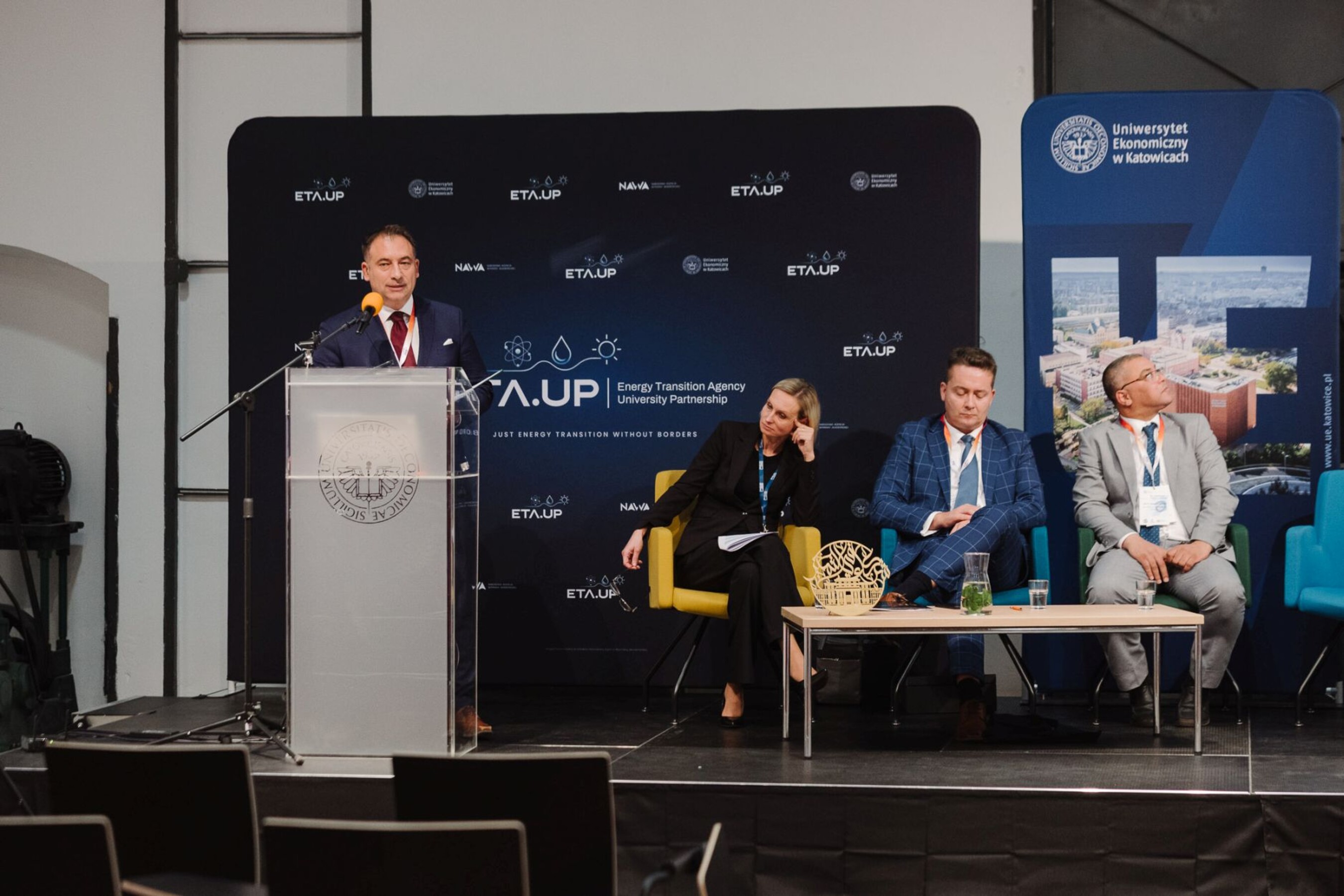
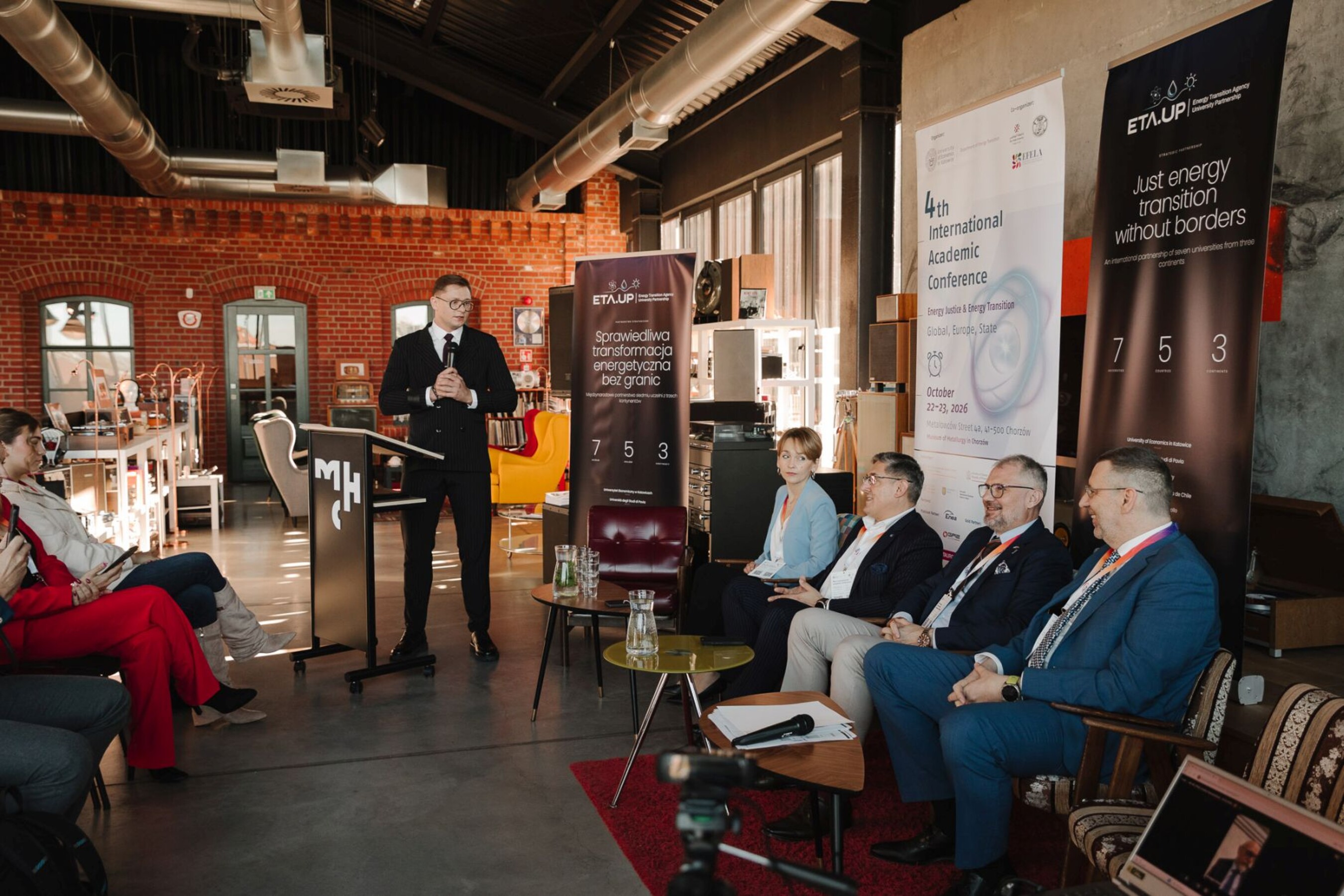
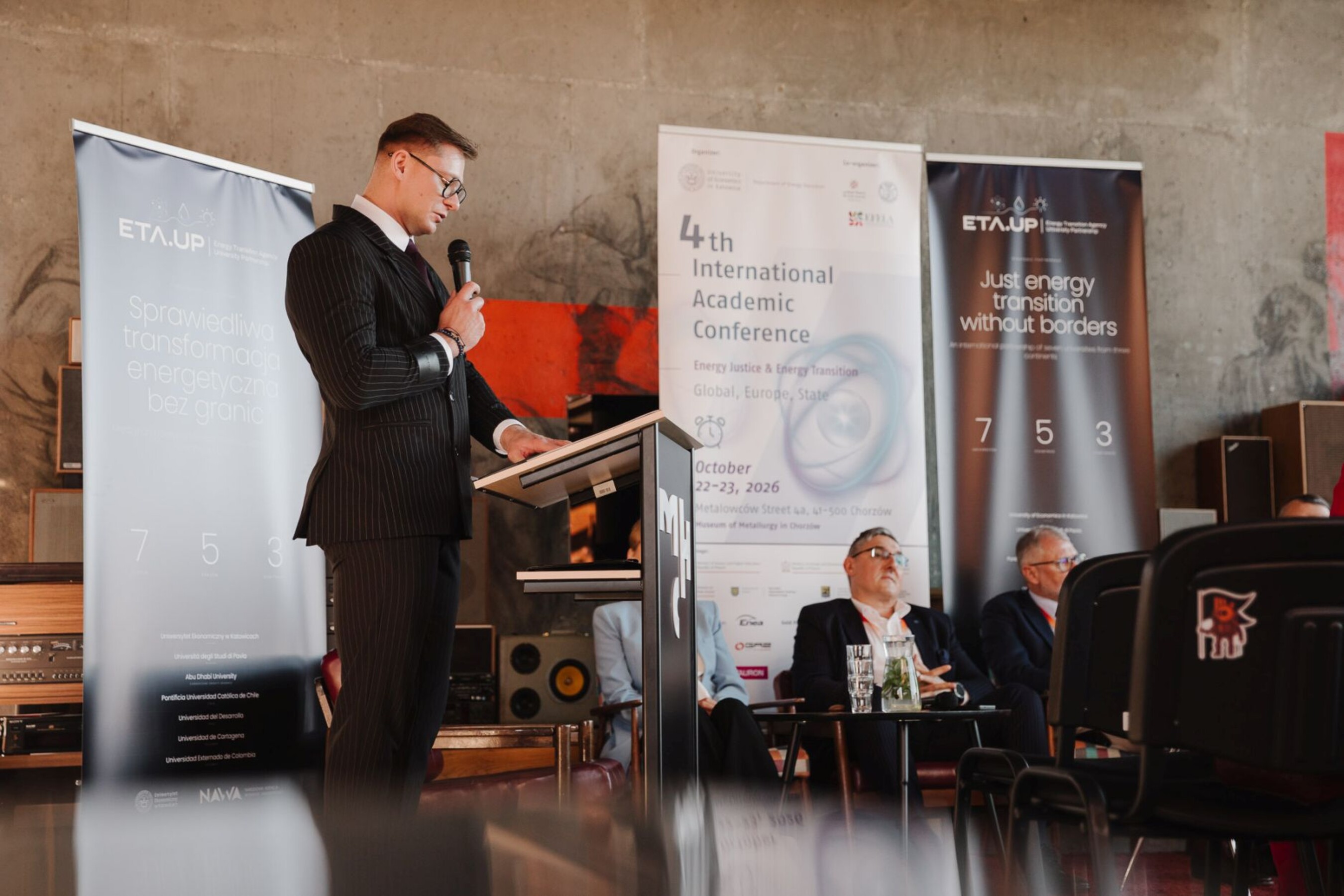
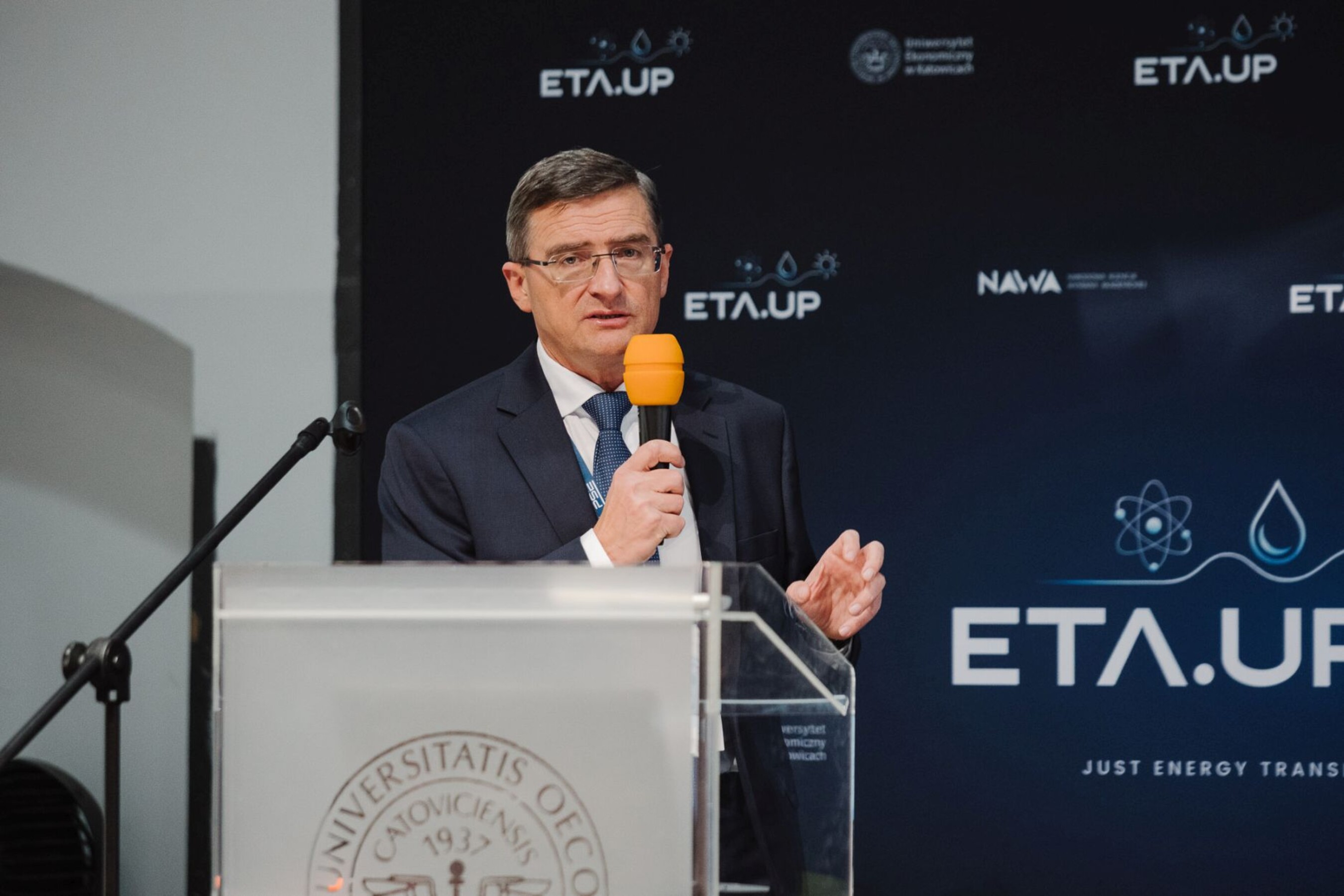
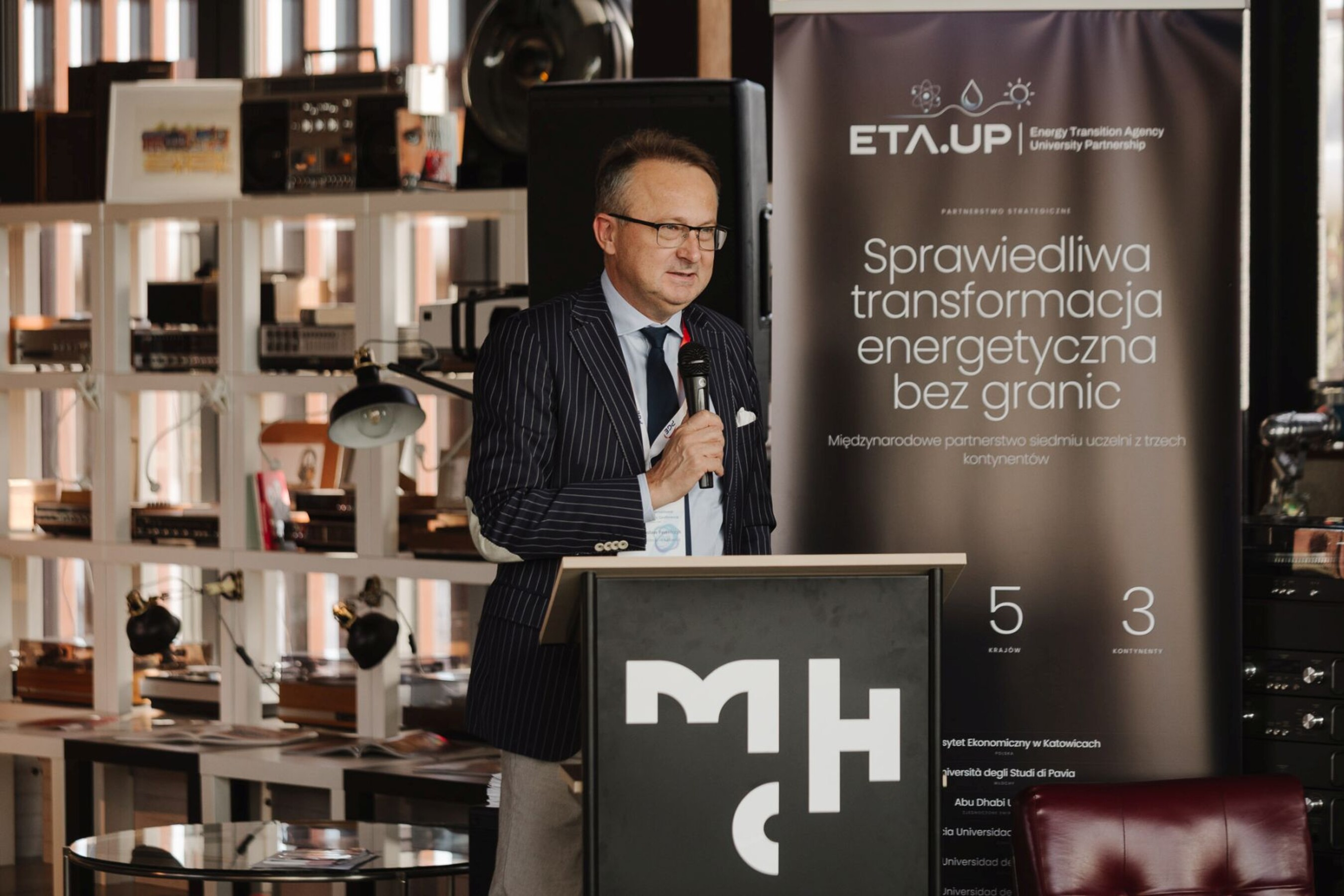
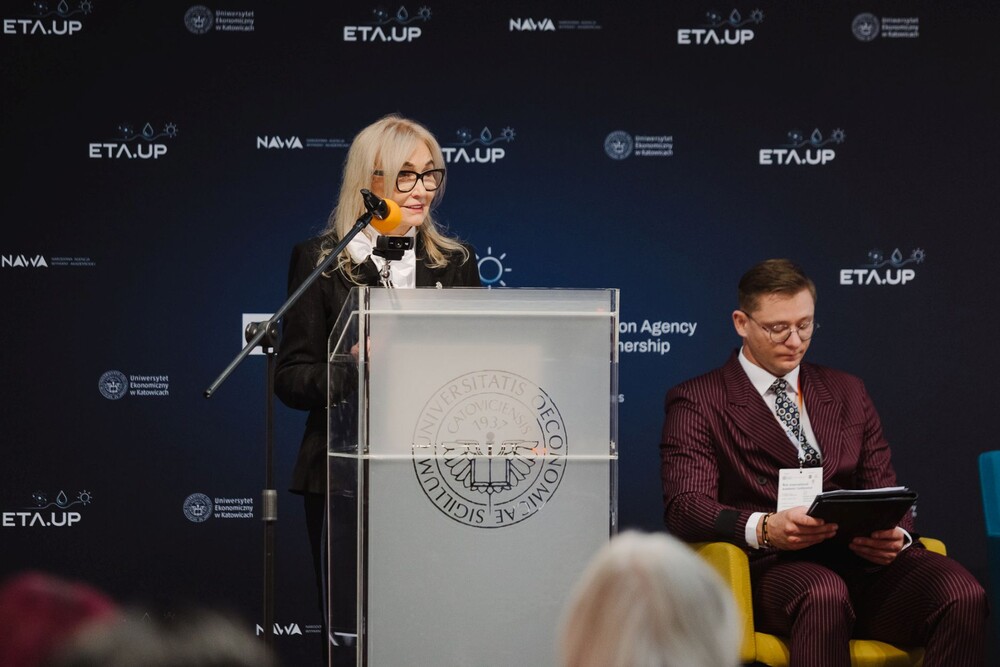
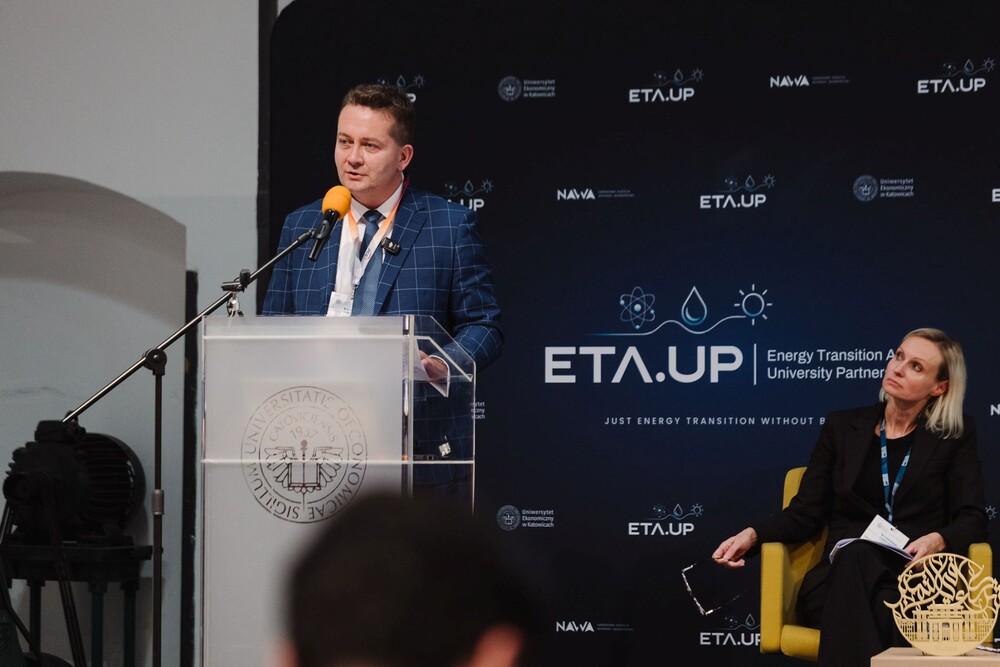
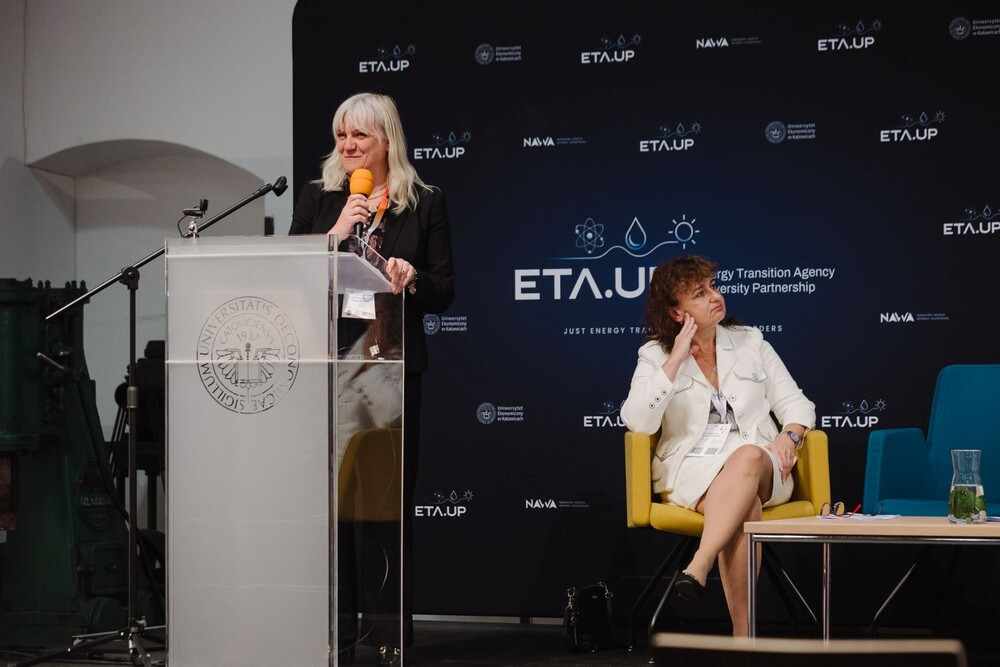
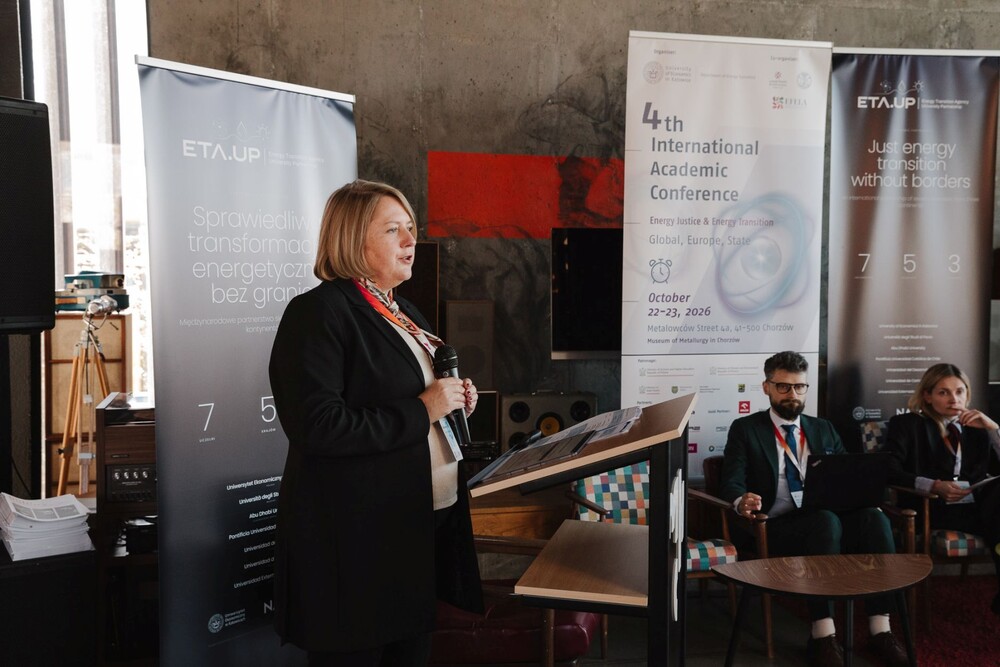
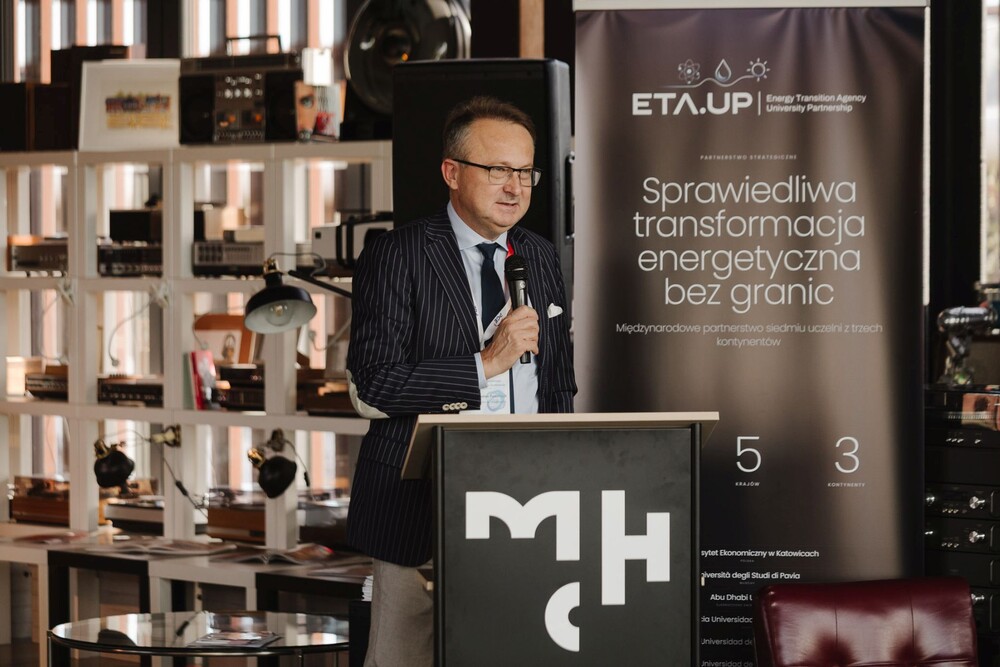
The conference was officially opened on Thursday, 22 October, by Professor Celina Olszak, Rector of the University of Economics in Katowice.
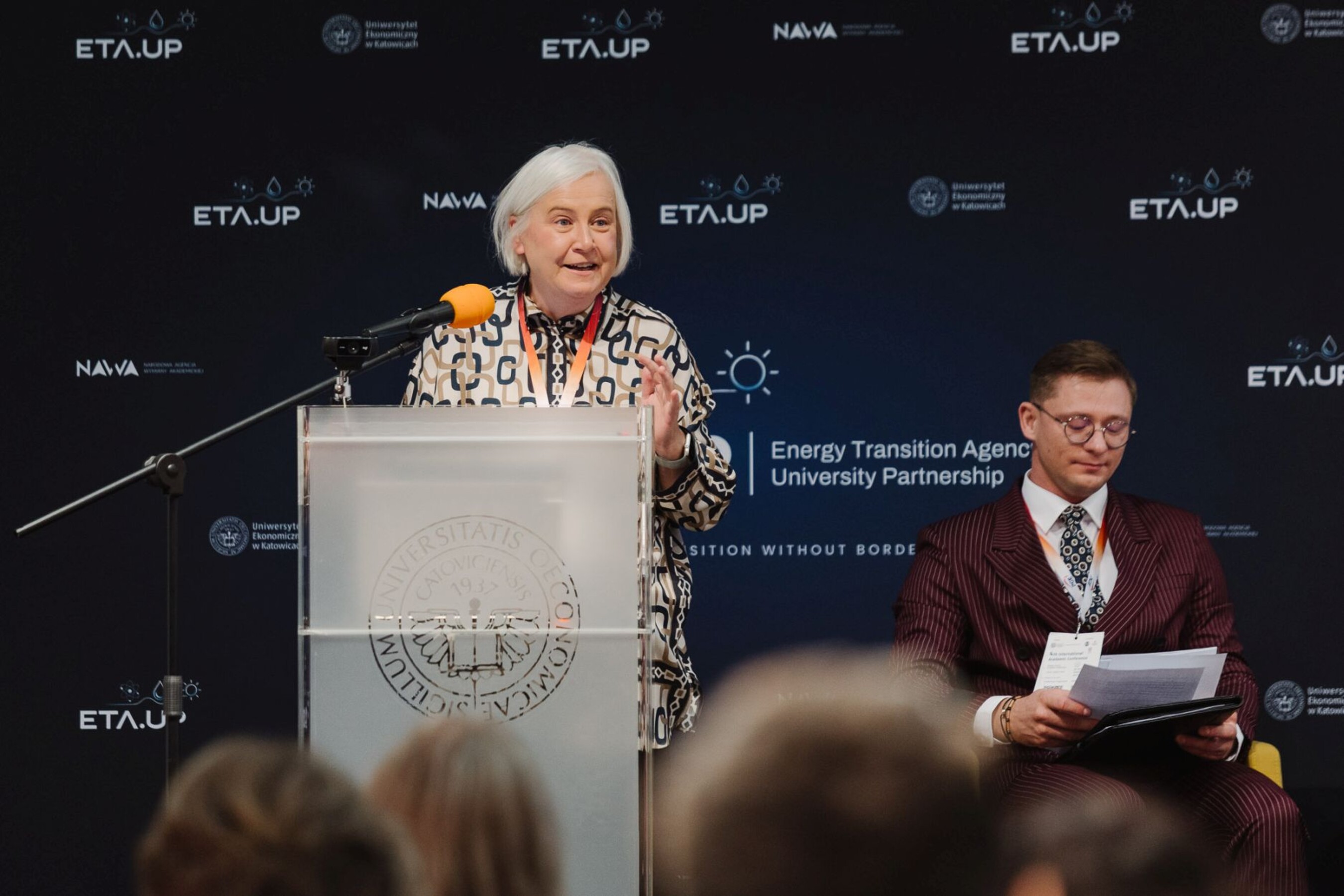
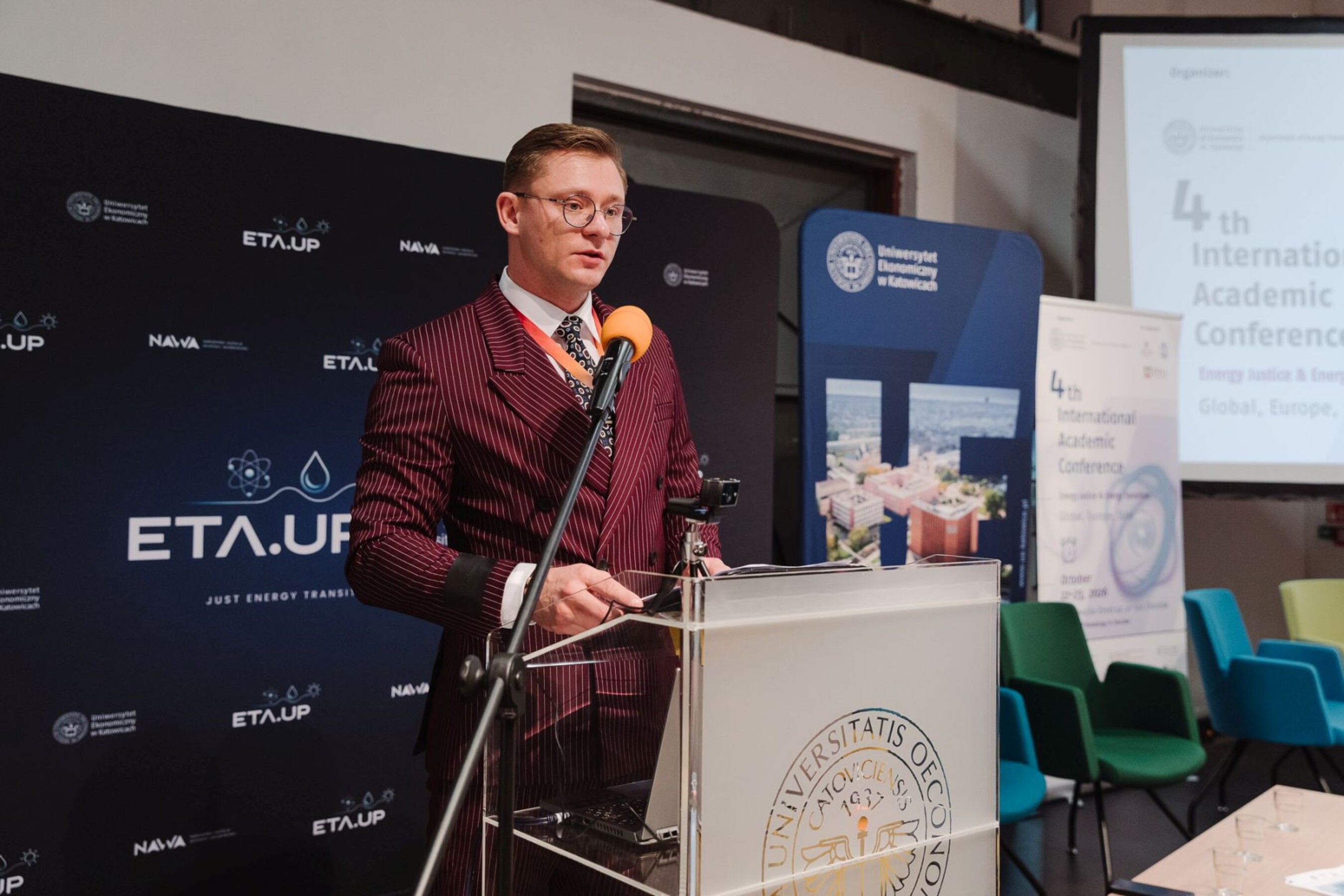
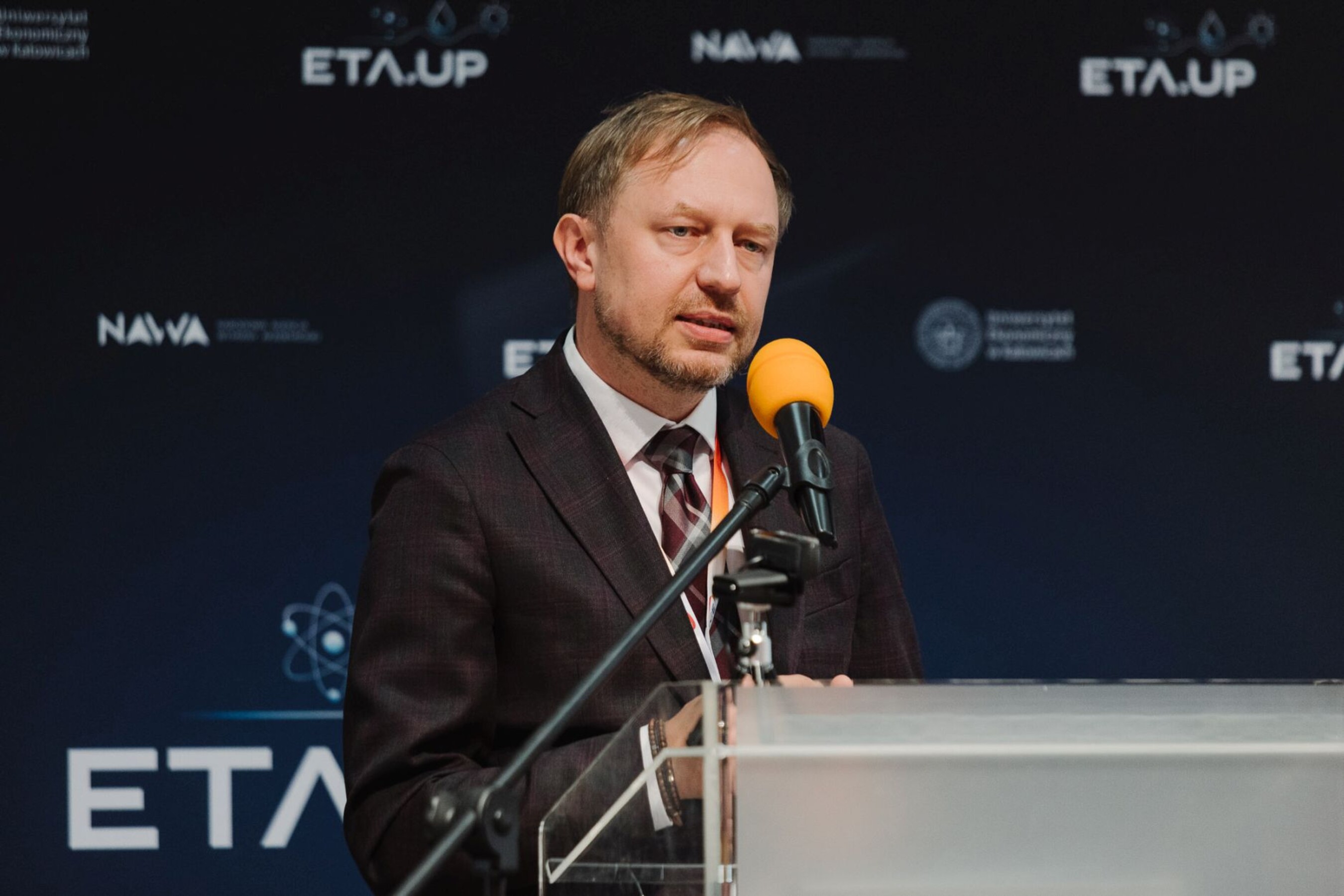
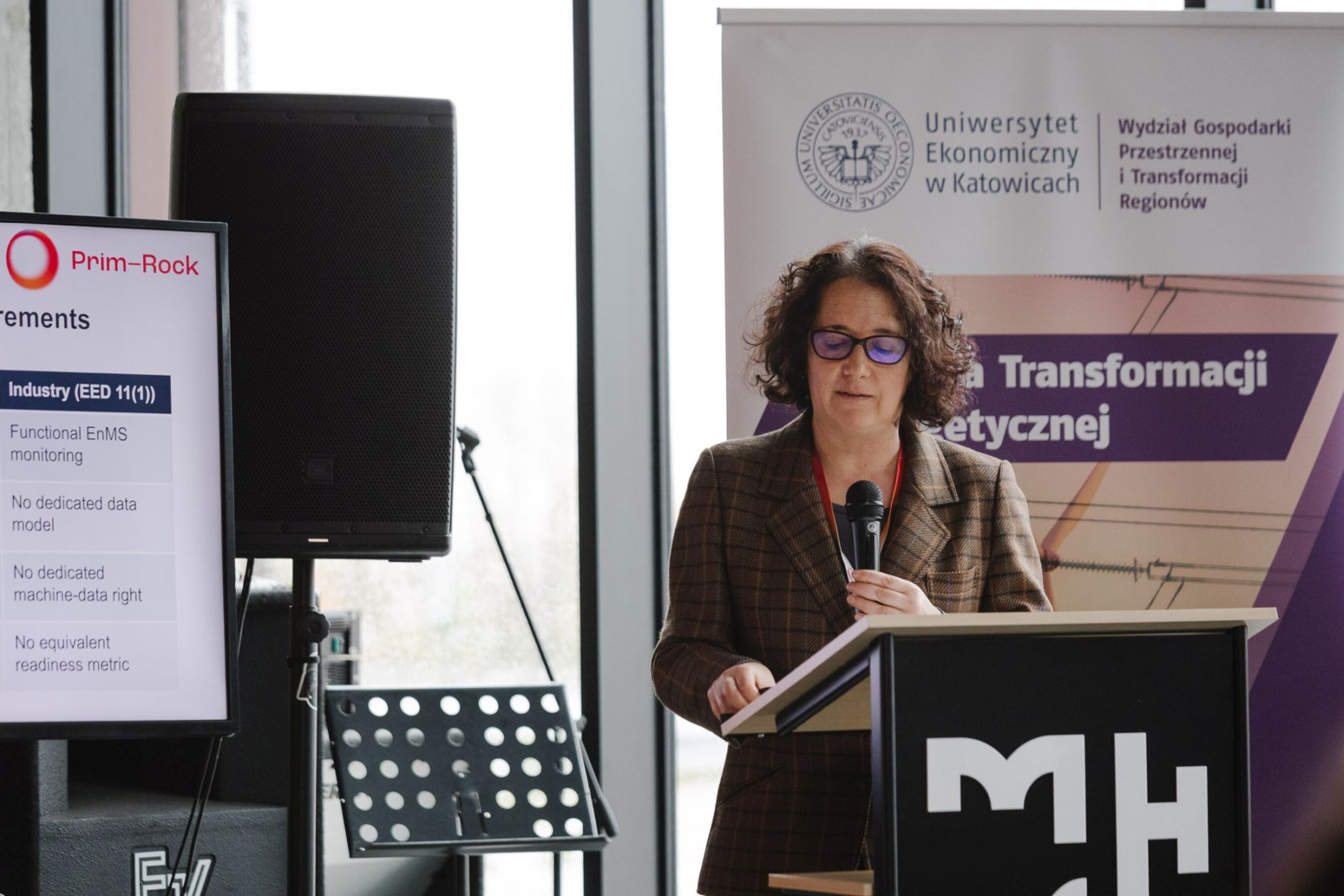
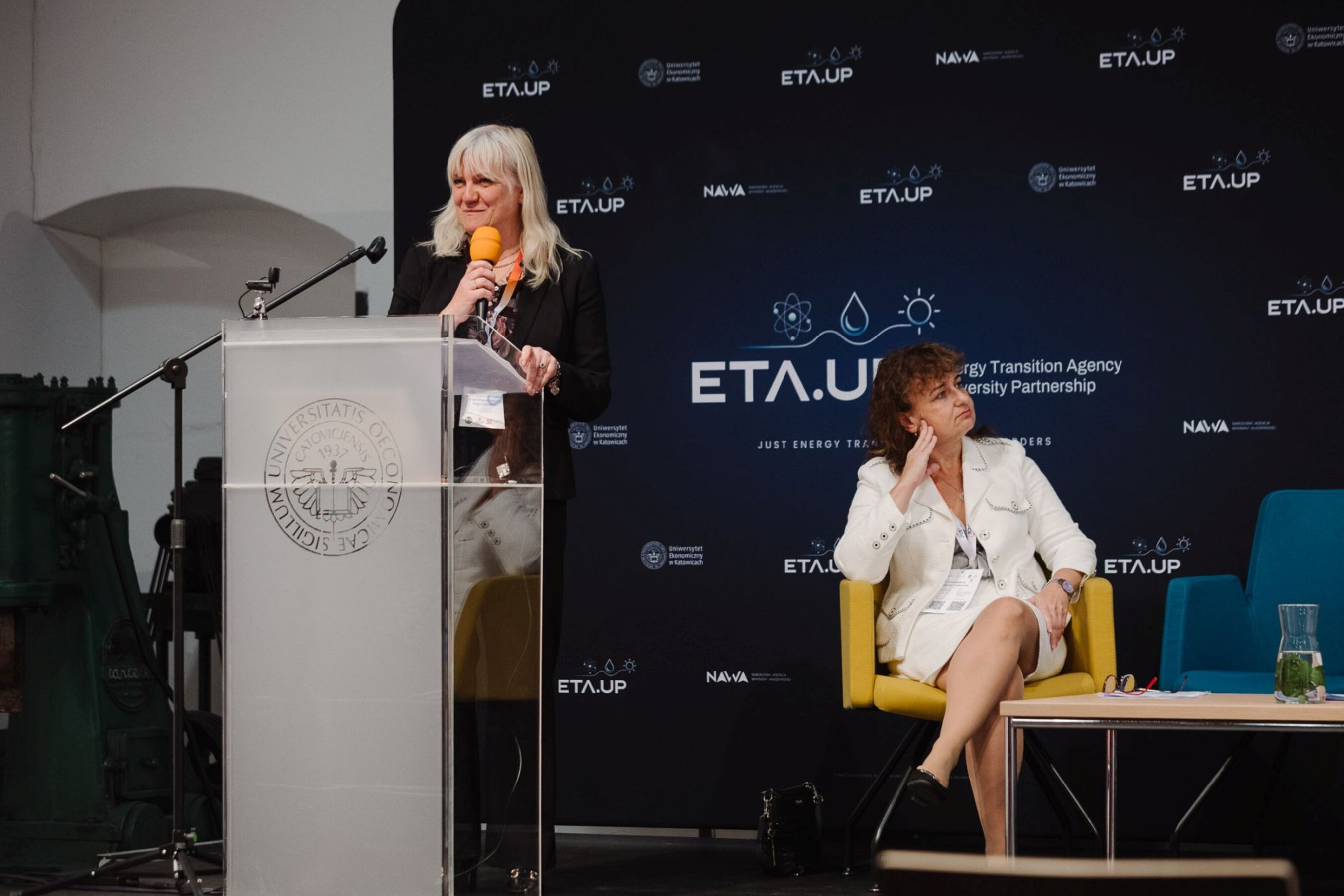
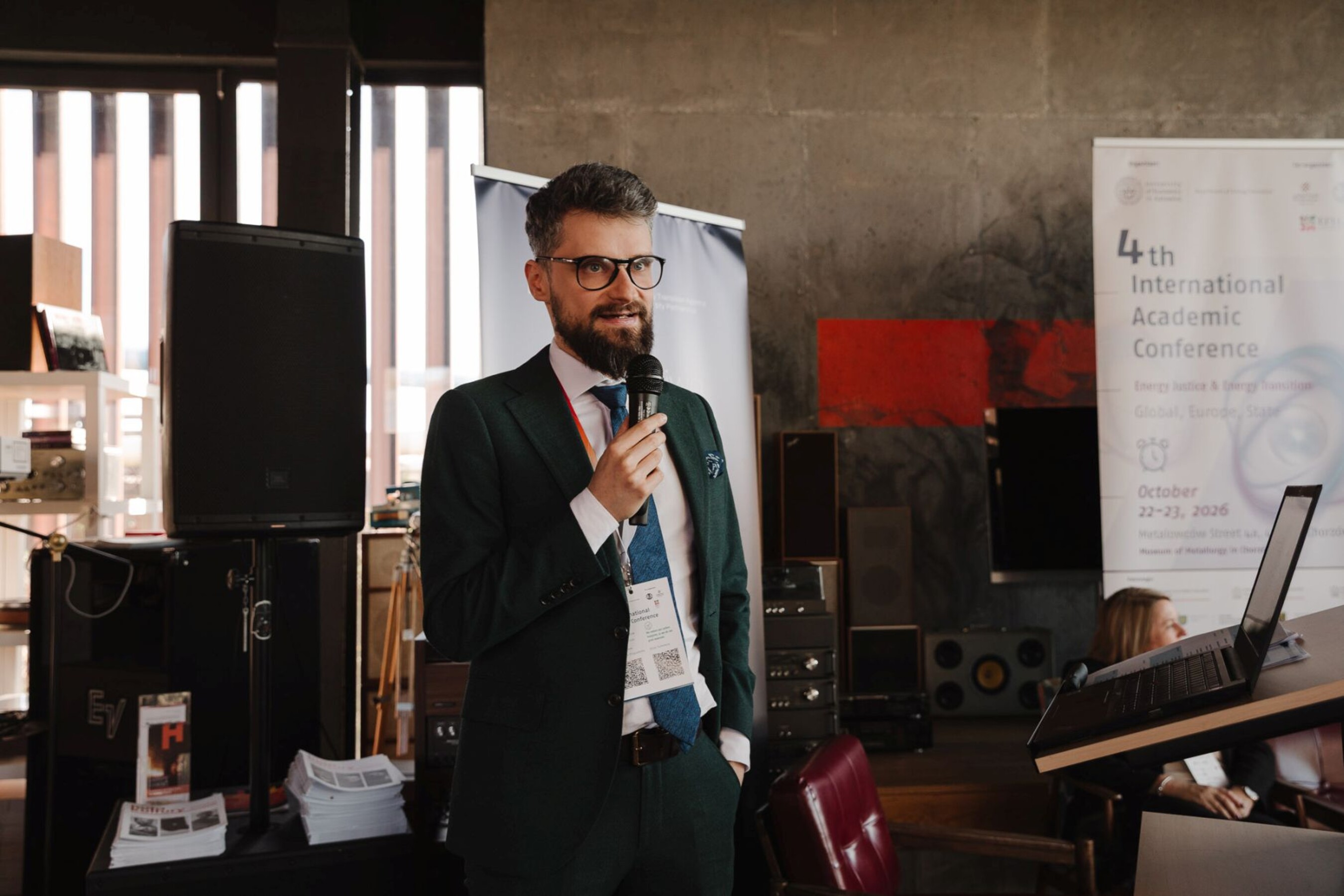
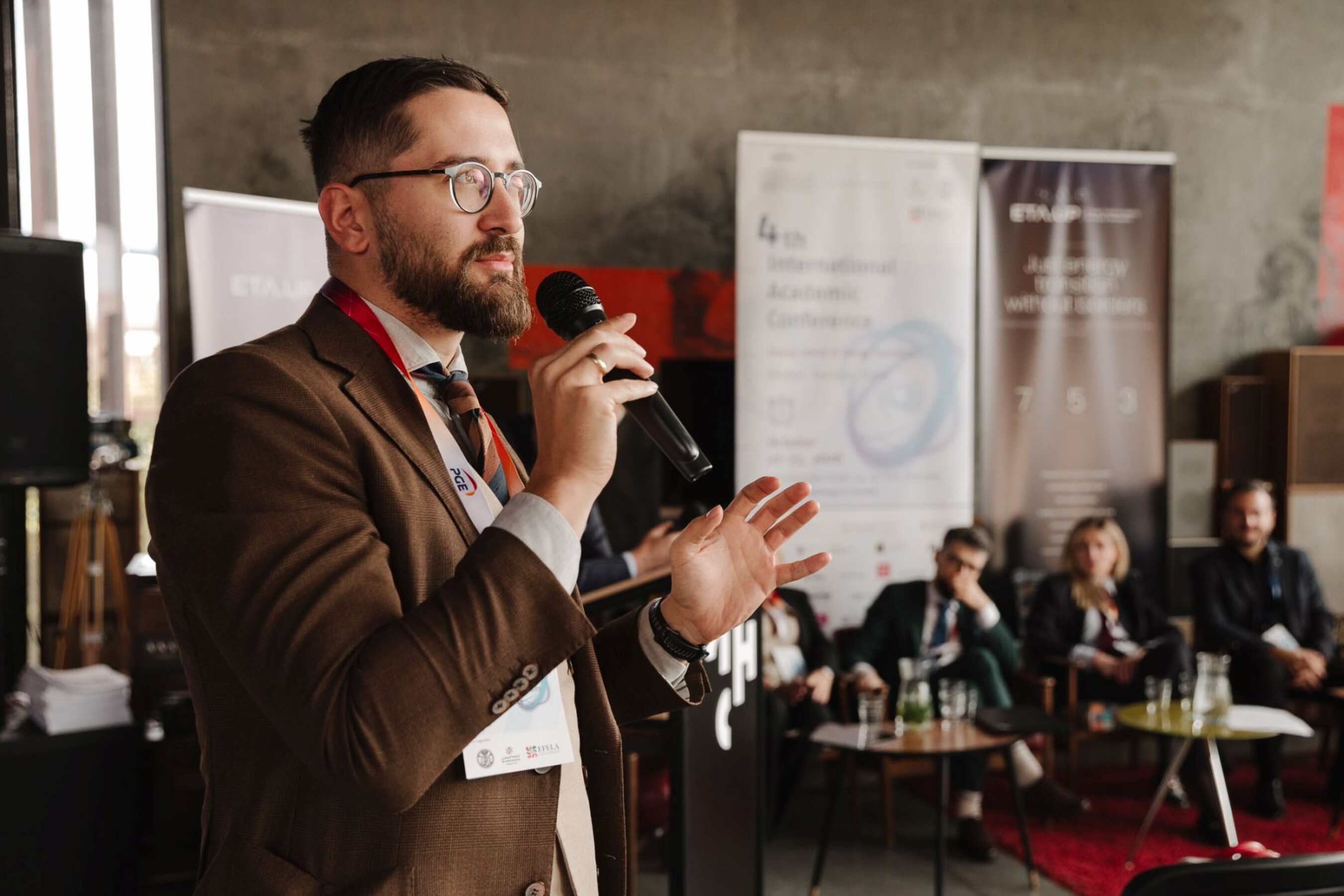
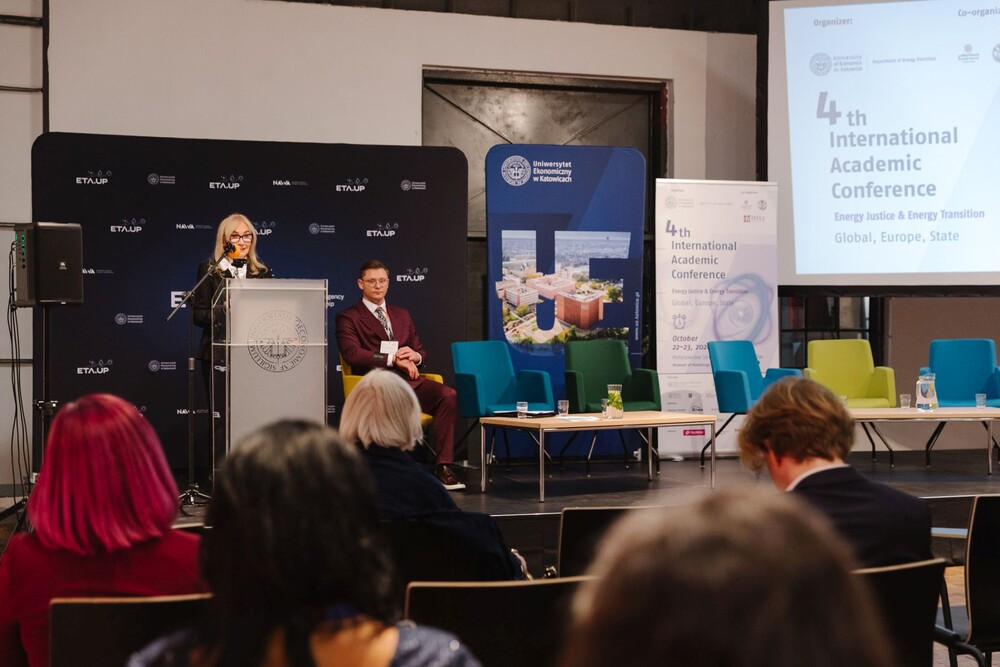
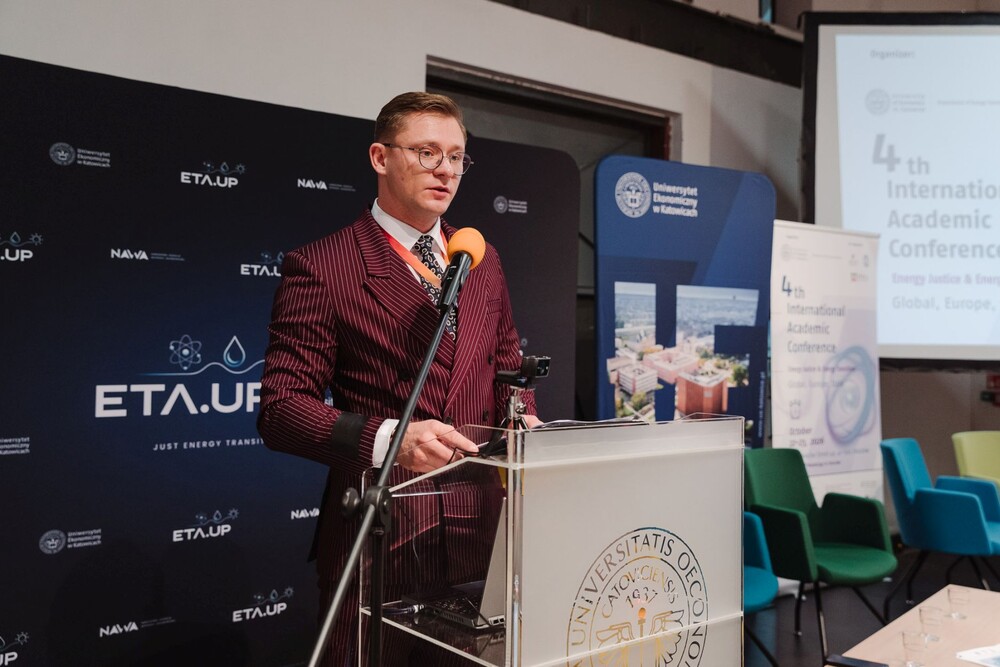
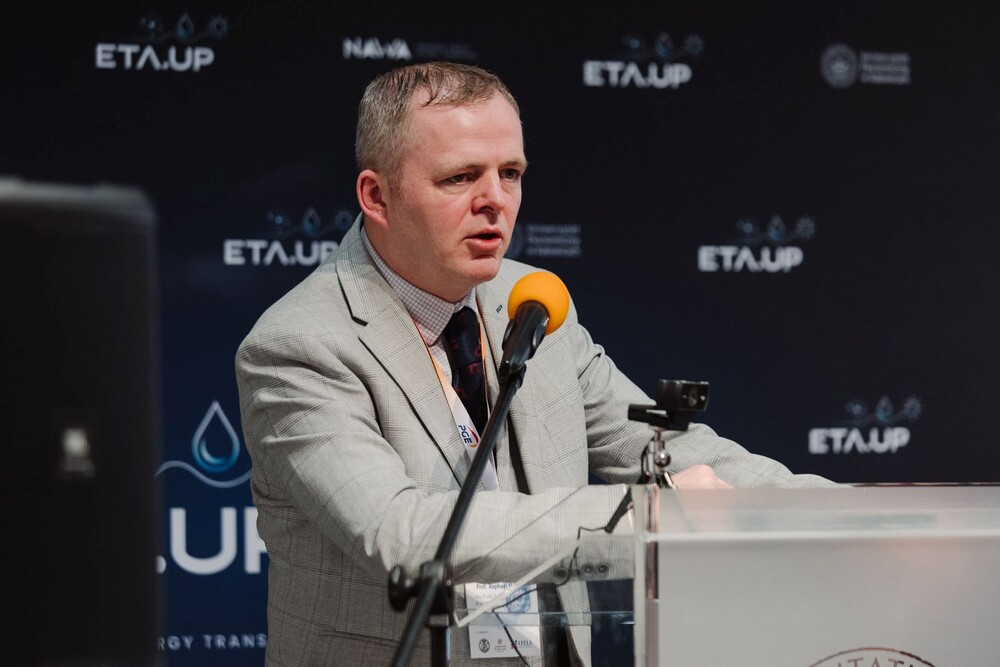
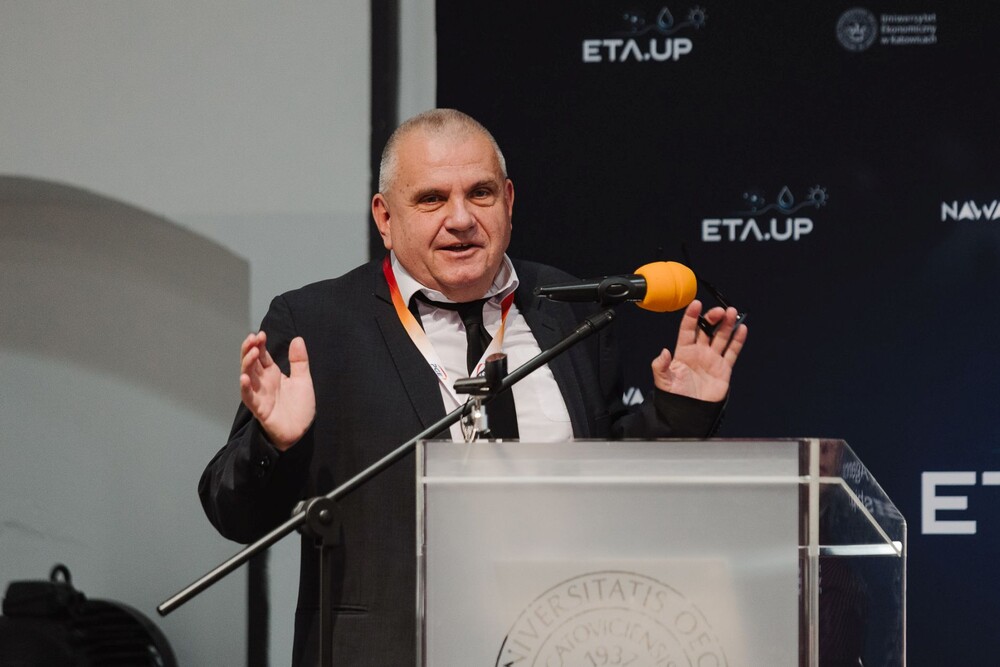
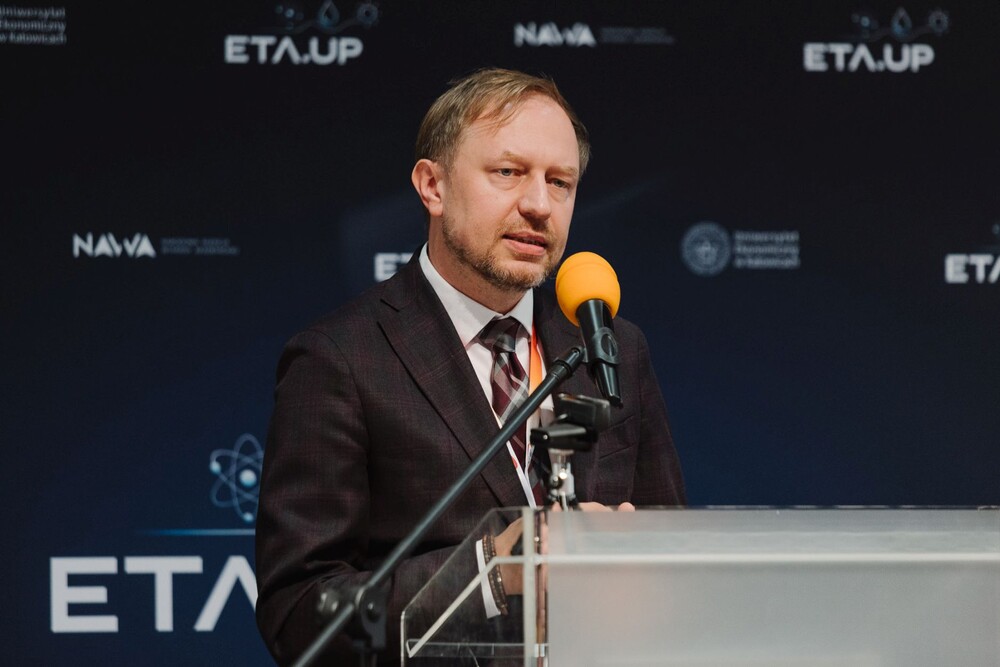
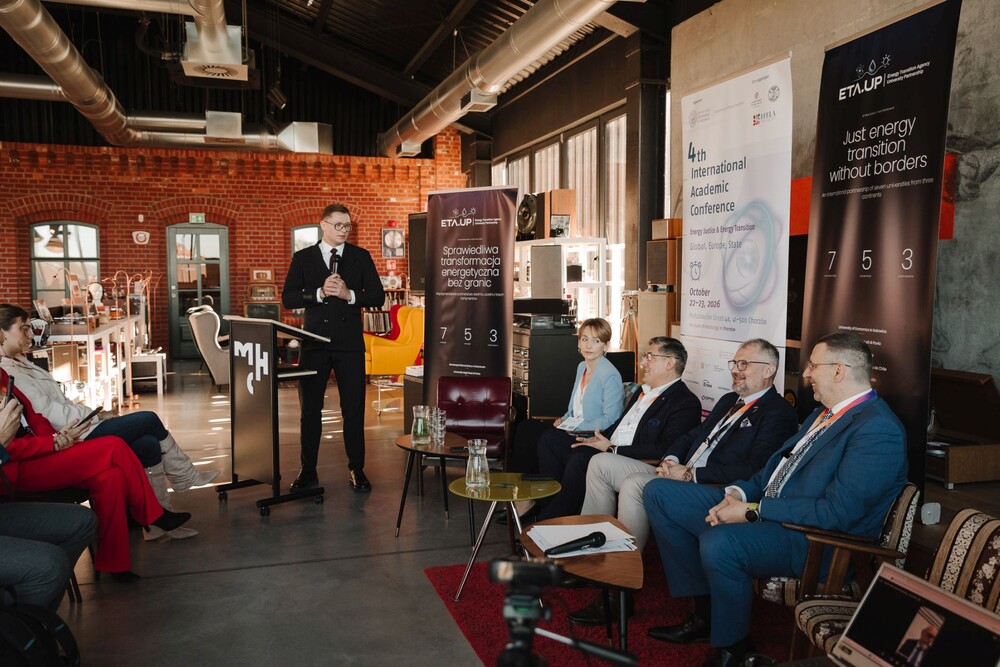
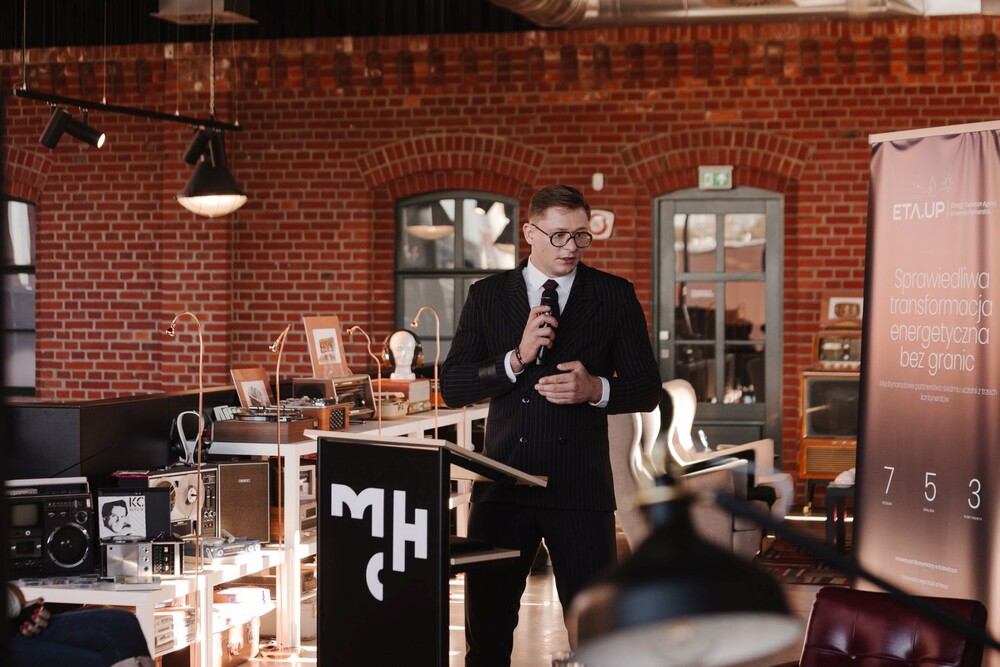
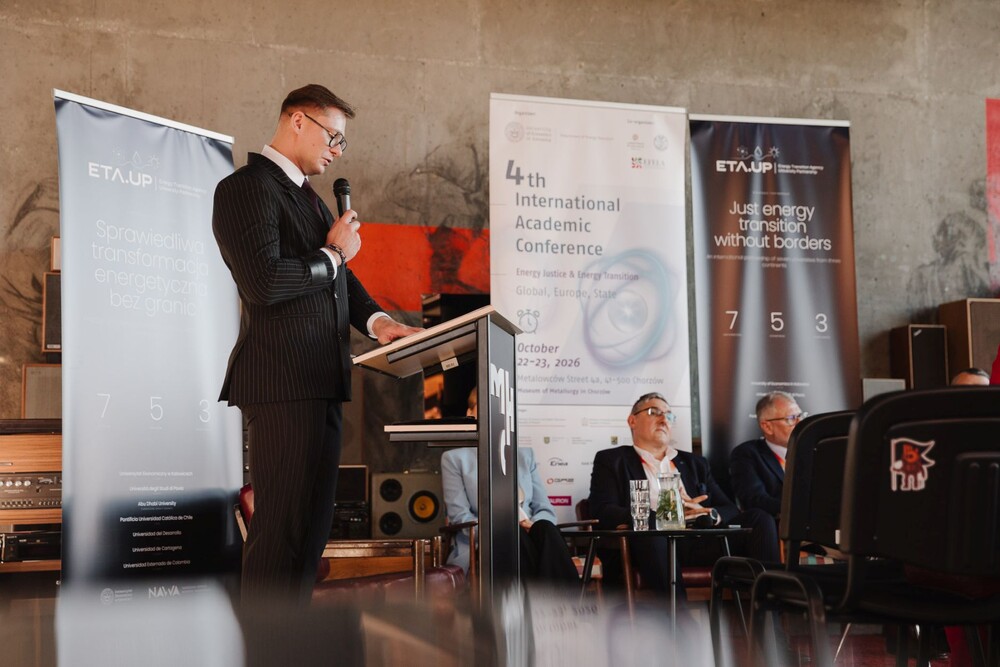
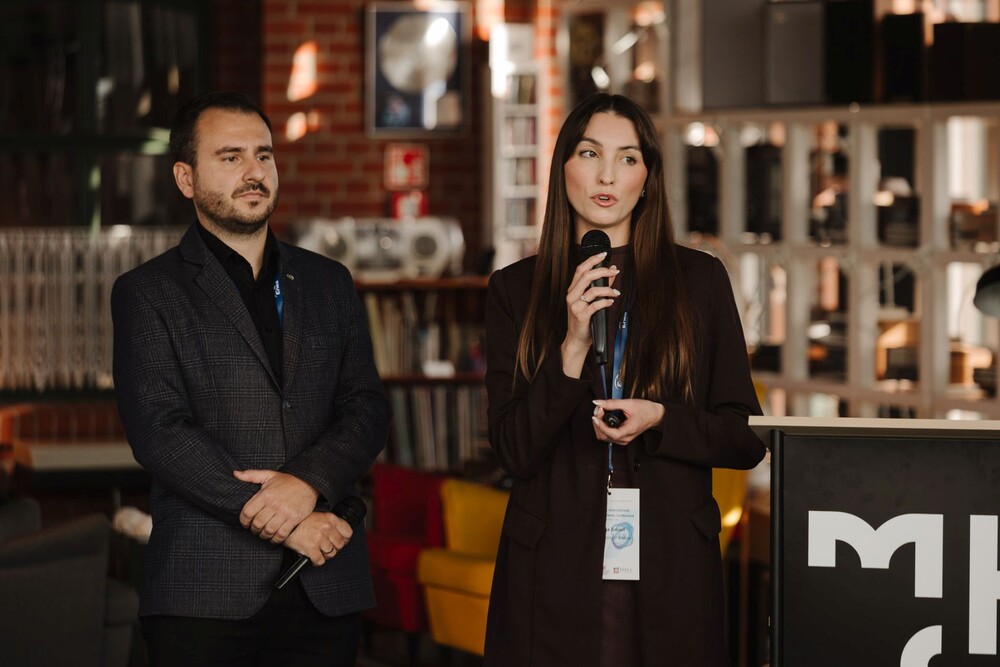
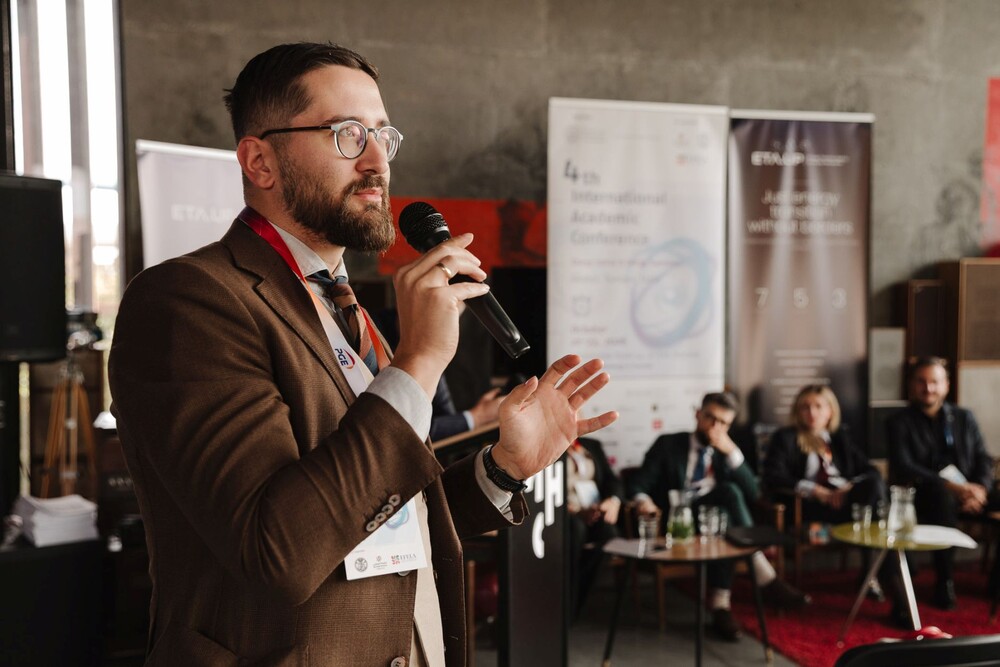
The opening ceremony began with a welcome address delivered by Dr Marcin Kraśniewski, who emphasised the international character of the event and the importance of bringing together different regional perspectives on the energy transition. Professor Marzena Czarnecka also welcomed participants, highlighting the significance of cooperation between academia, public institutions and the energy sector.
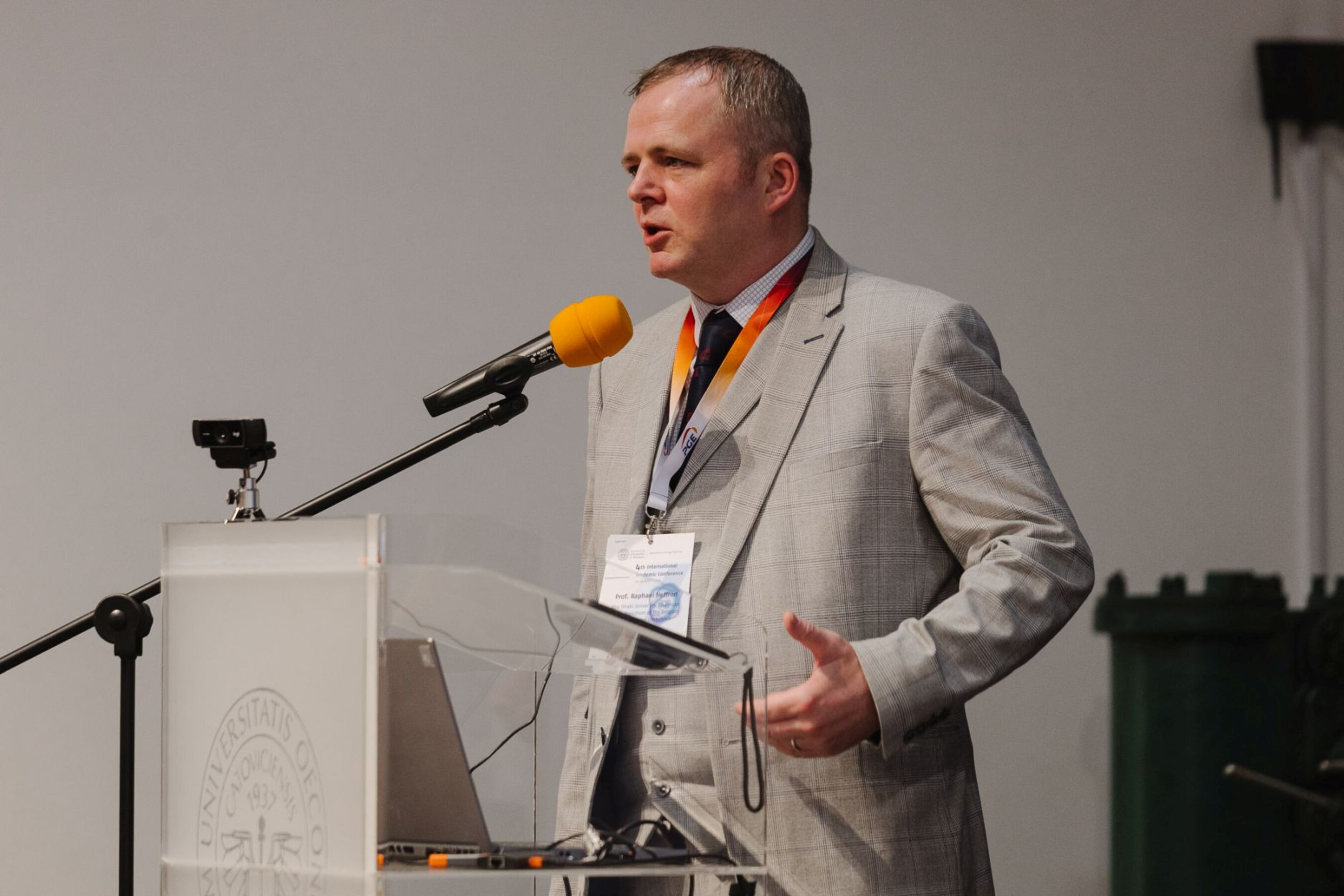
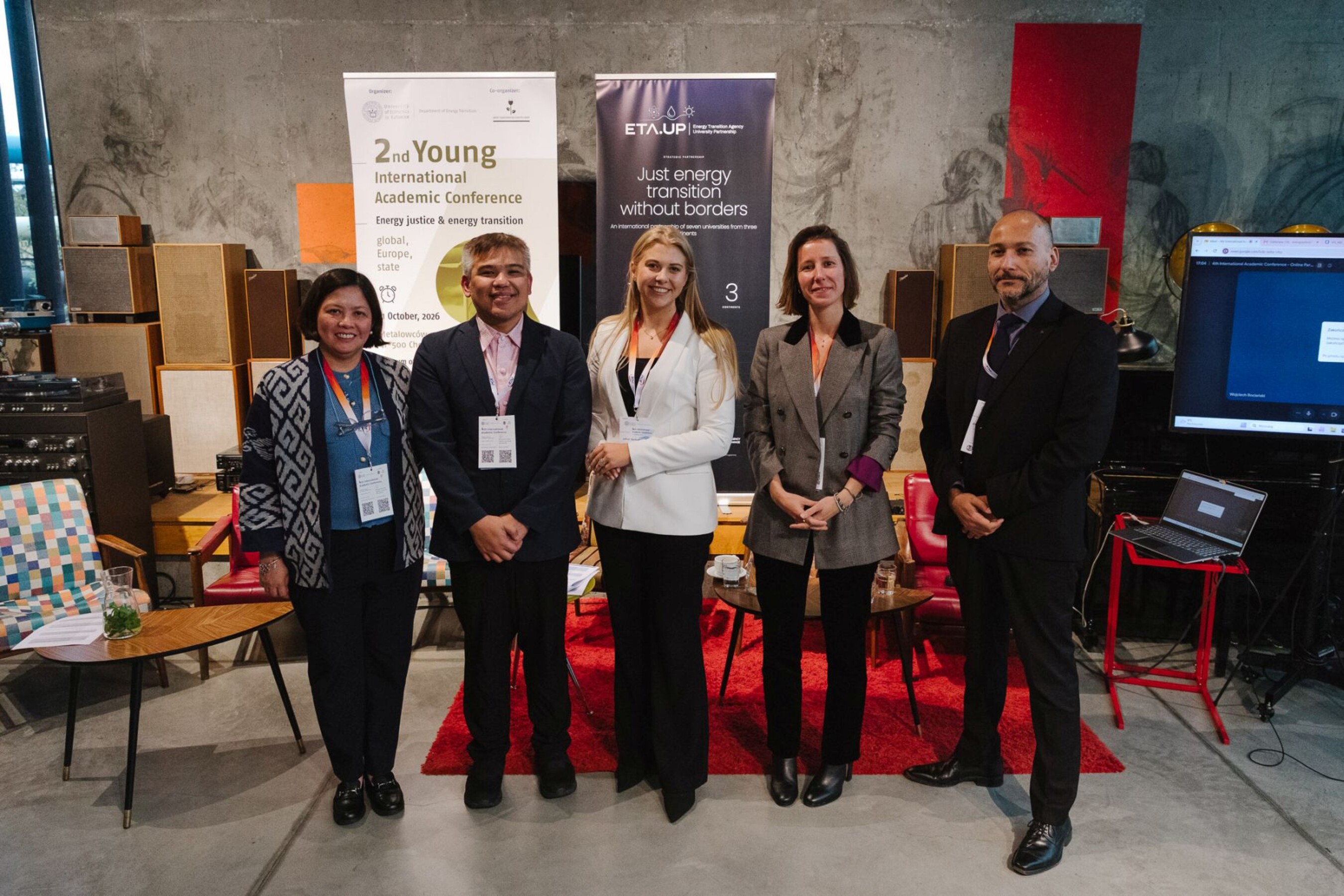
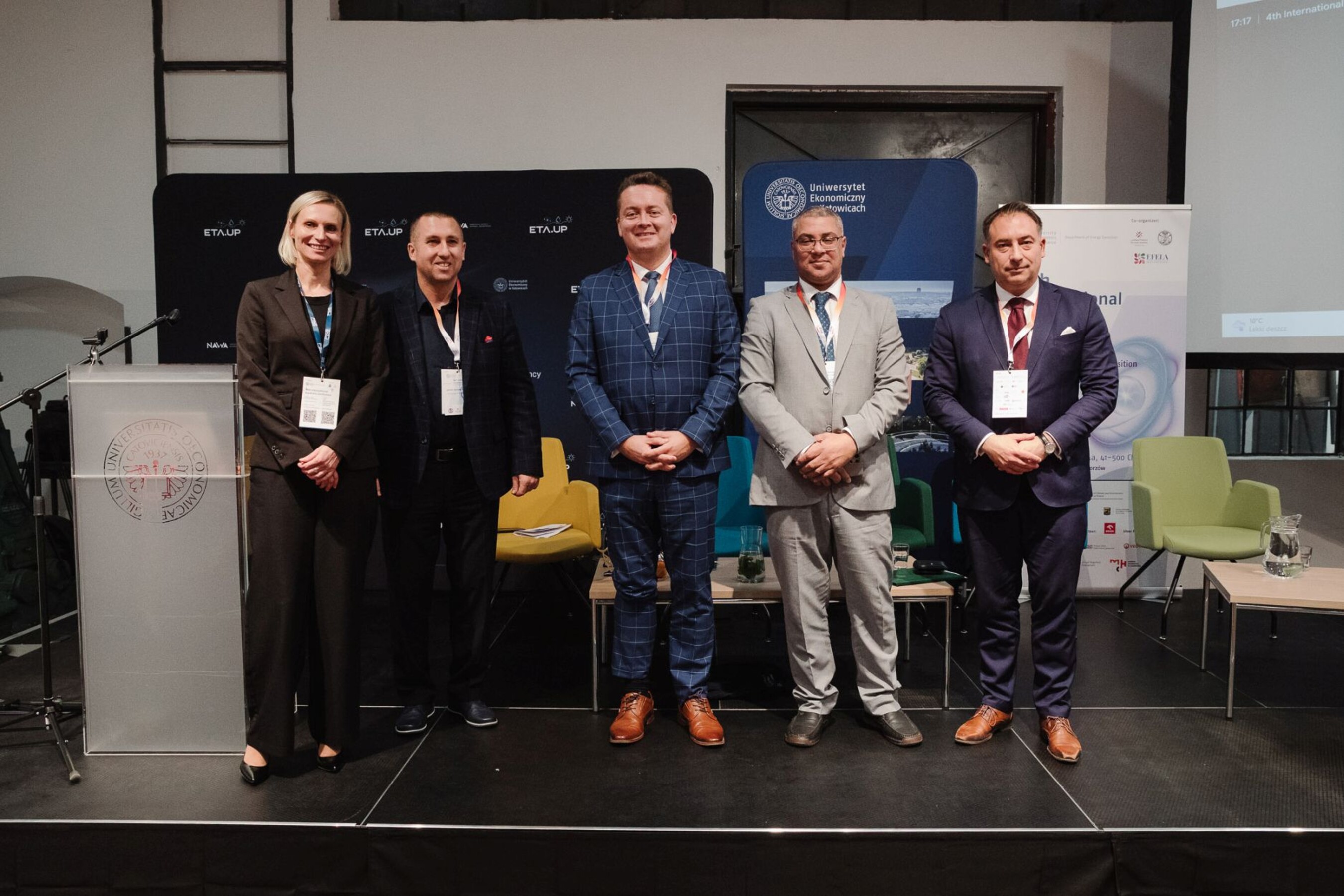
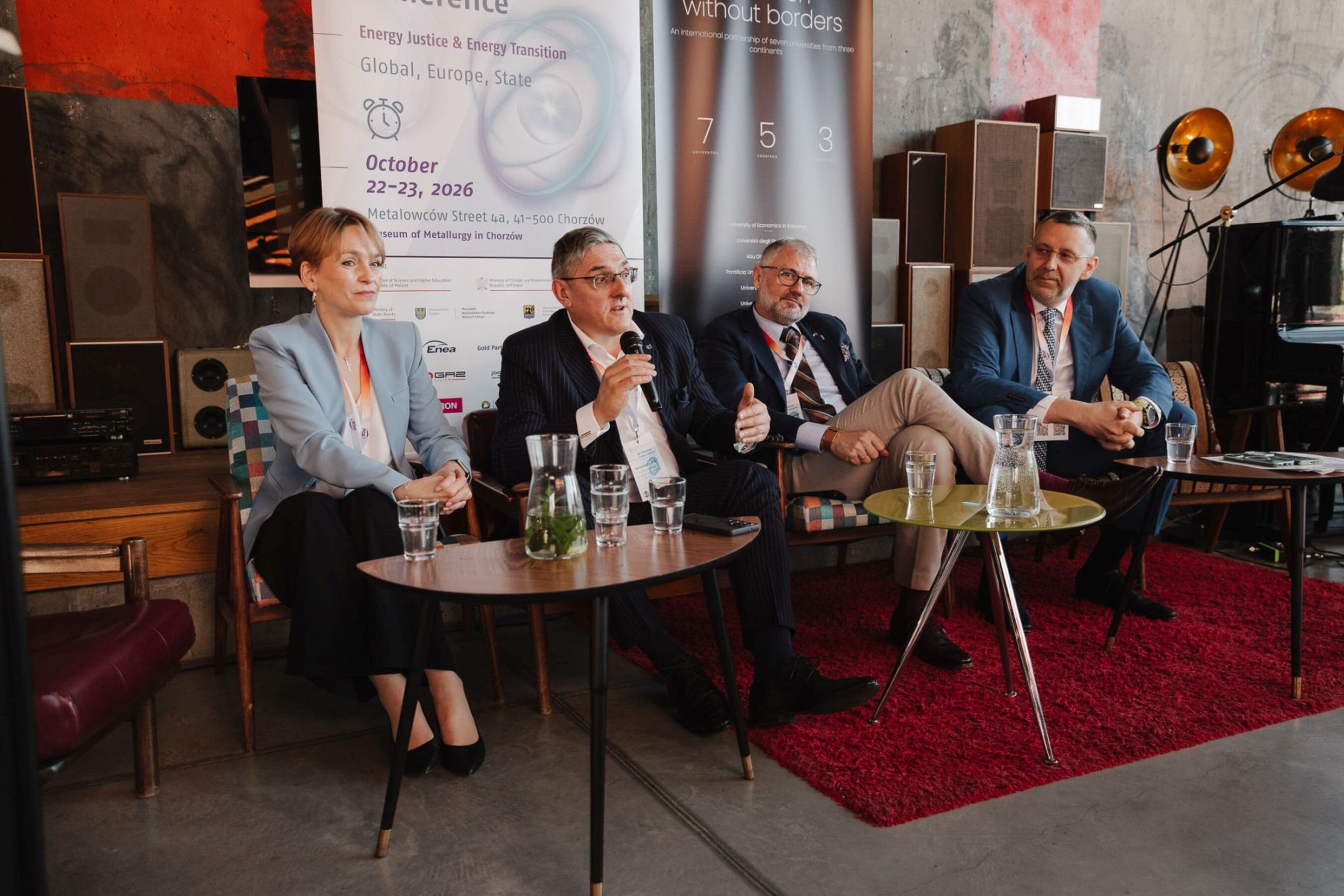
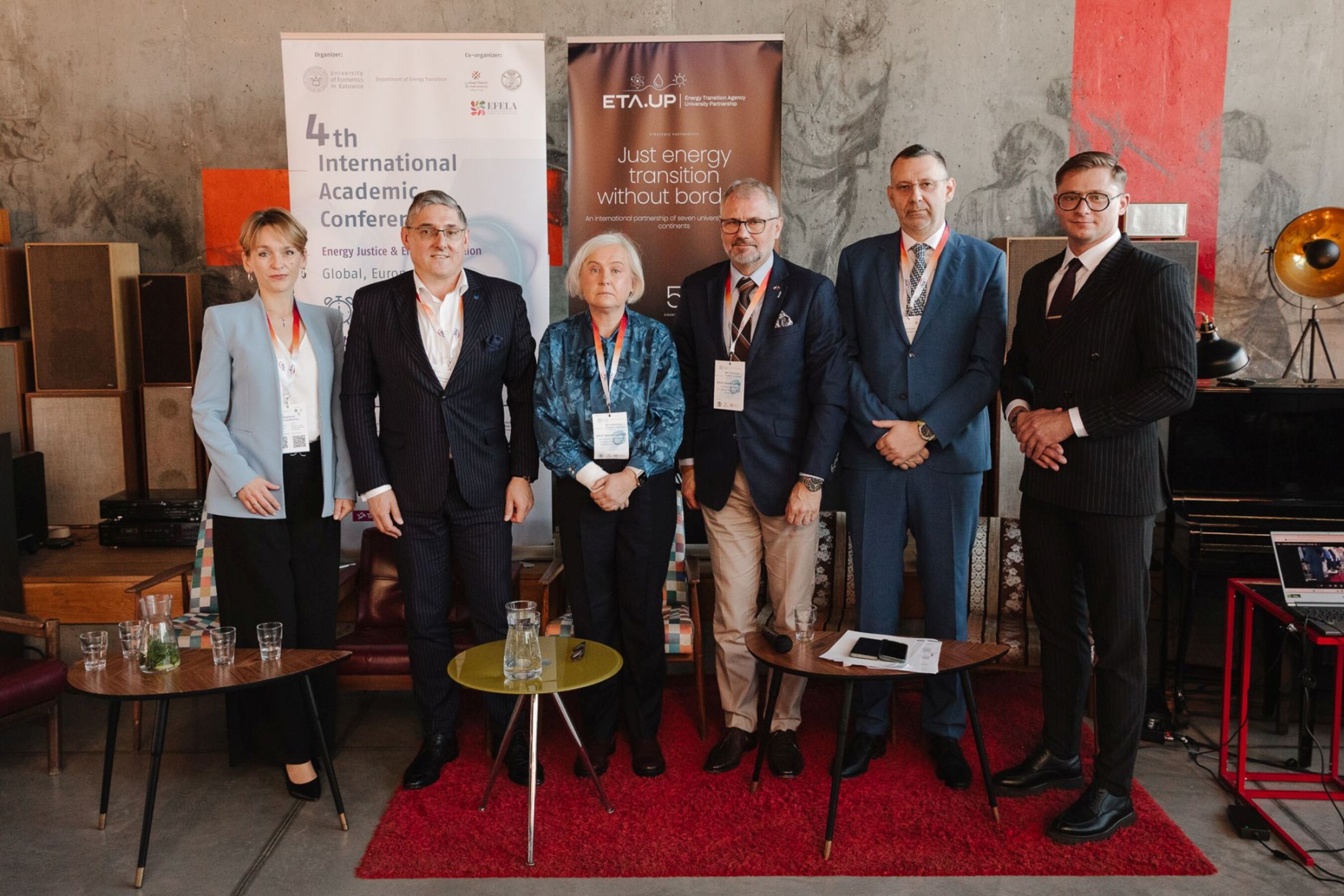
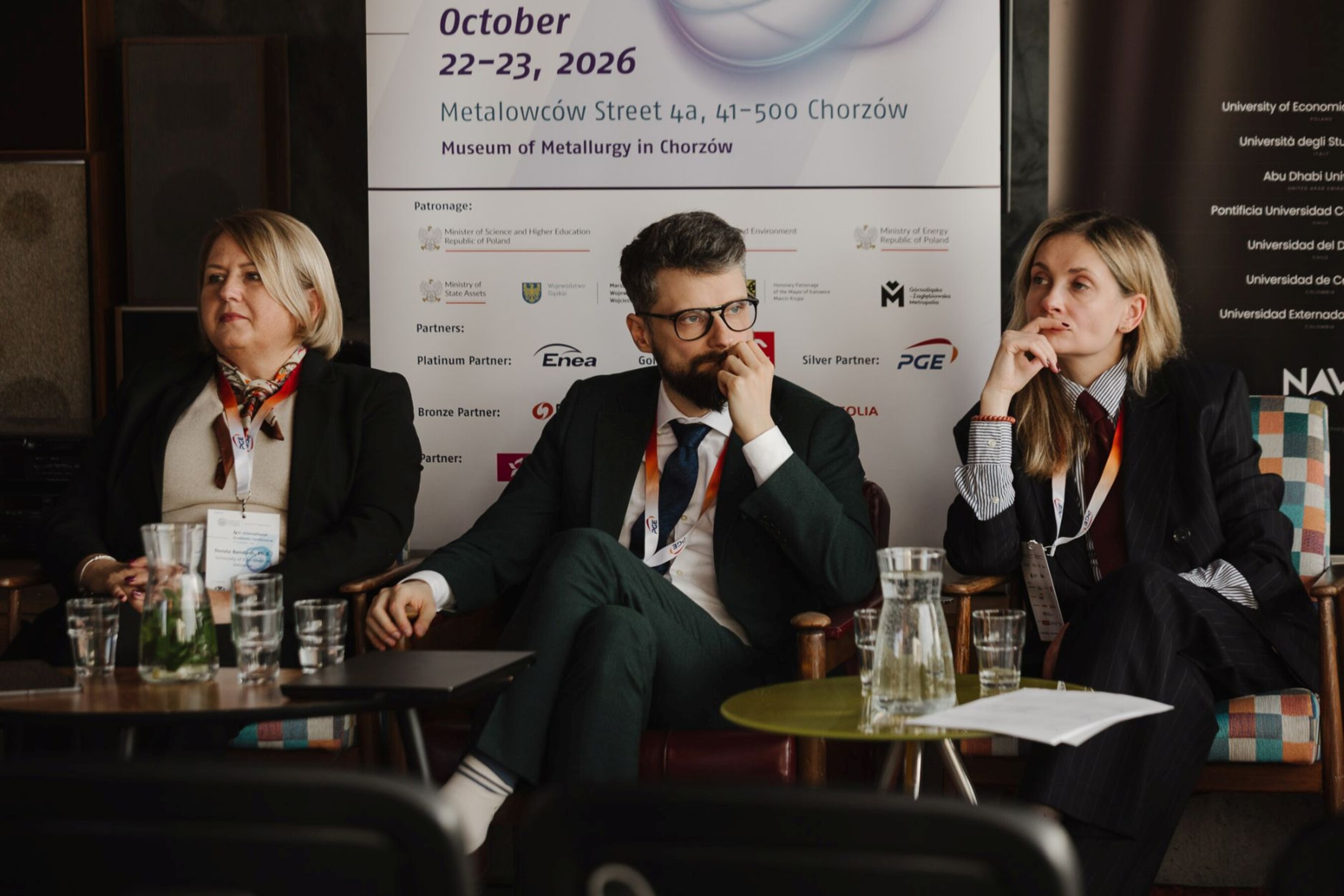
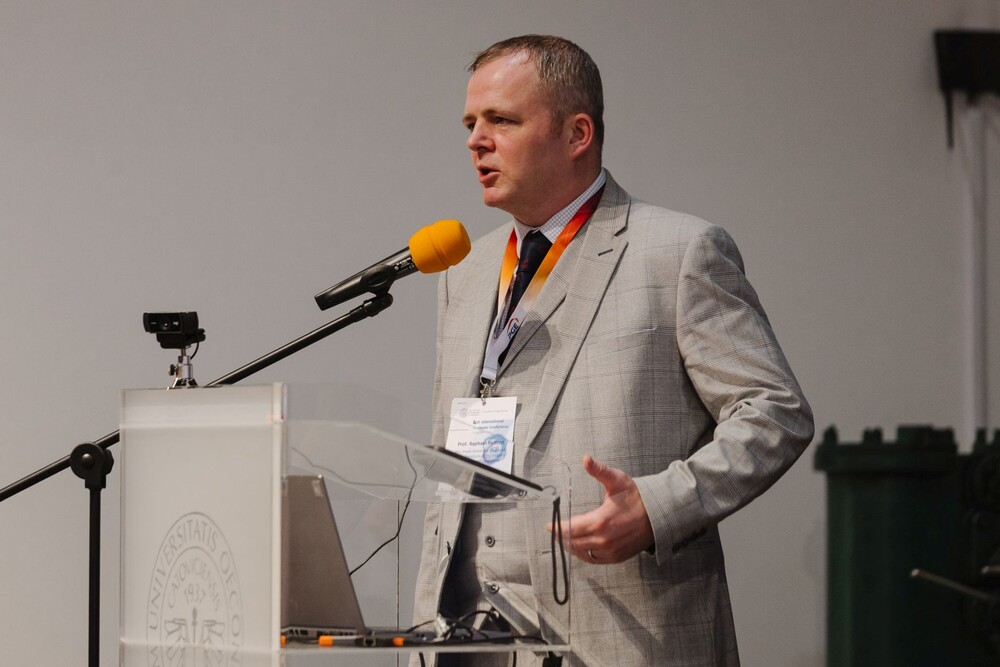
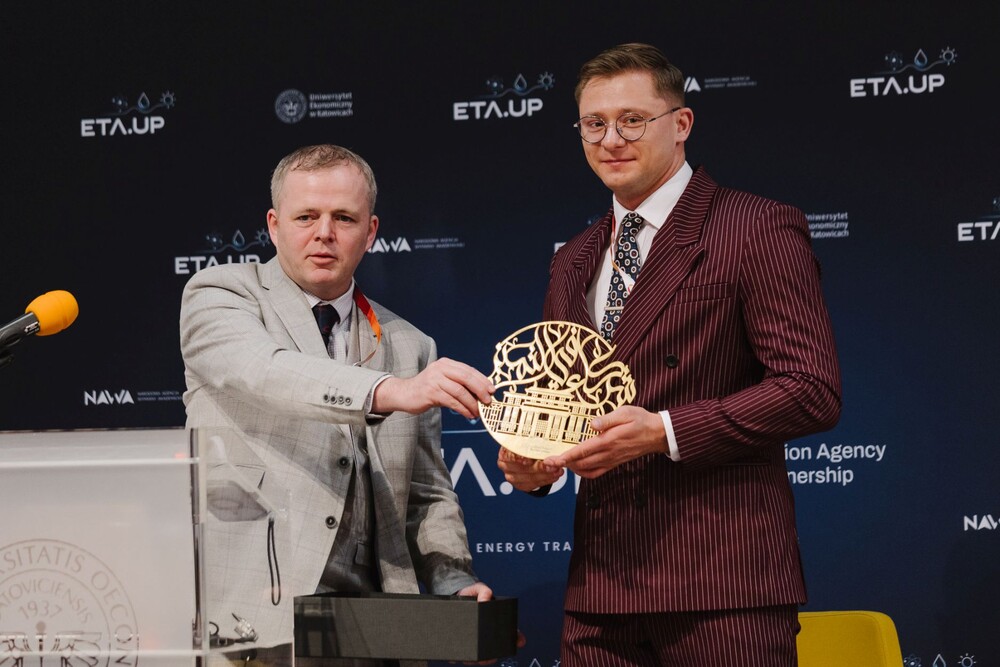
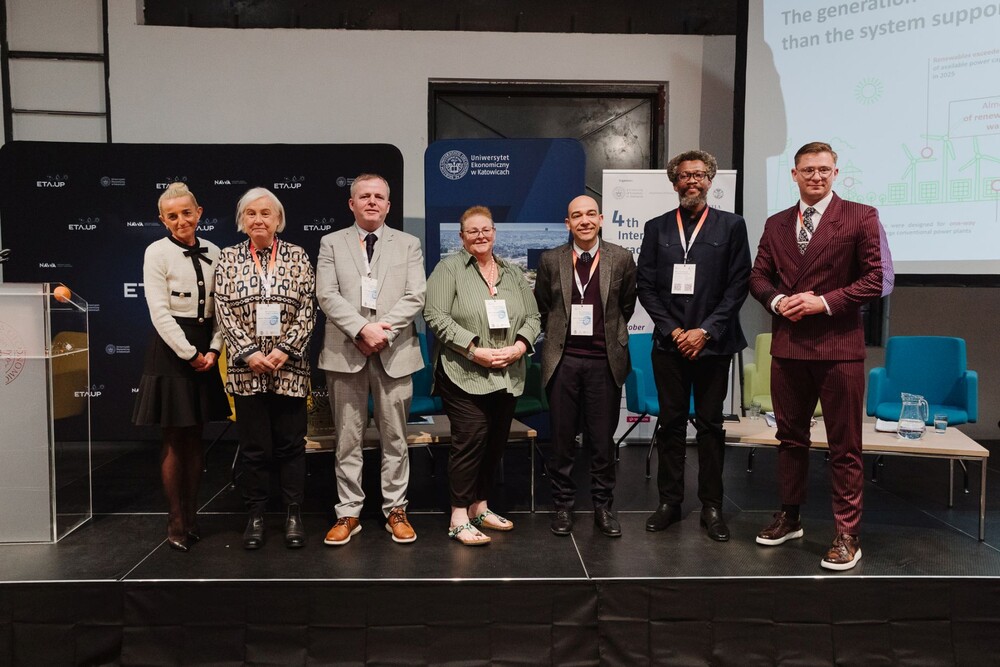
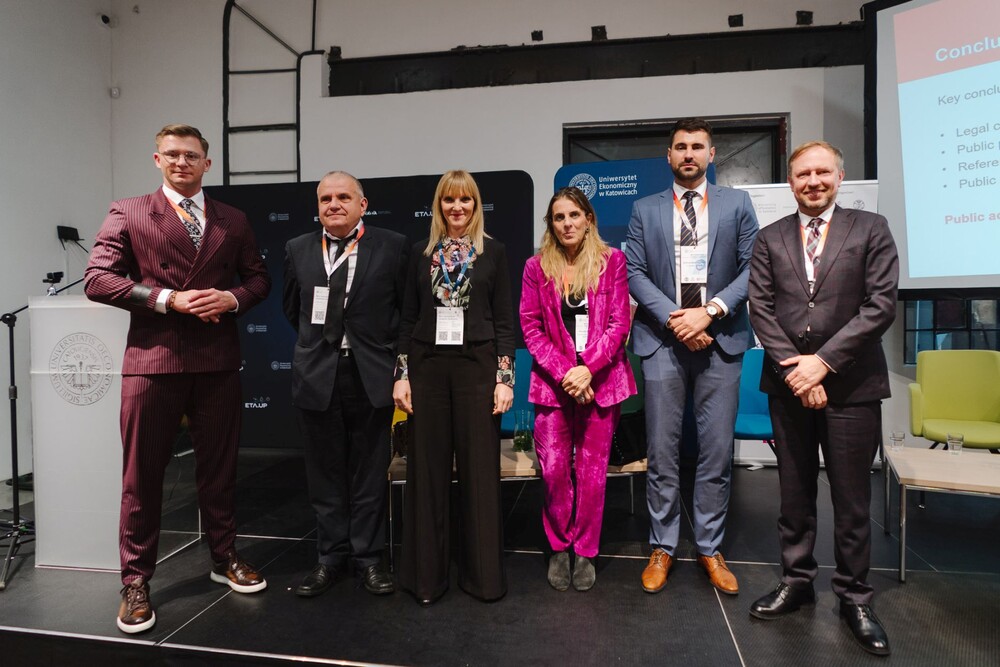
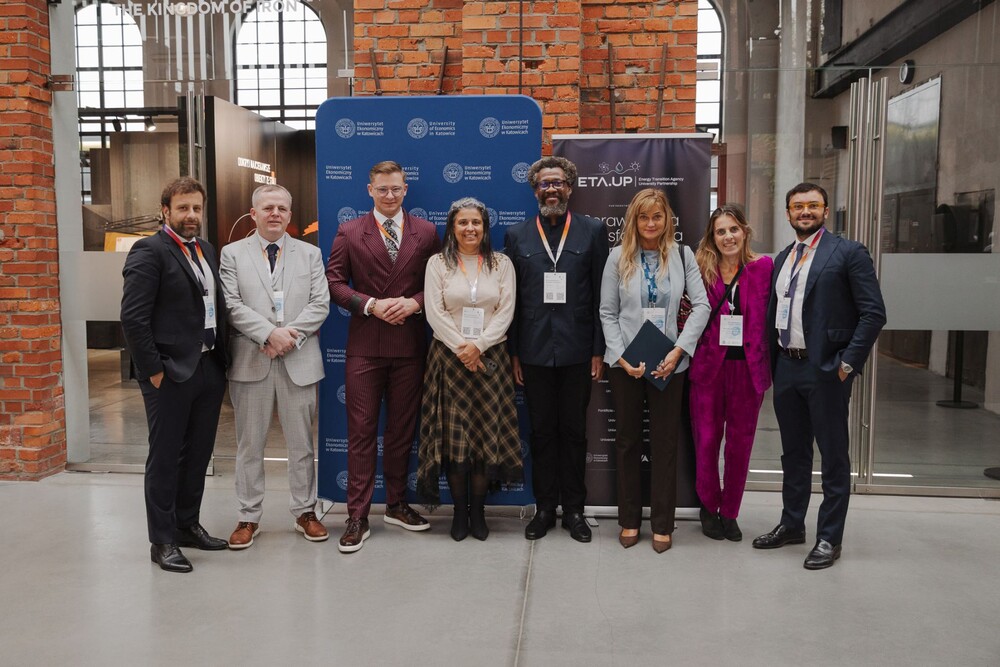
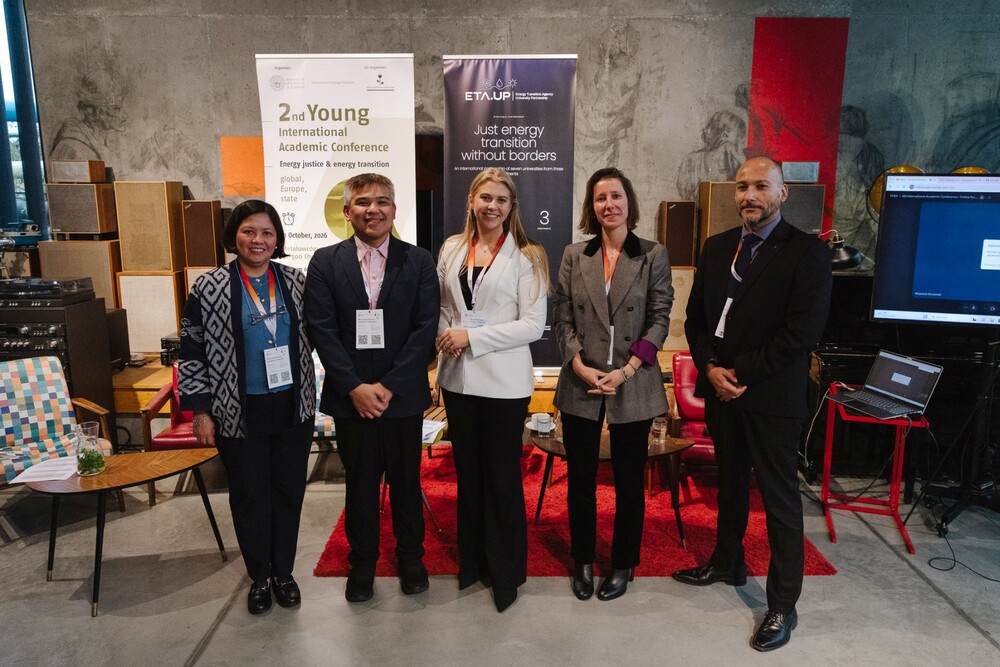
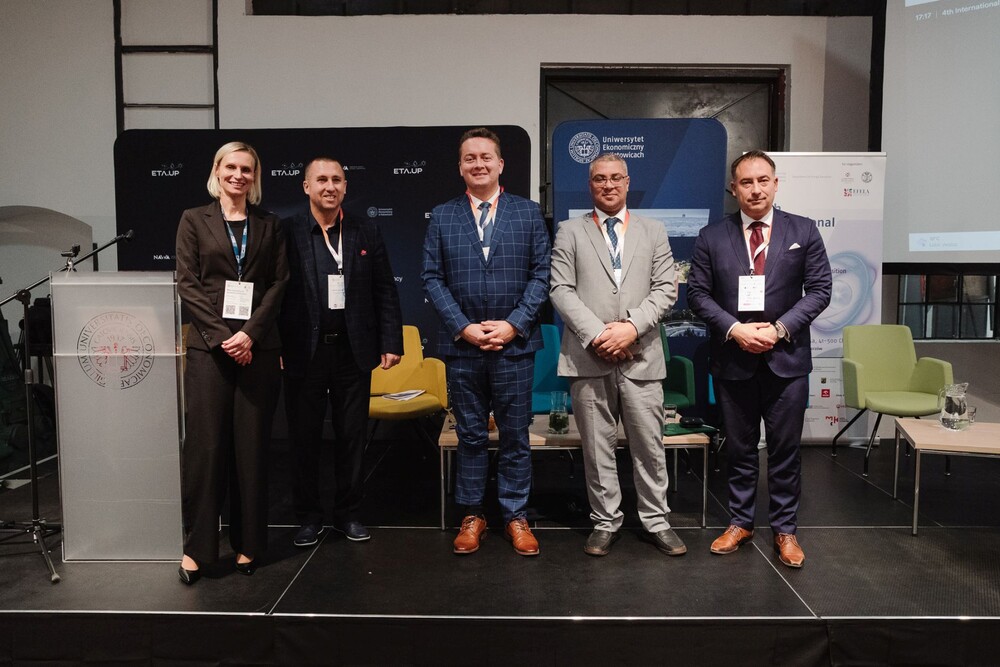
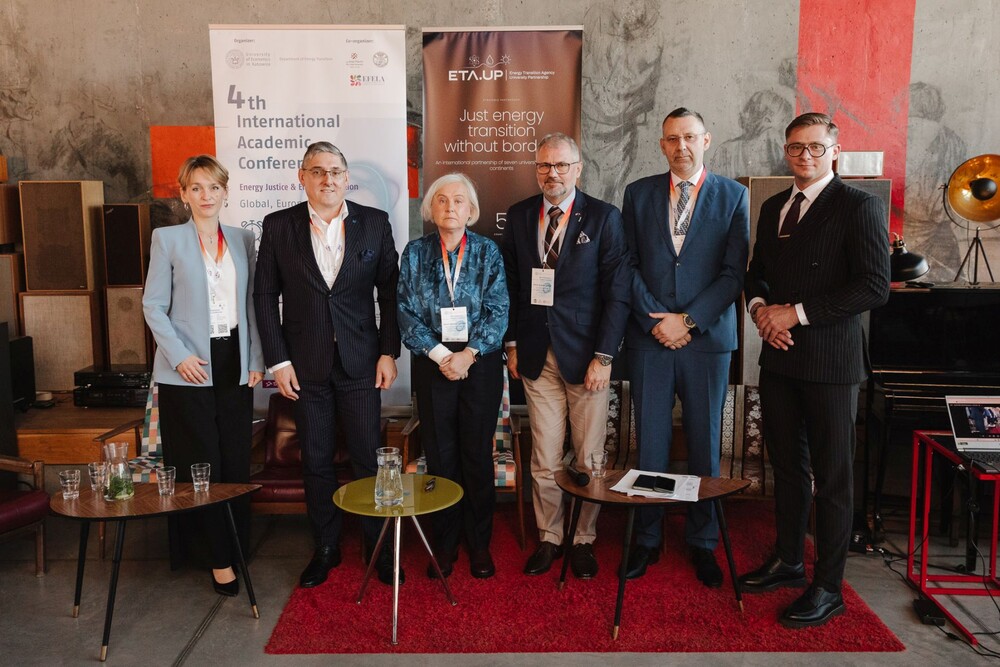
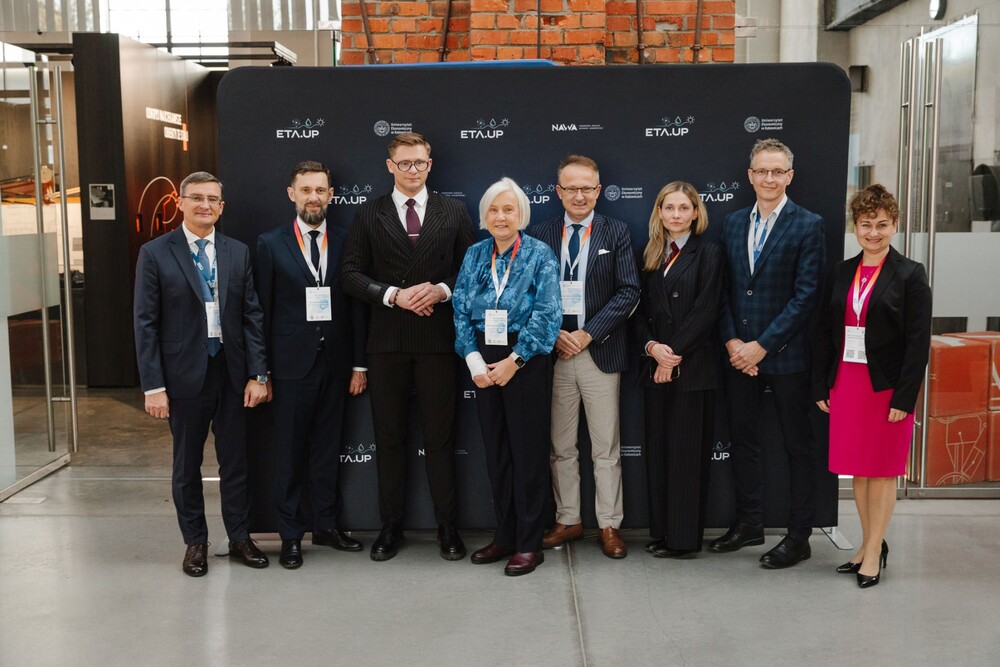
The opening brought together representatives of the conference’s international co-organisers, including Marinella De Focatiis from EFELA, Professor Raphael J. Heffron from Abu Dhabi University and Professor Katarzyna Gromek-Broc from the University of Pavia.
Six Continents, One Global Energy Challenge
The fourth edition of the conference demonstrated the increasingly global reach of the initiative developed at the University of Economics in Katowice.
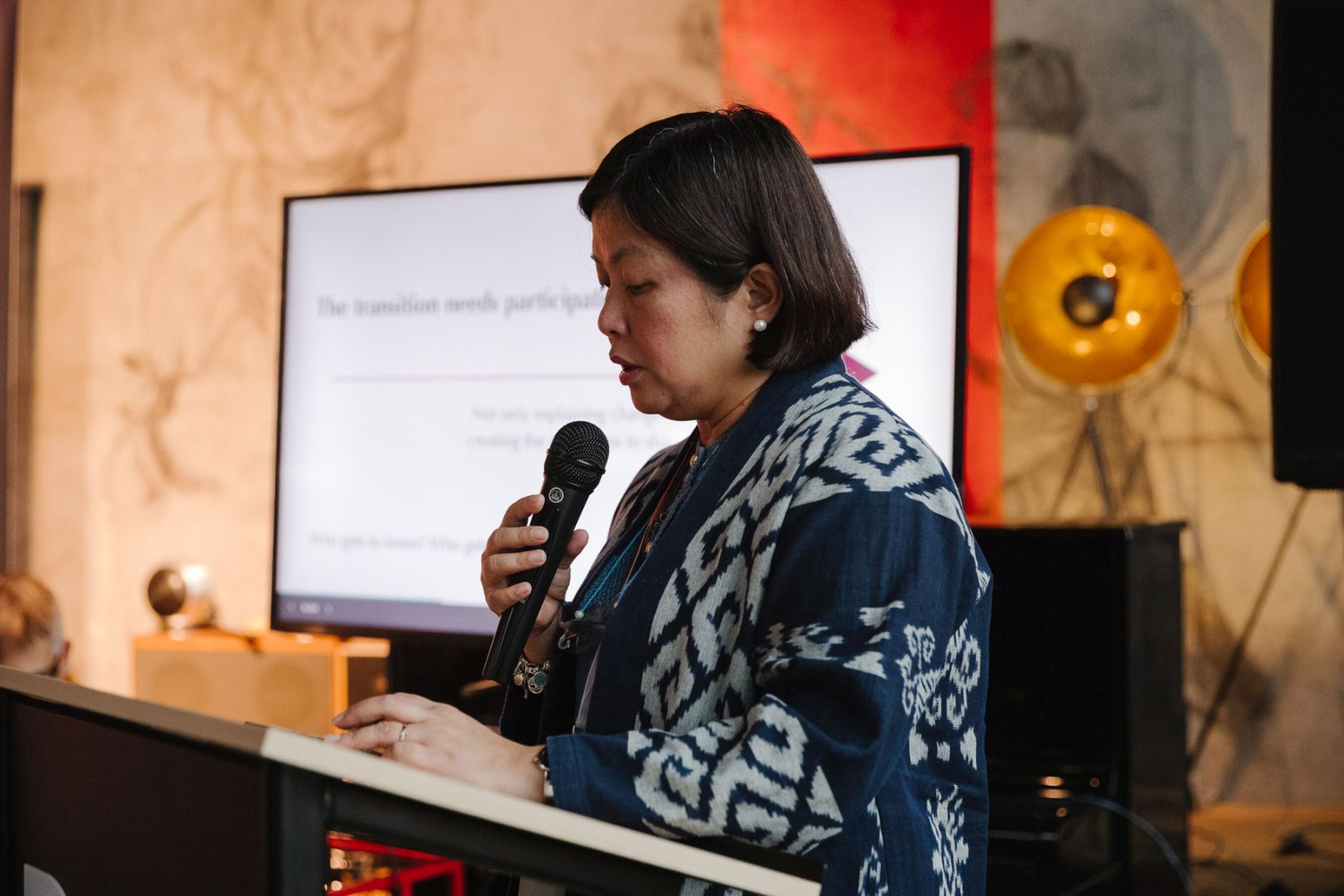
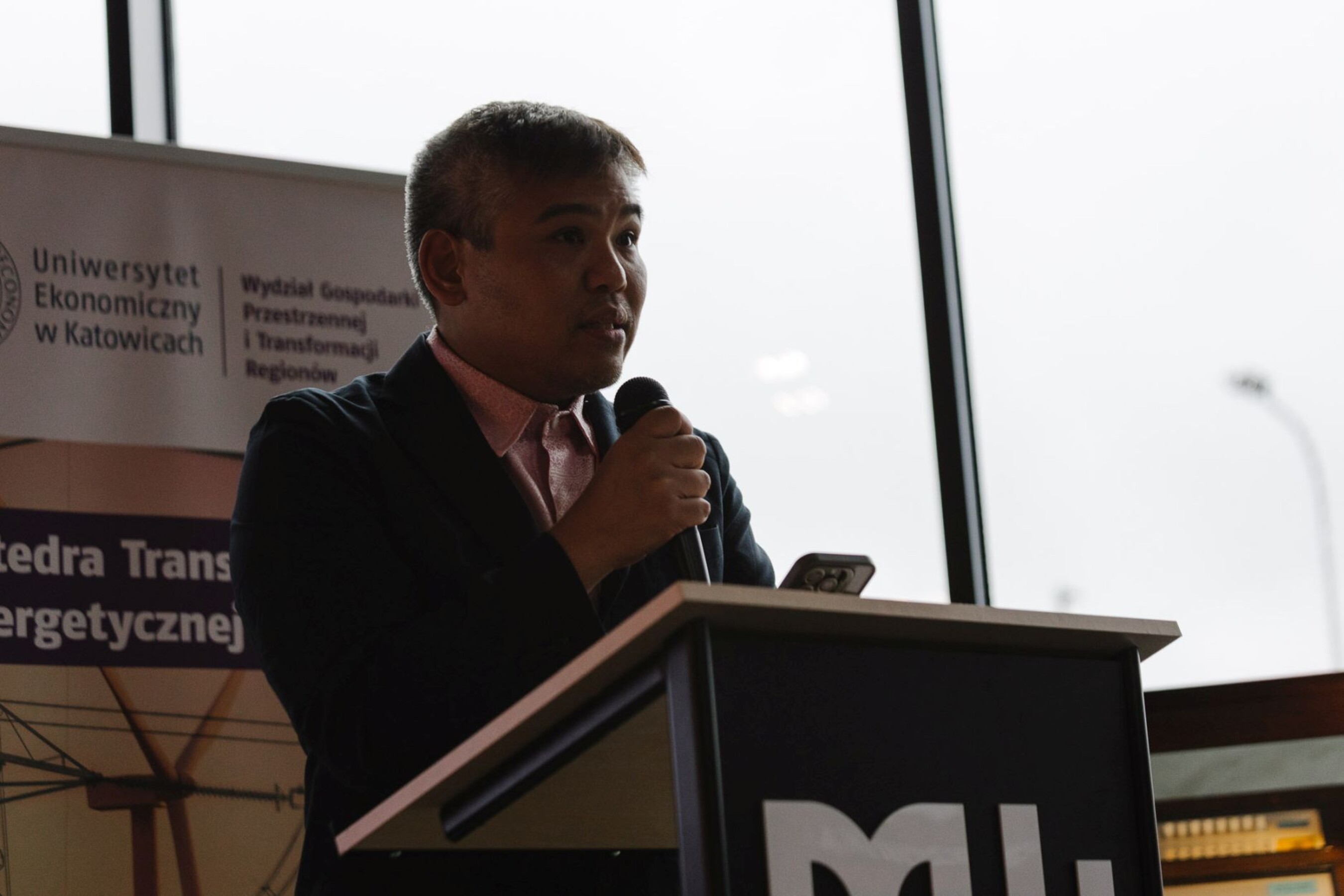
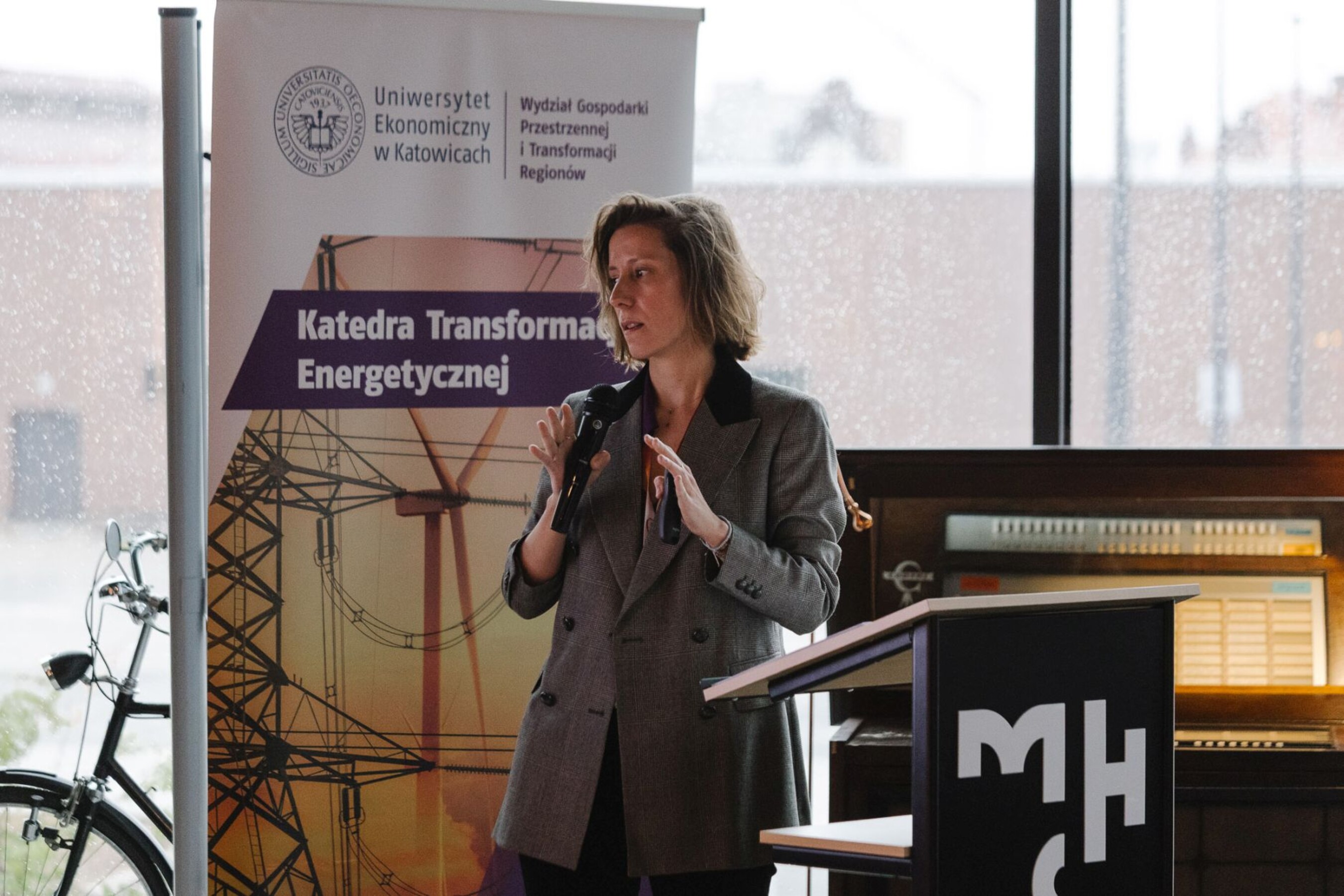
More than 60 speakers representing over 20 countries across six continents contributed to the programme, bringing together perspectives from Europe, North and South America, Africa, Asia and Oceania.
The international community included scholars and experts from Australia, Canada, Chile, Colombia, Brazil, the United States, the United Arab Emirates, Saudi Arabia, the Philippines, Egypt, the United Kingdom, Ireland, Italy, France, Germany, Belgium, Portugal, Spain, Finland, Lithuania, Hungary, the Czech Republic, Serbia, Slovenia, Ukraine, Türkiye and Poland, among others.
The diversity of participants made it possible to examine the energy transition from different geographical, economic, legal and social perspectives. Discussions addressed the challenges faced by highly industrialised economies, emerging energy markets and countries where access to affordable and reliable energy remains a fundamental development priority.
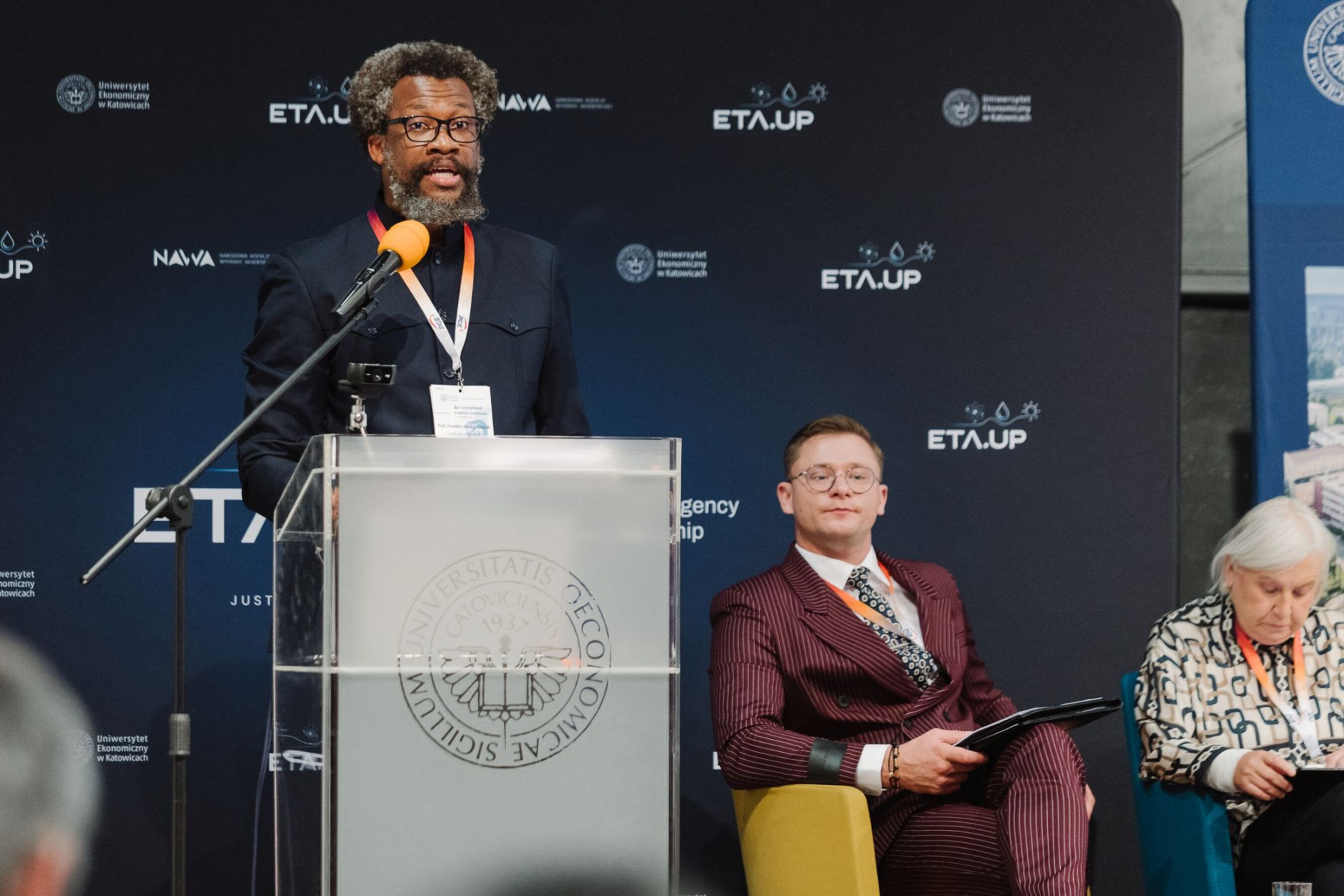
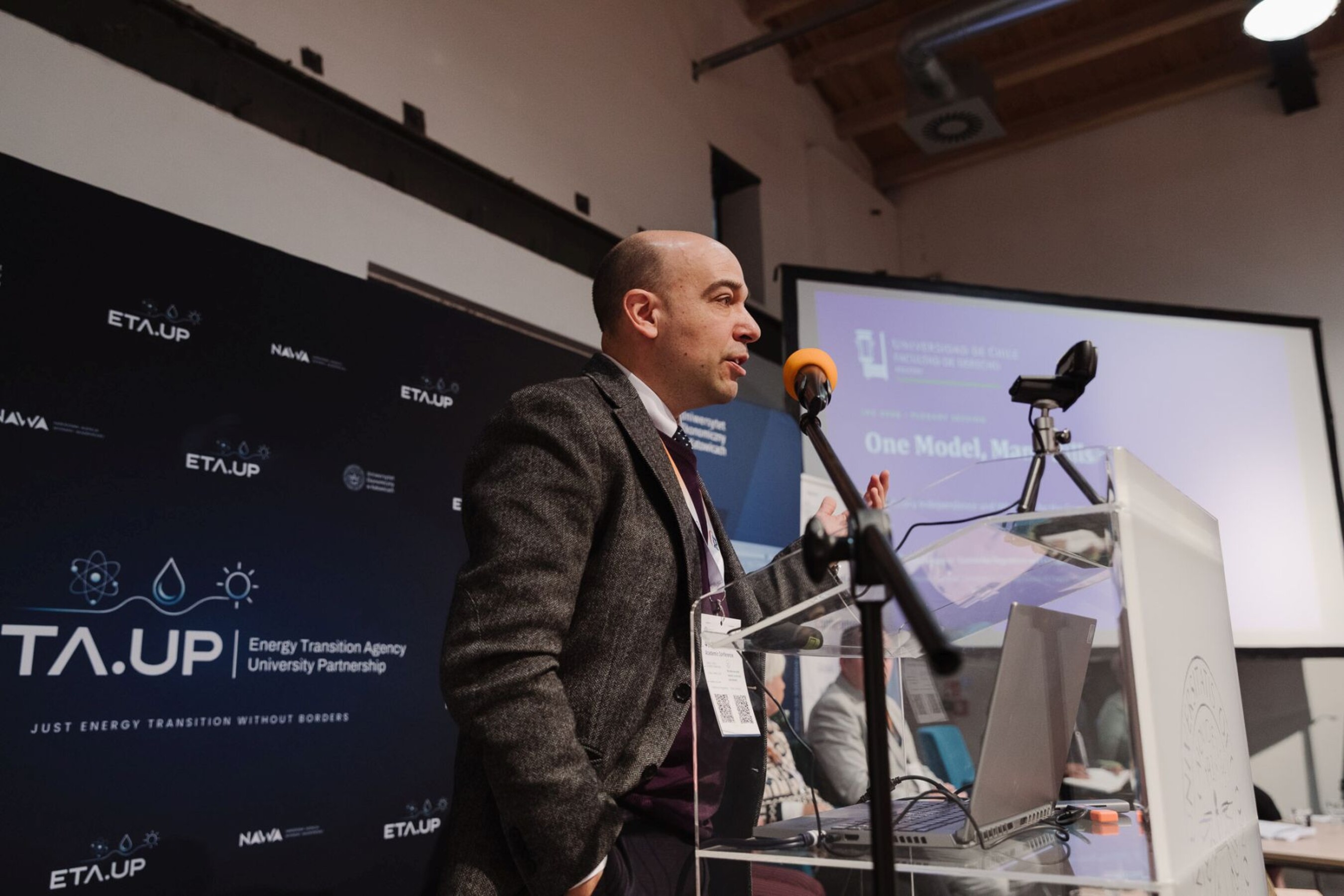
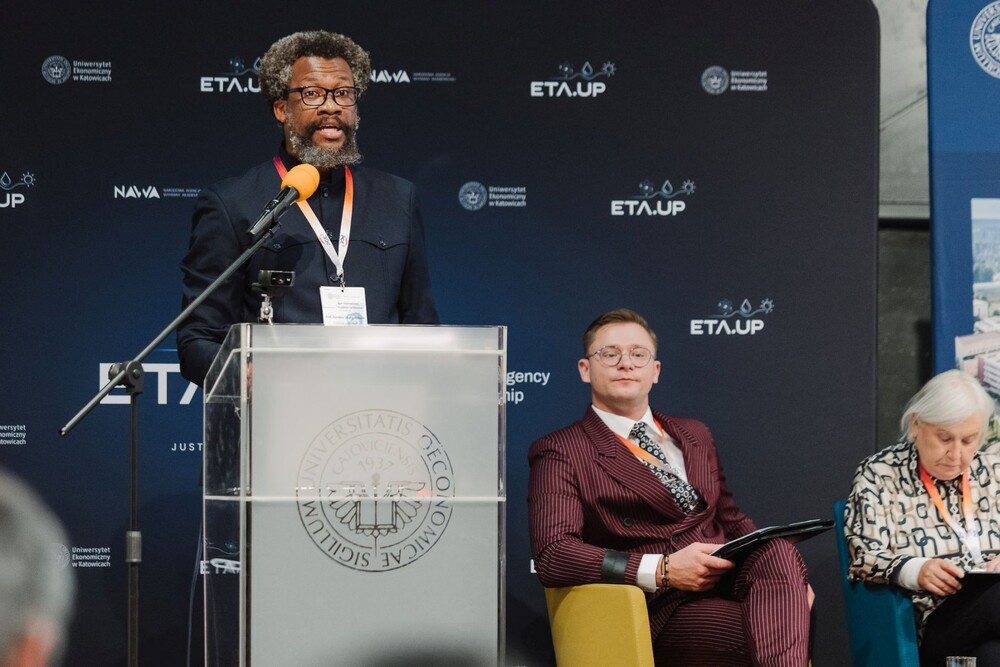
The international programme featured distinguished academics, including Professor Raphael J. Heffron (Abu Dhabi University), Professor Tina Soliman Hunter (Macquarie University, Australia), Professor Franklin Obeng-Odoom (University of Helsinki), Professor Ricardo Javier Bustos Salvagno (University of Chile), Professor Andrés Escobar (University of Cartagena) and Professor Aoife M. Foley (University of Manchester), alongside researchers from numerous other international universities and institutions.
The conference combined in-person presentations with selected online contributions, enabling researchers from different regions of the world to participate in the academic discussions.
Energy Justice, Nuclear Energy and Artificial Intelligence
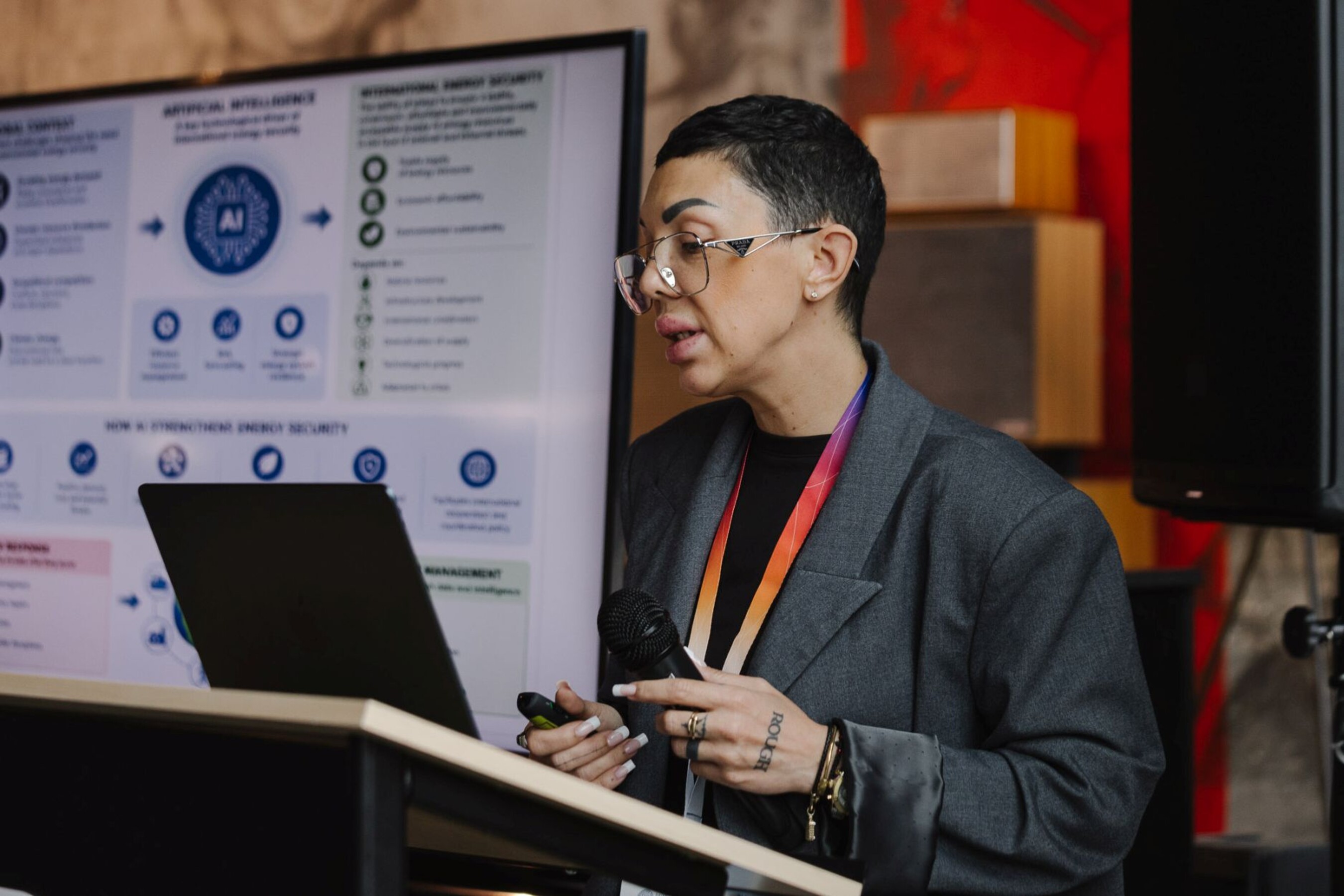
The first day, conducted in English, focused on three major thematic areas: the global dimension of the energy sector and energy transition; nuclear energy and long-term energy security; and digitalisation, artificial intelligence and the future of energy.
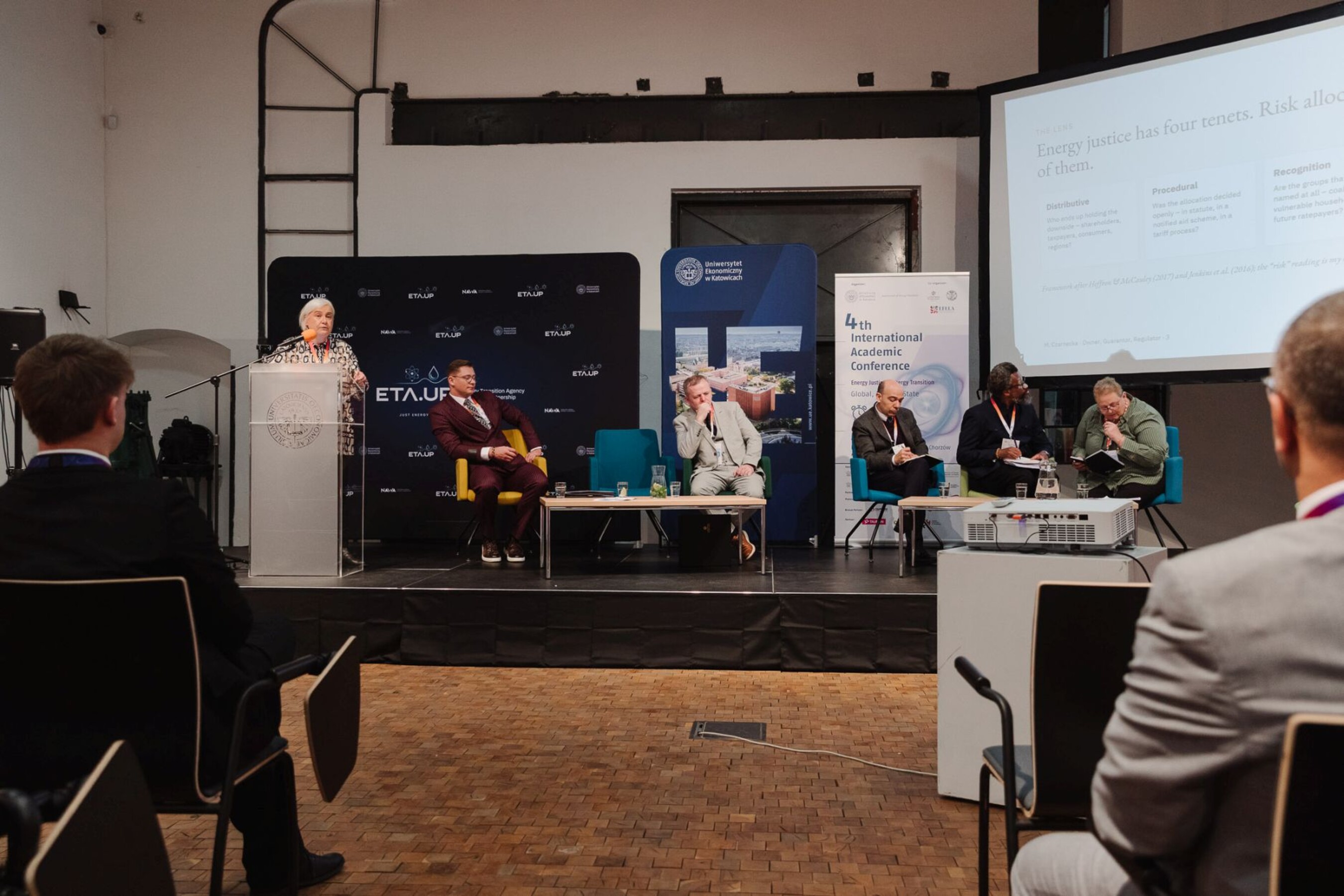
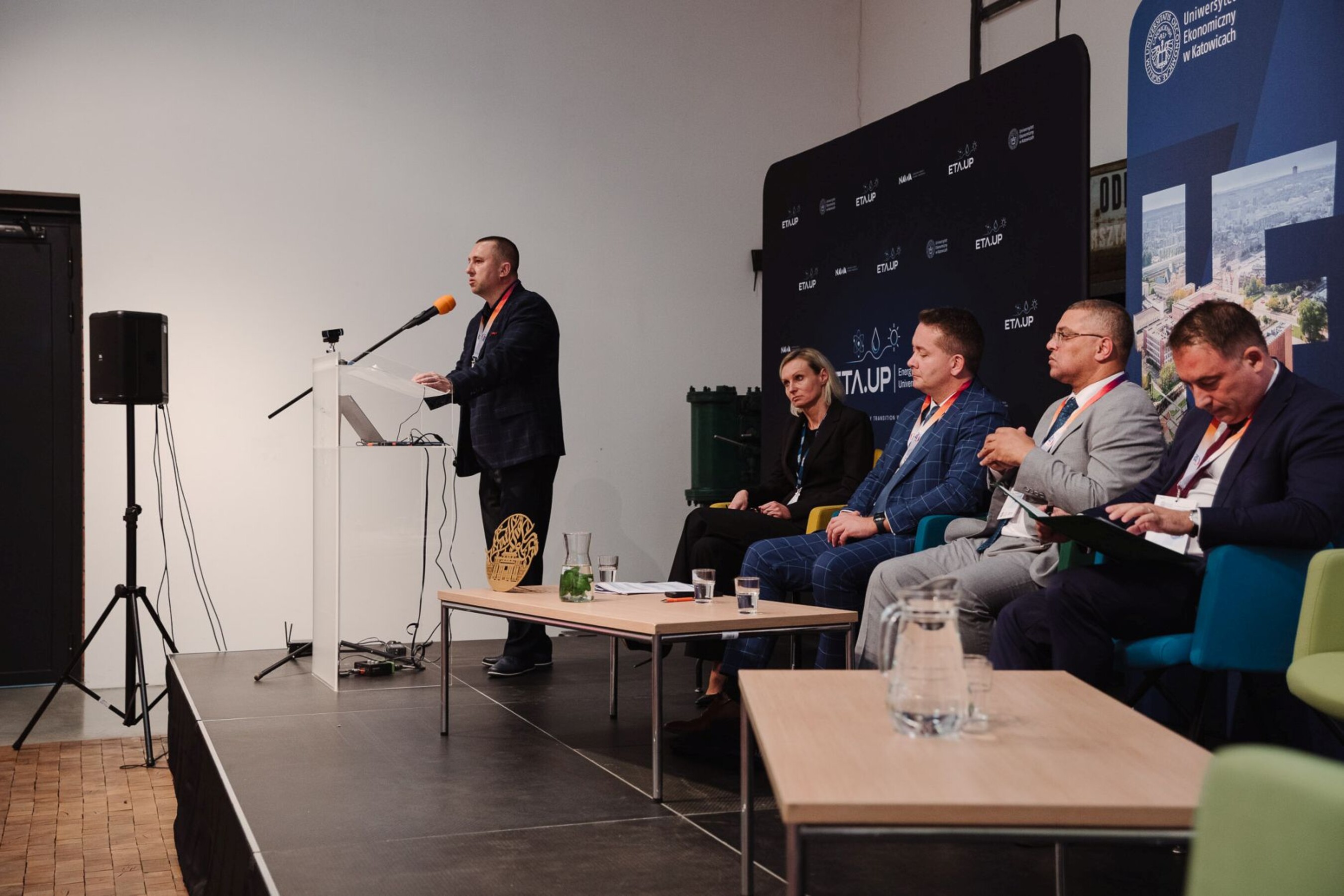
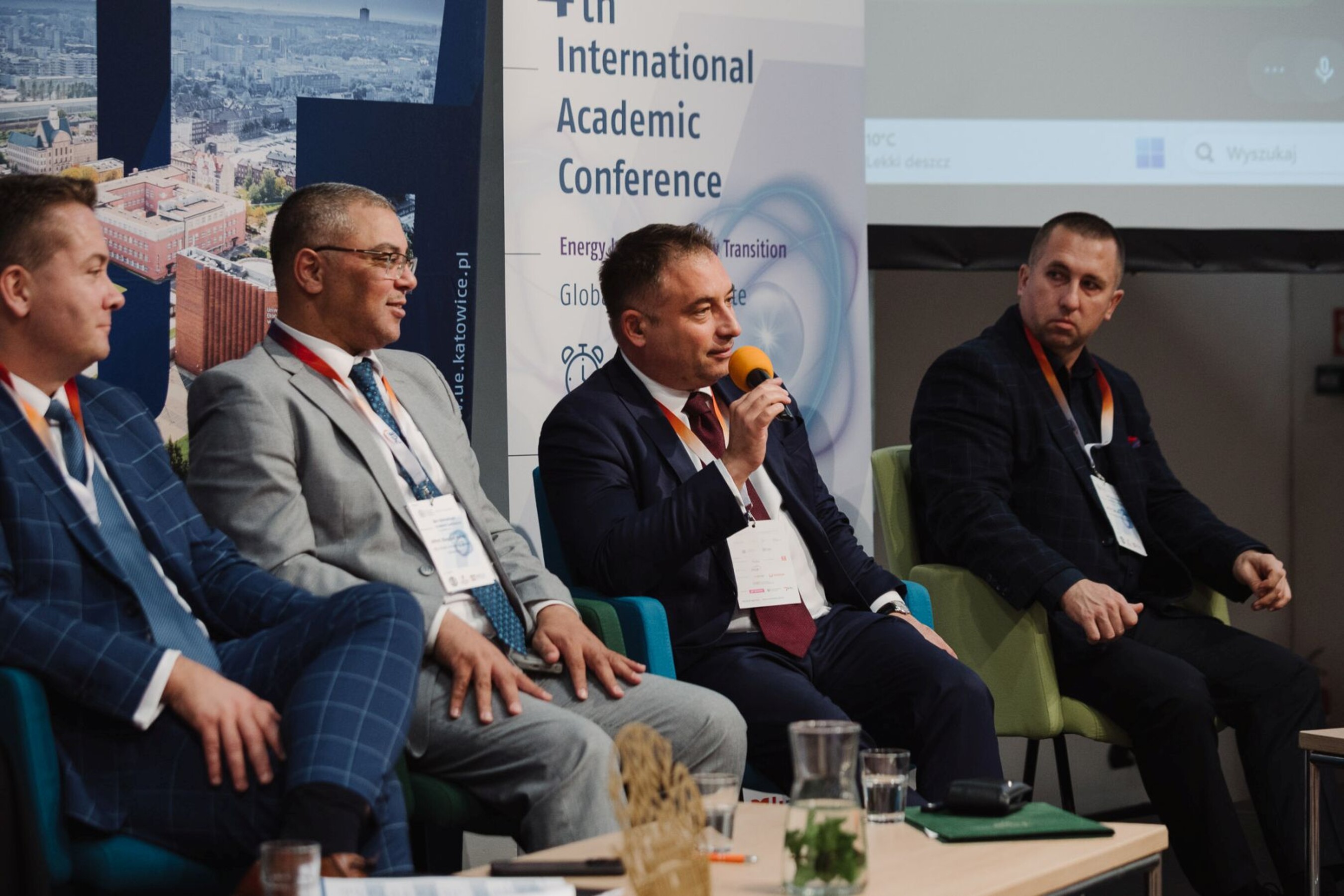
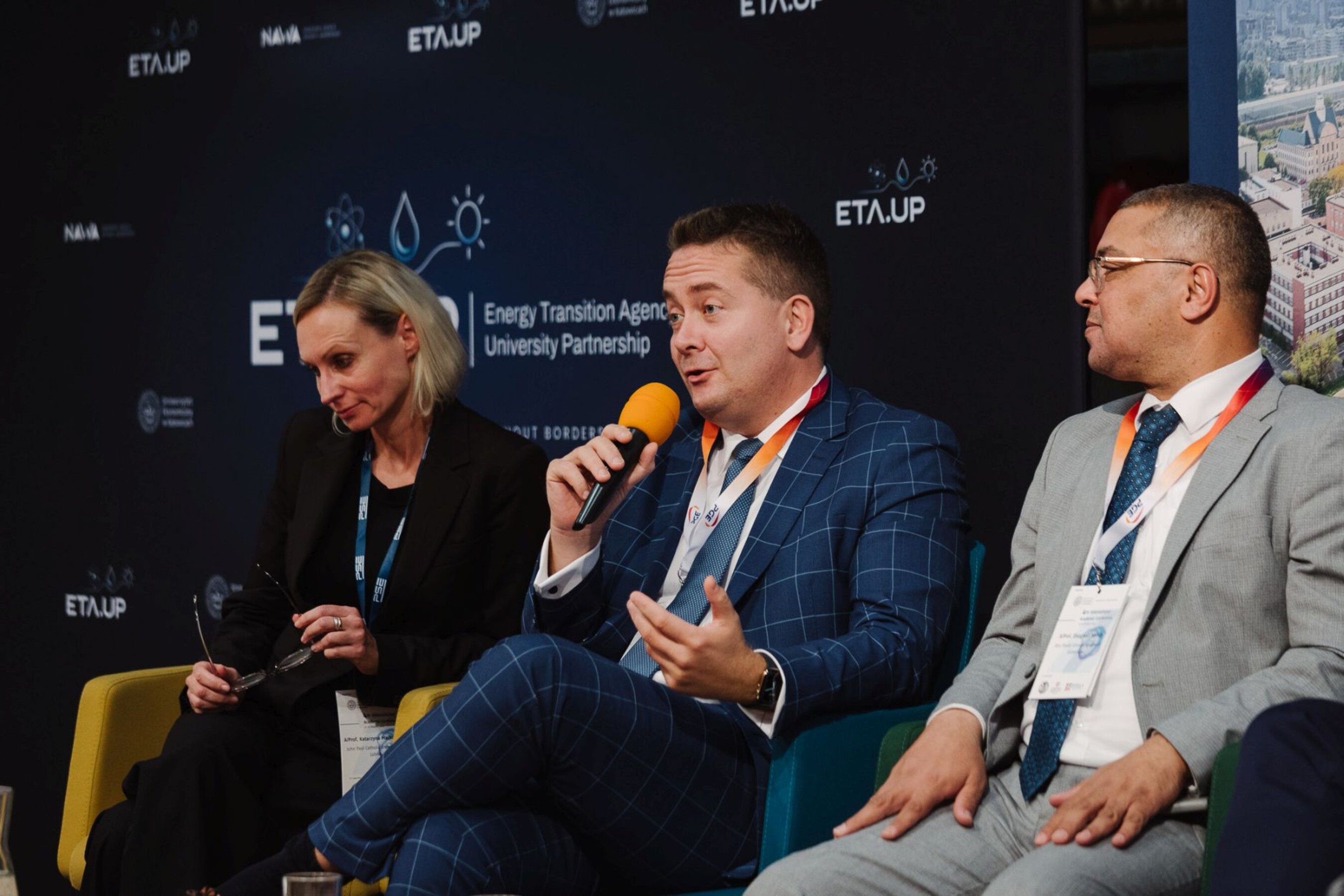
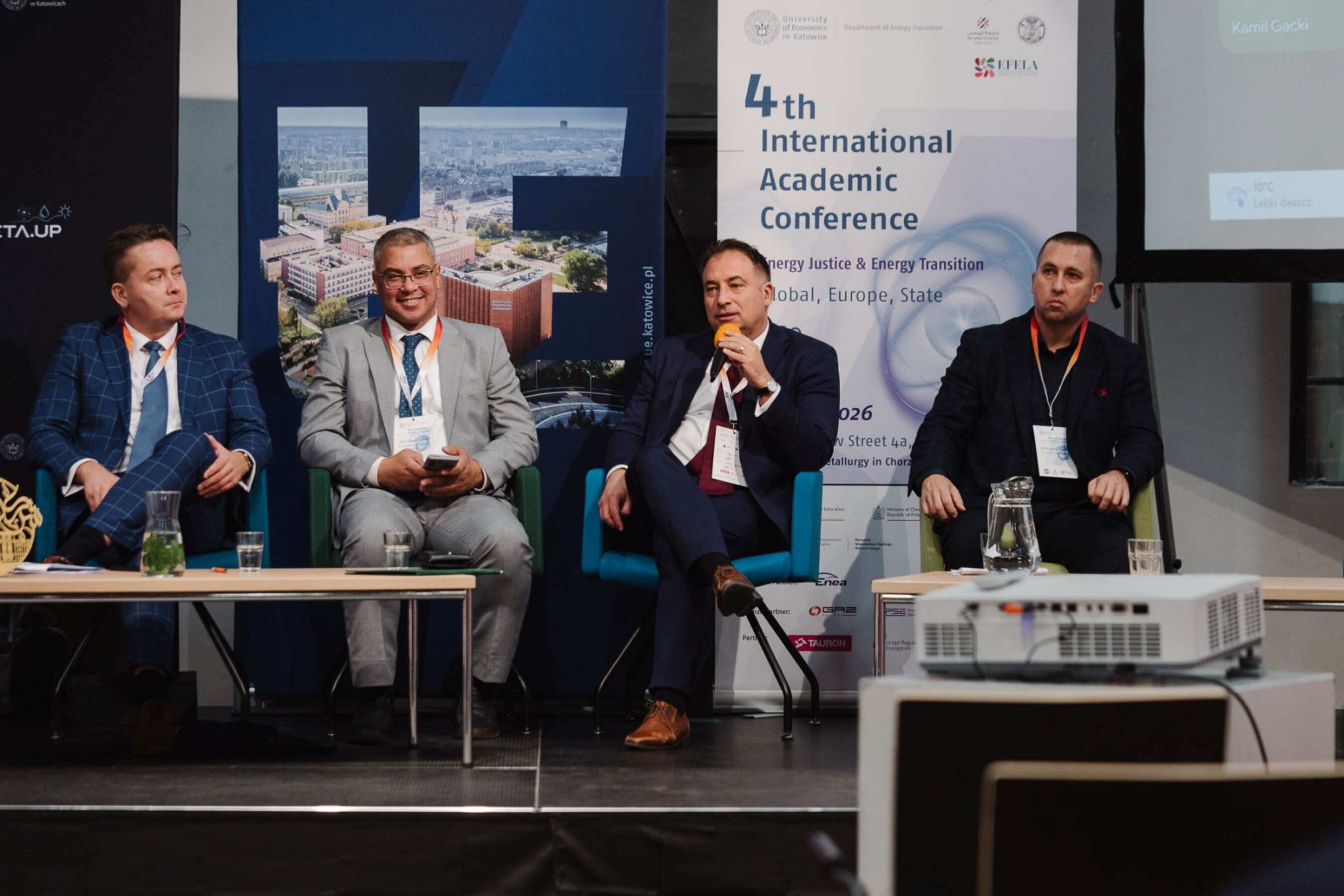
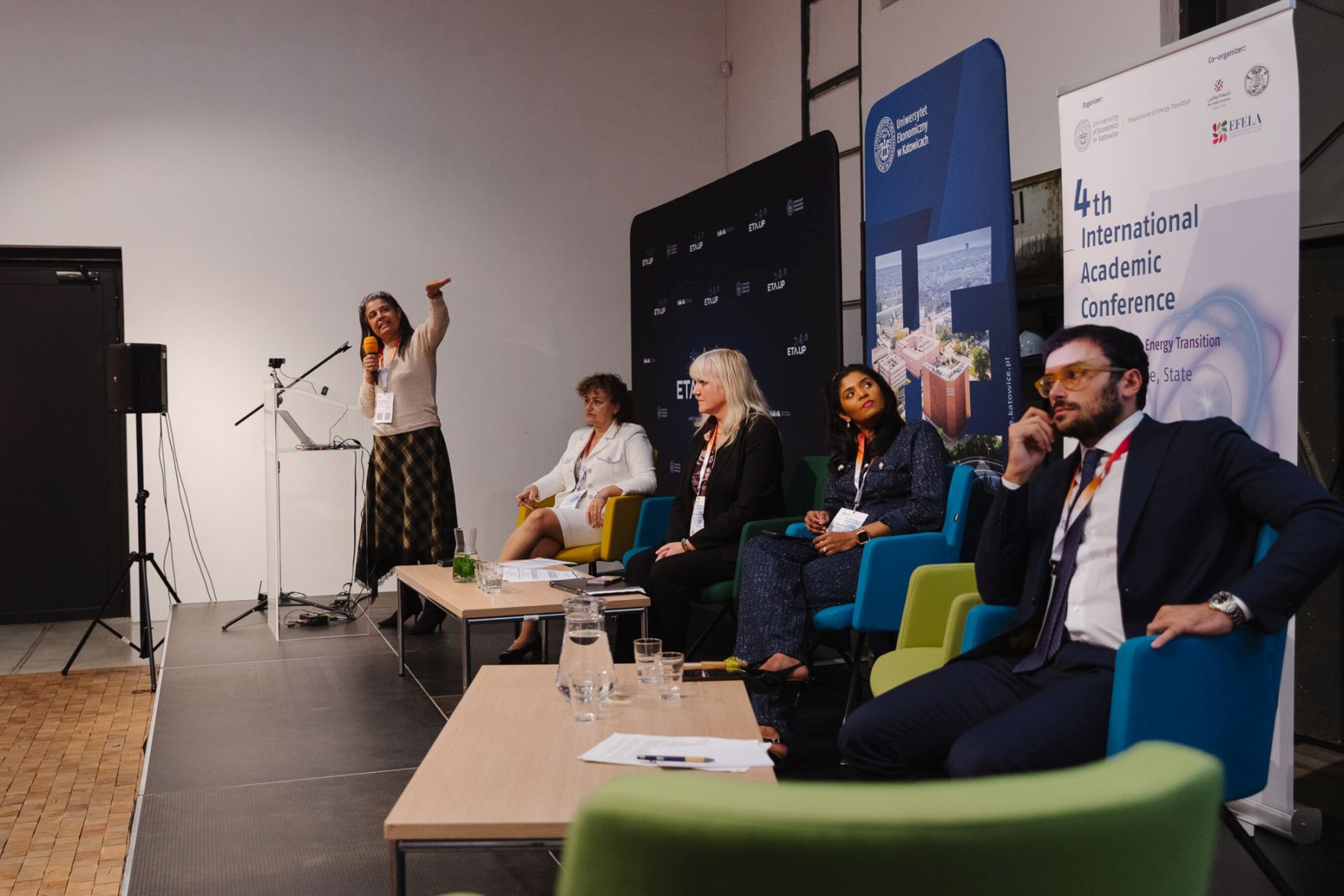
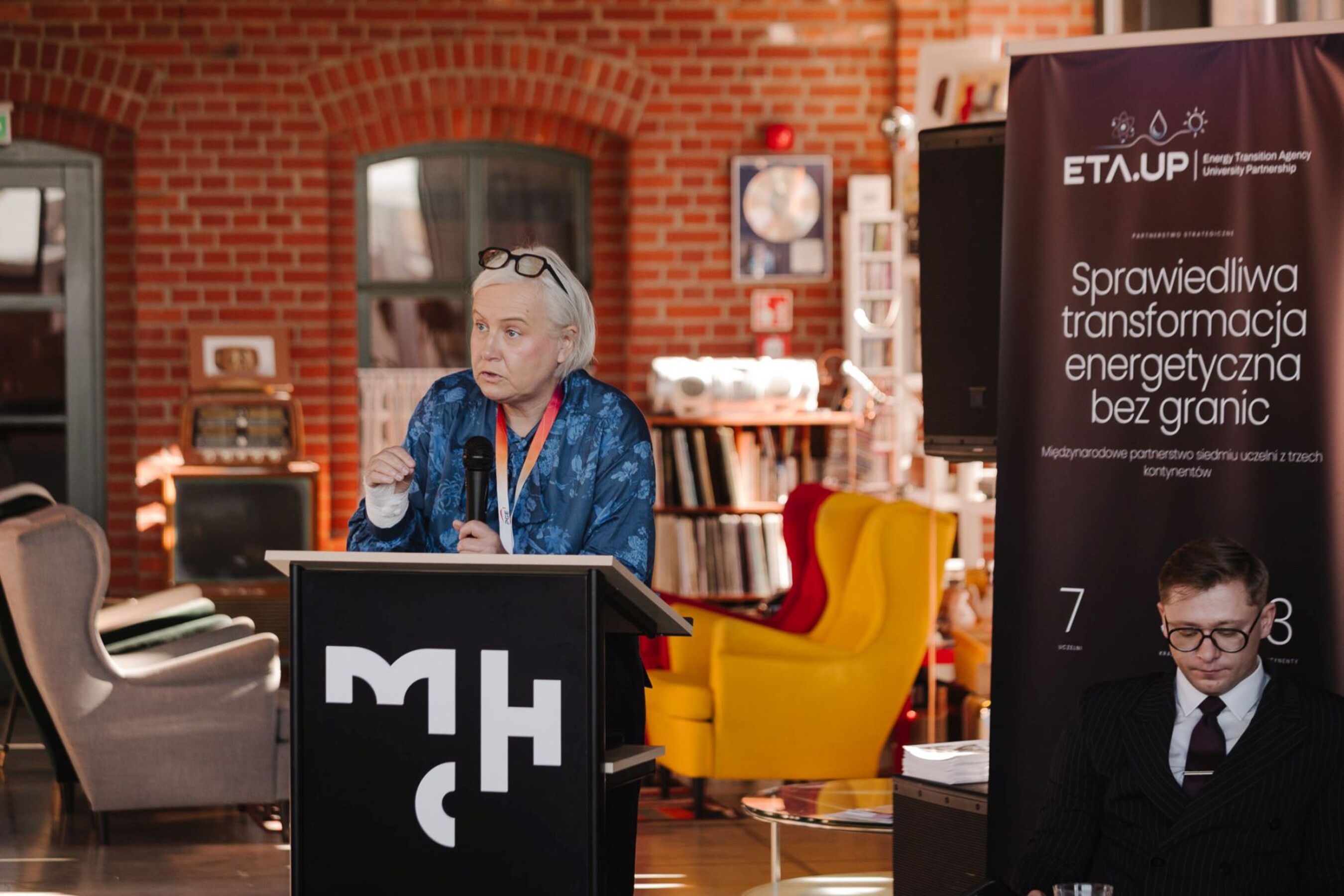
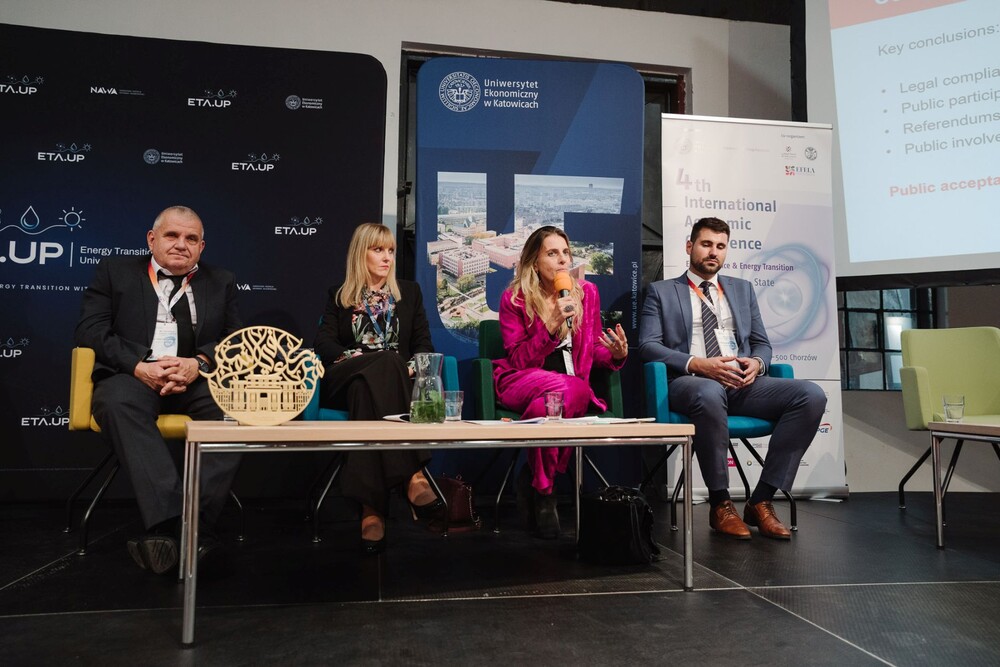
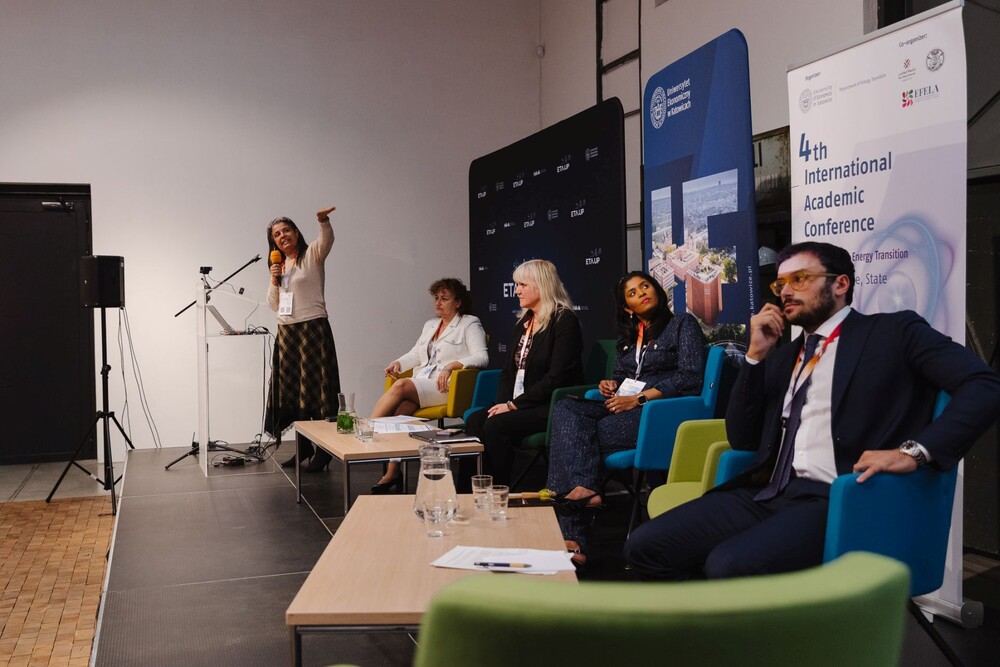
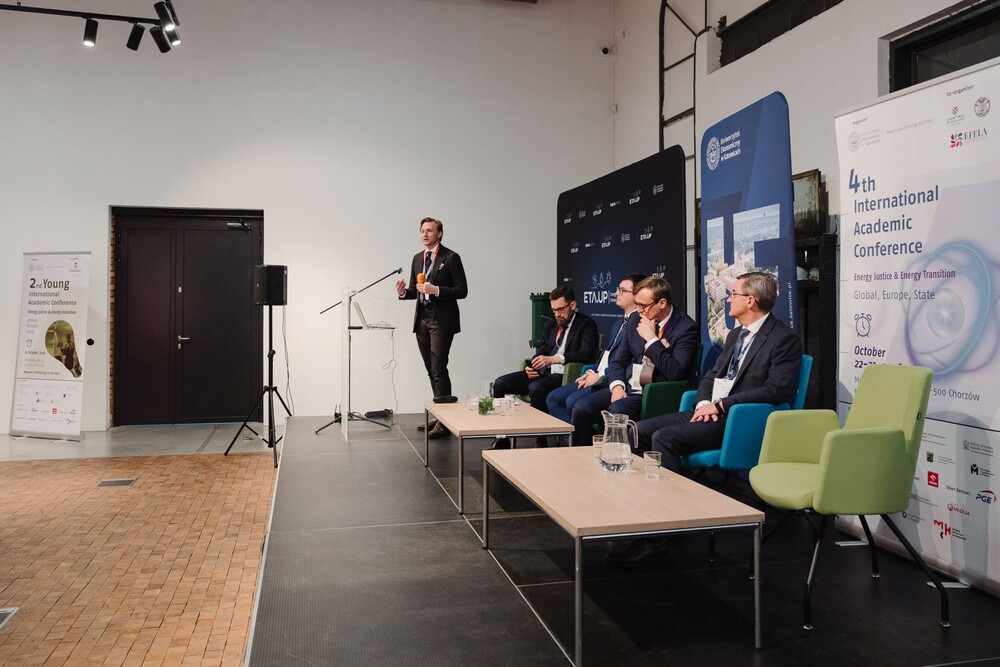
The opening plenary session, “The Global Dimension of the Energy Sector and Energy Transition”, was chaired by Dr Marcin Kraśniewski.
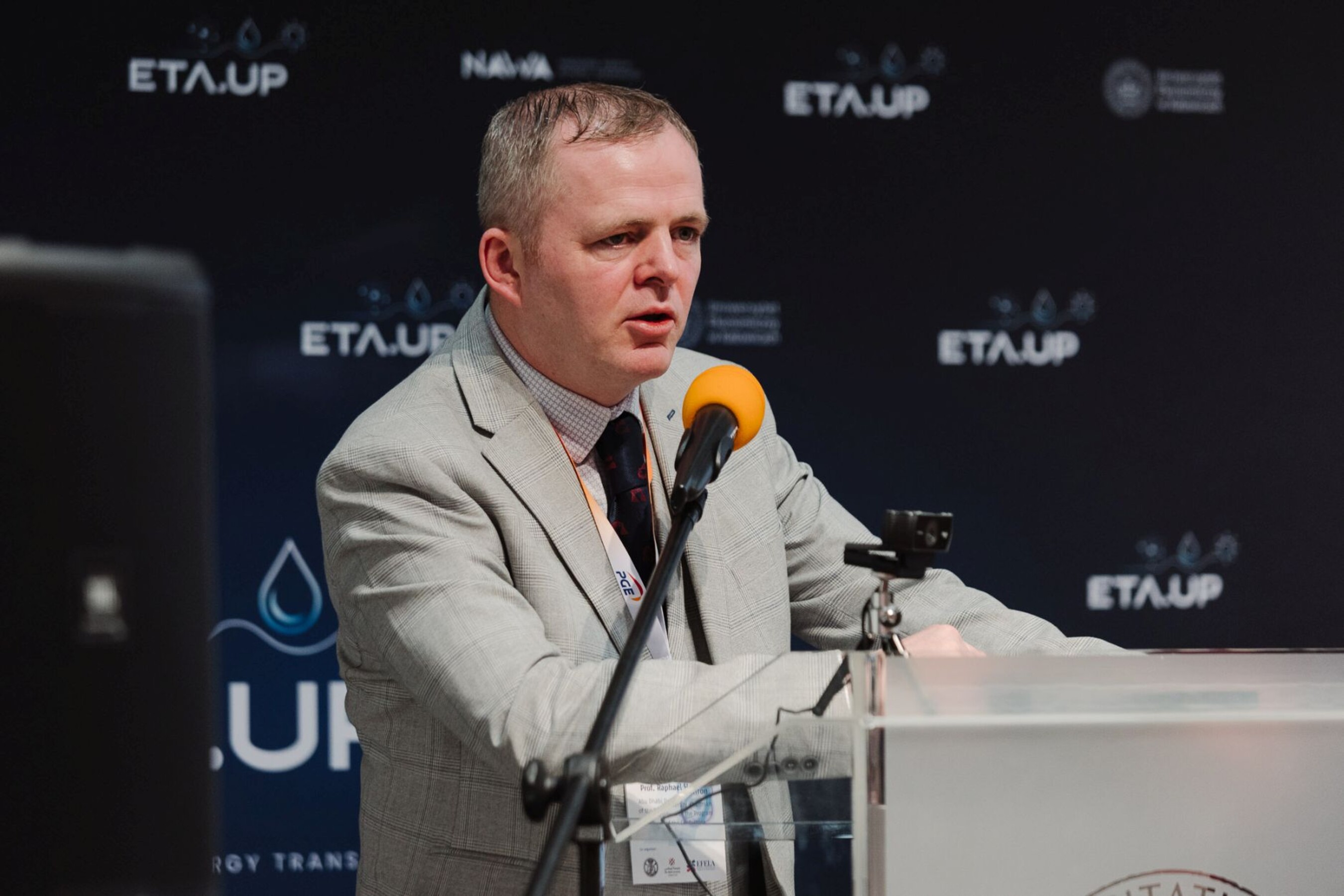
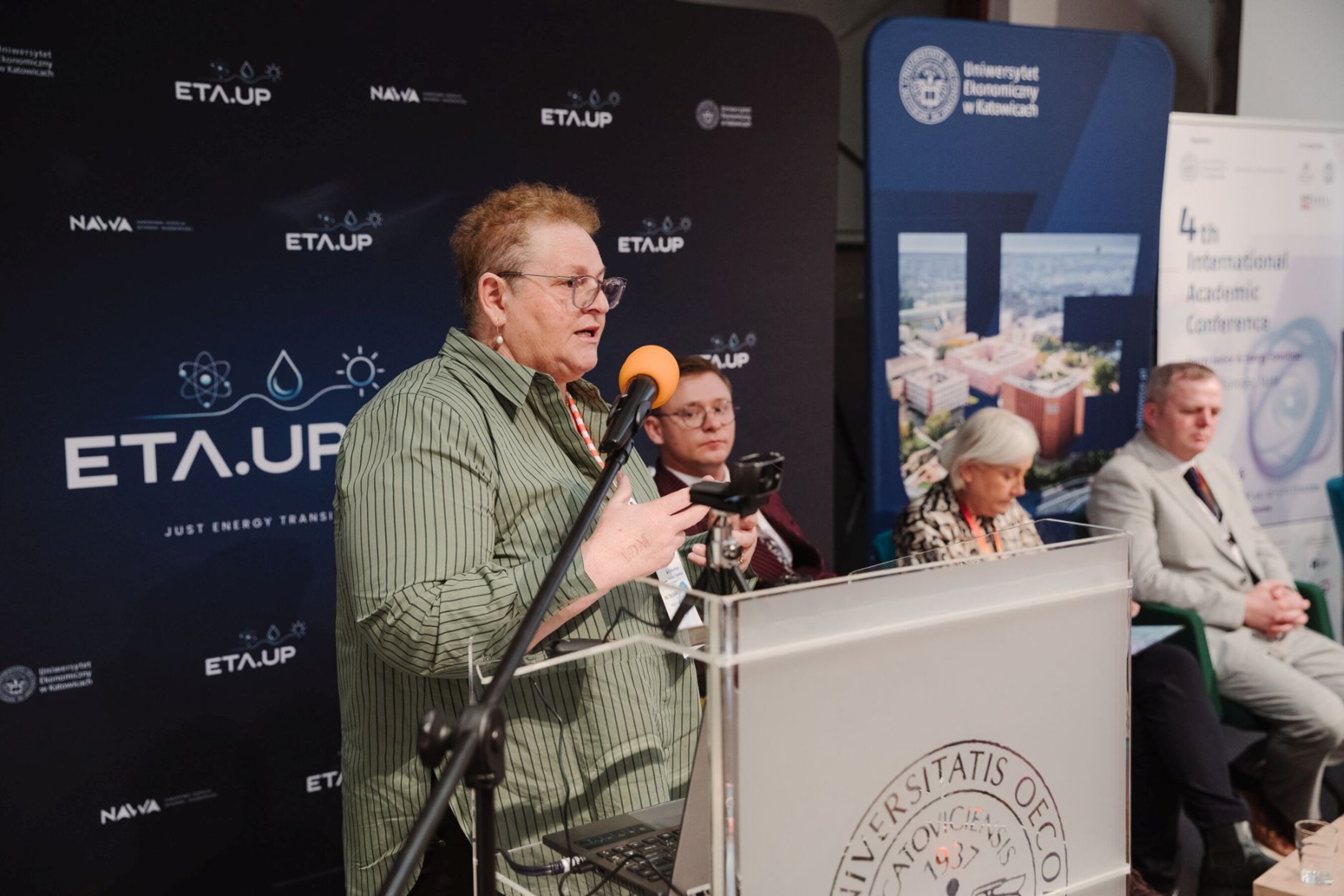
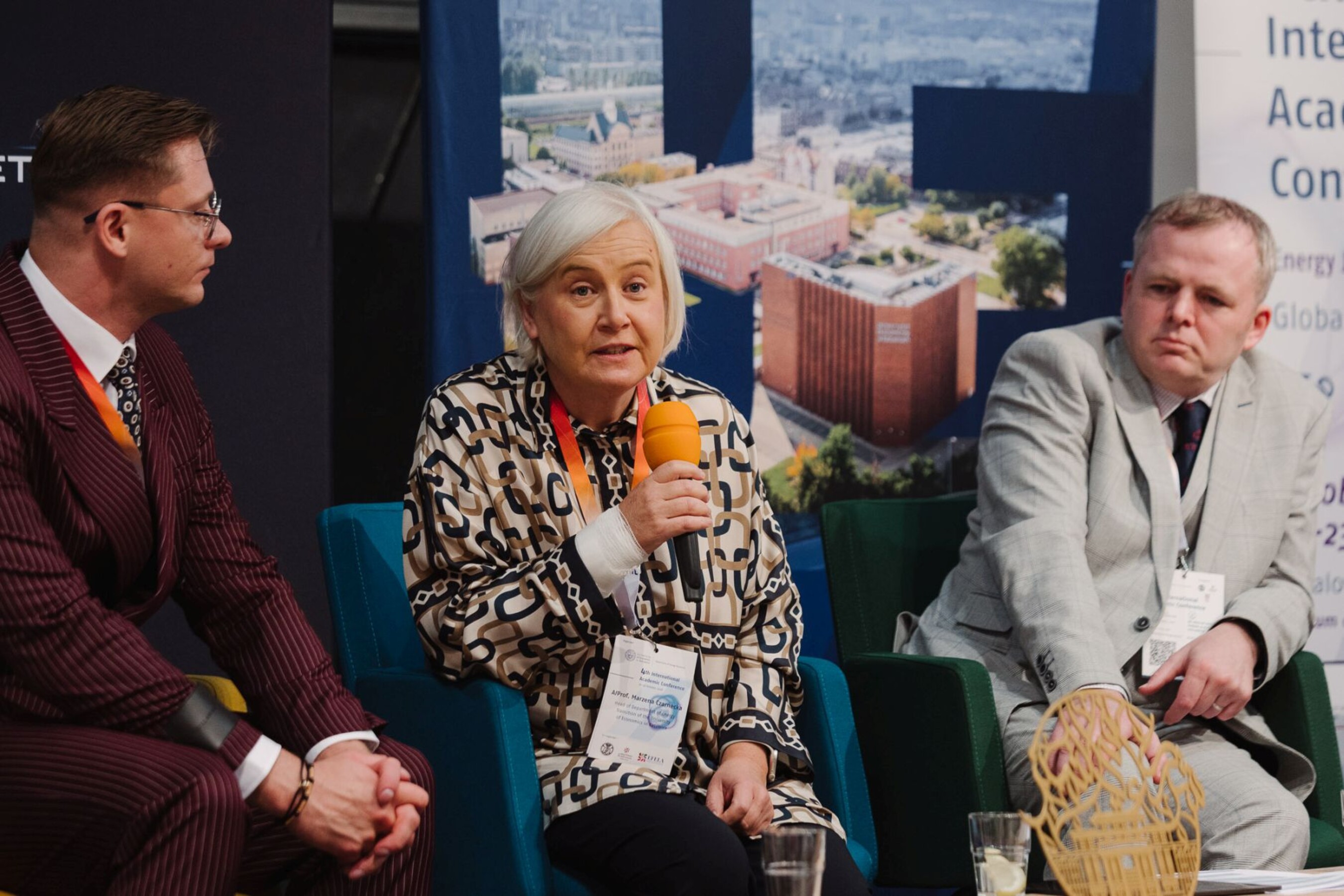
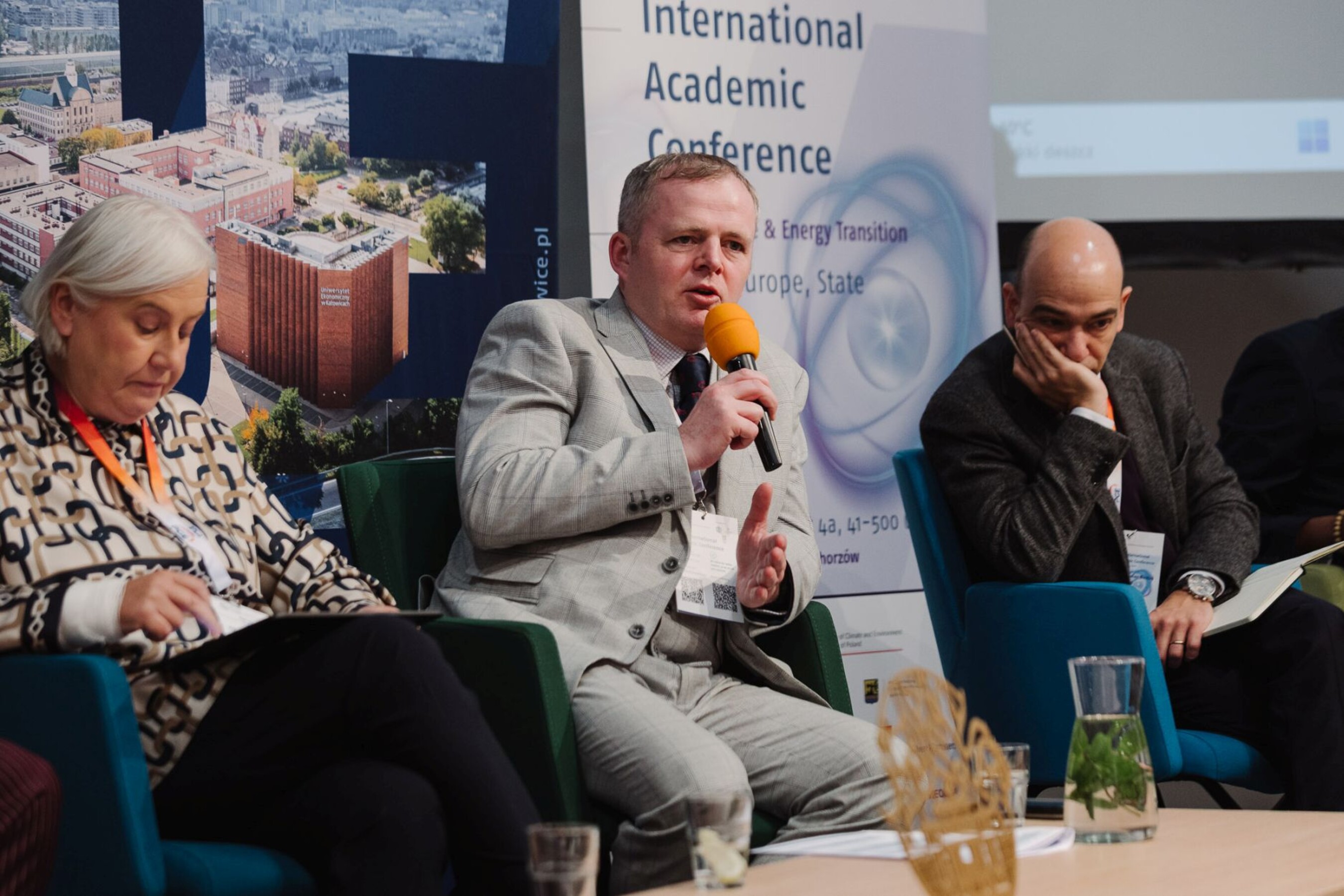
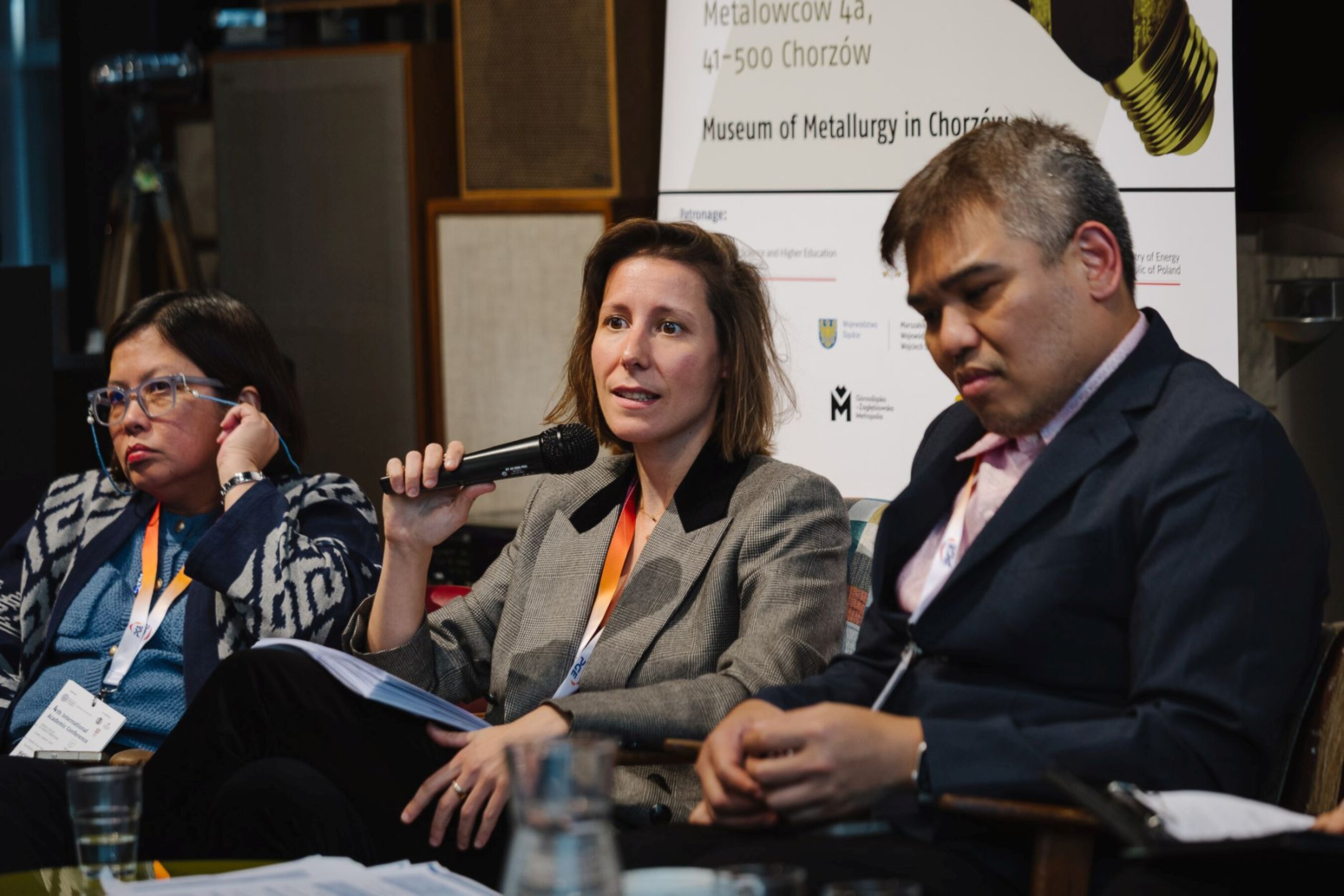
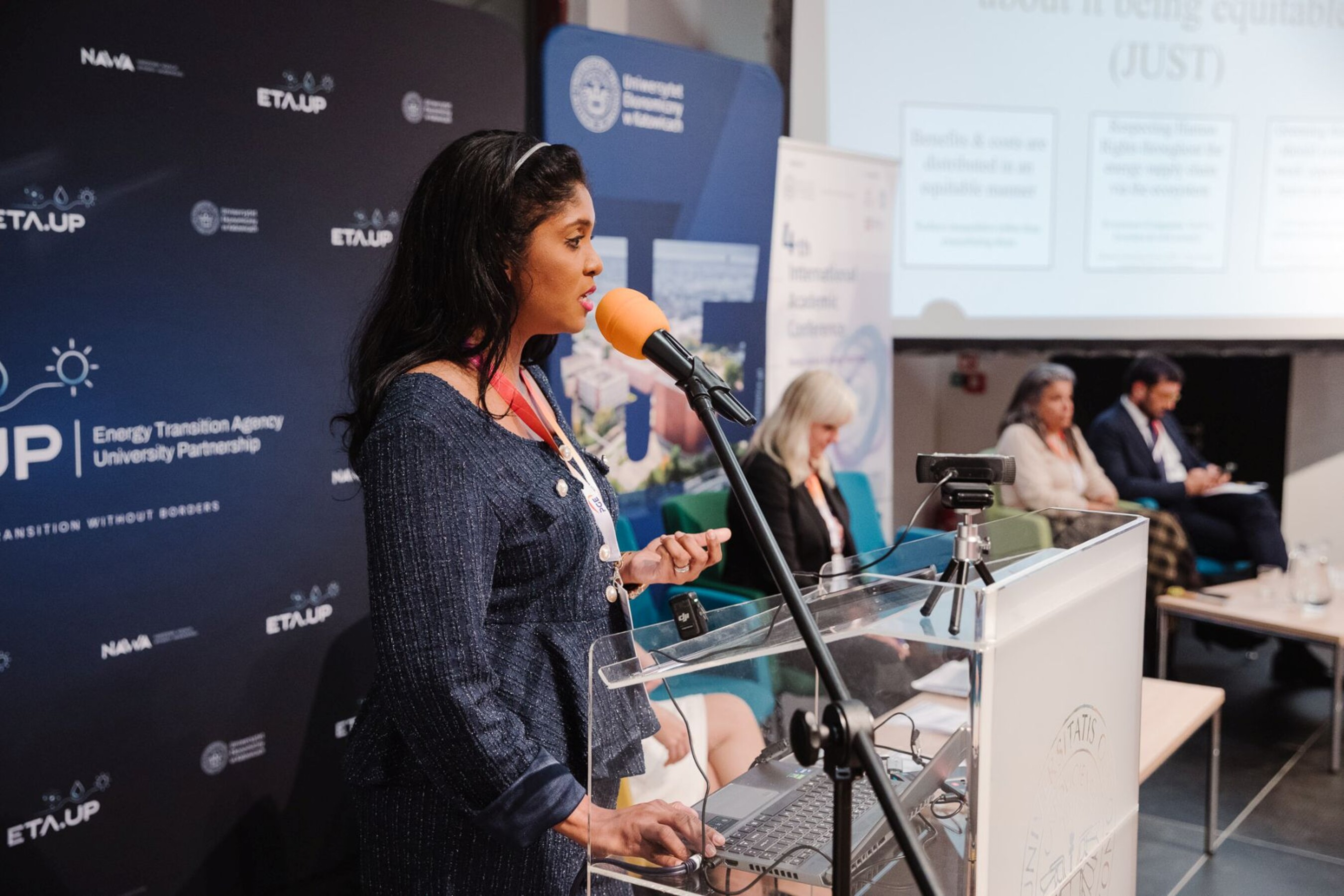
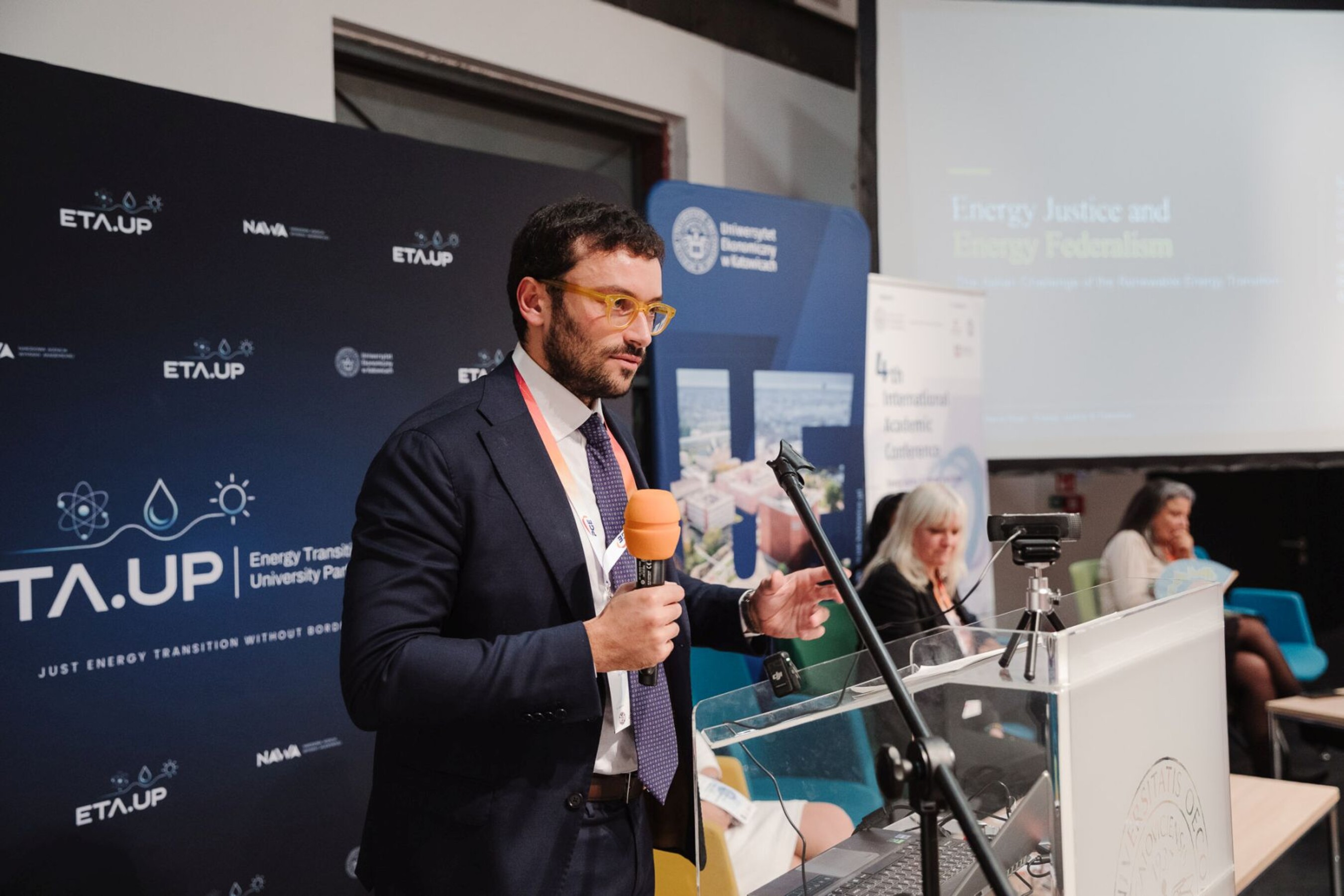
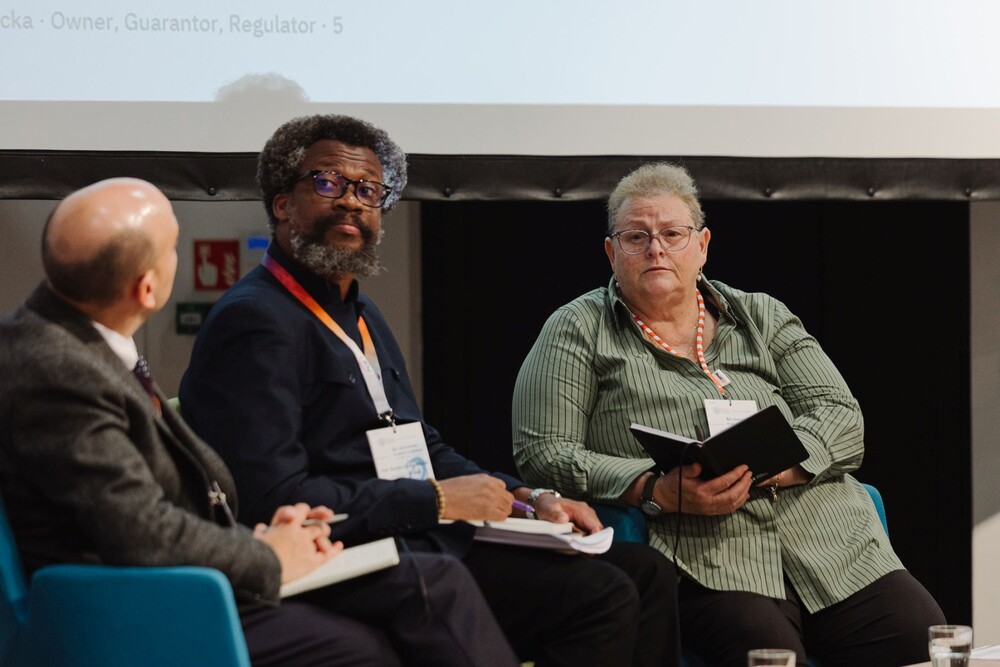
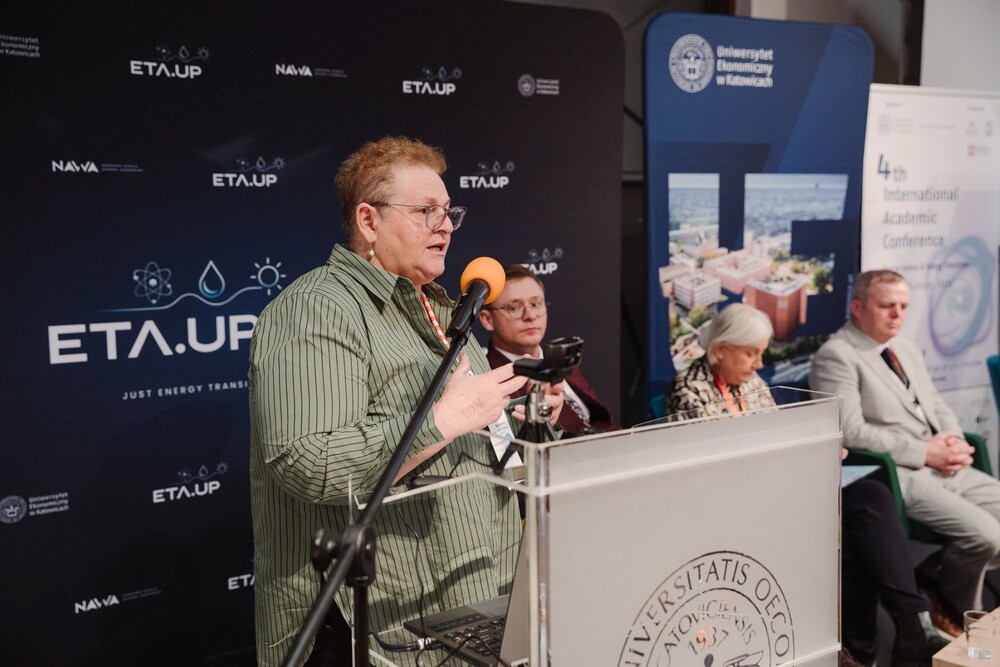
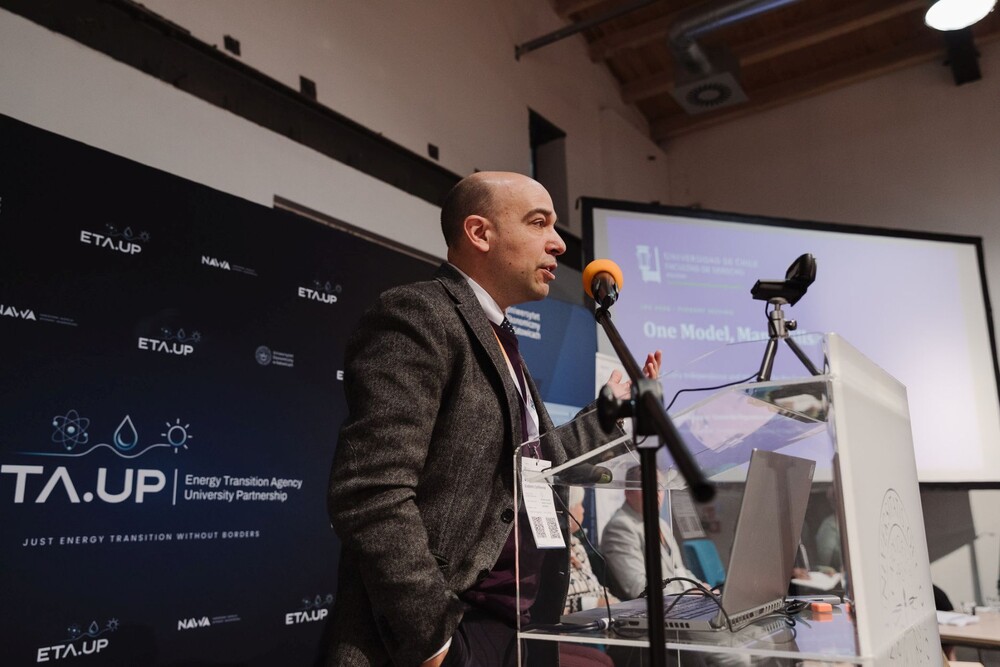
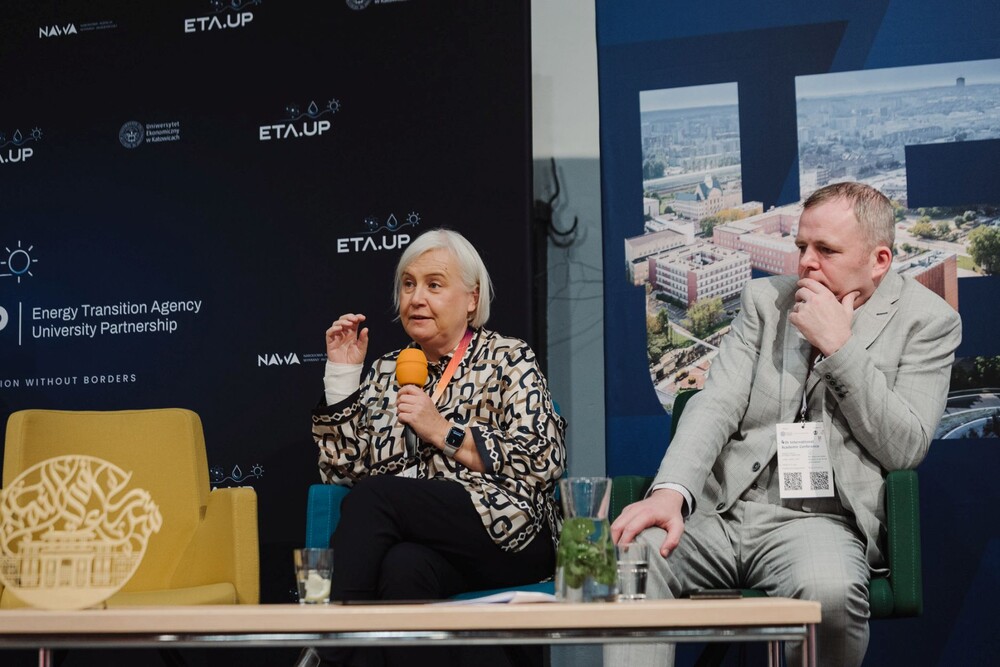
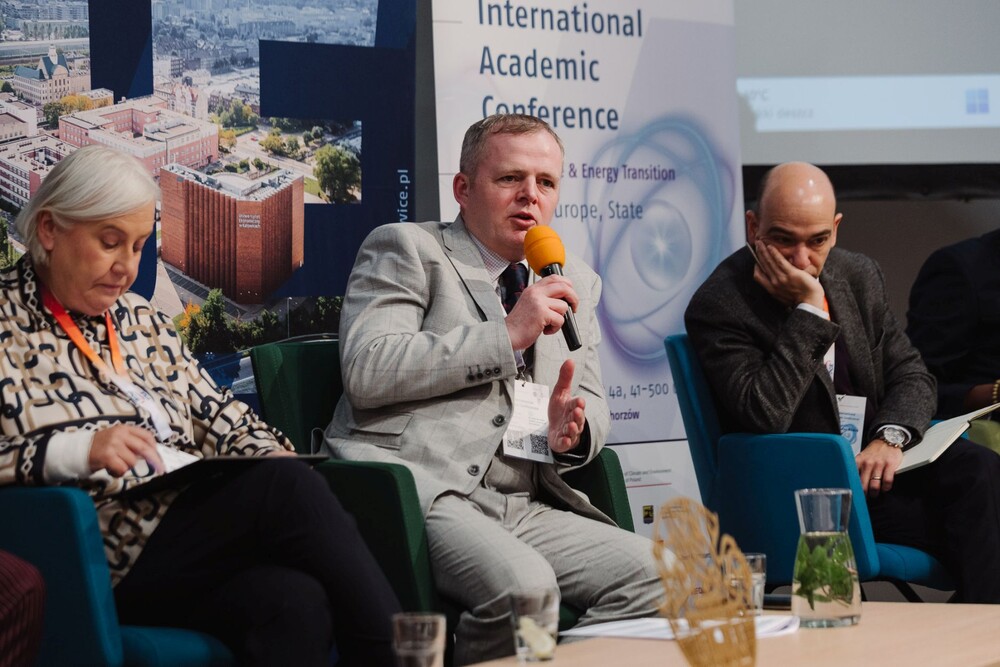
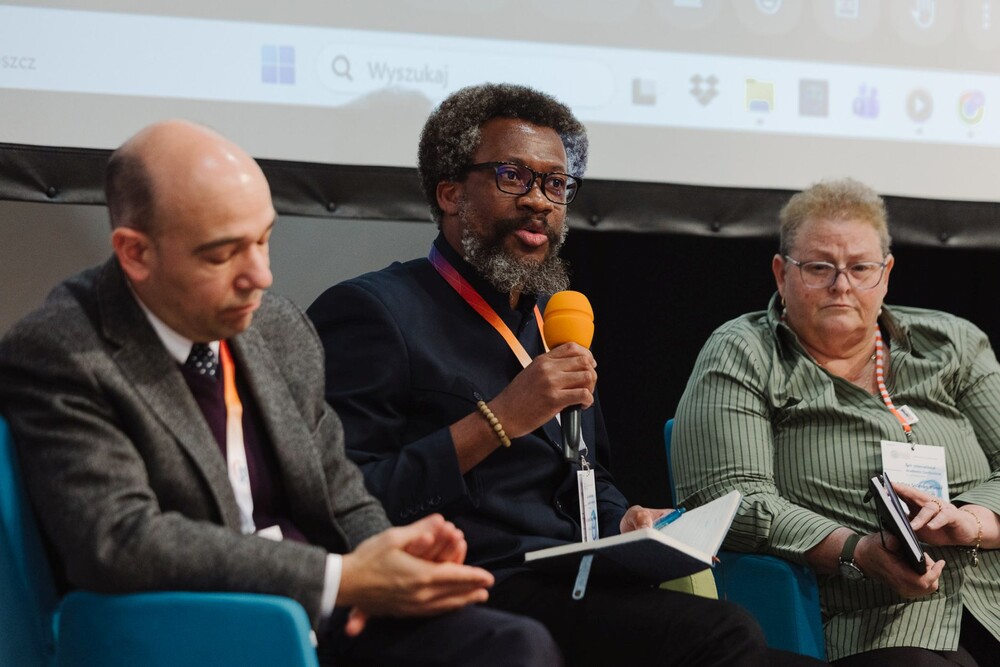
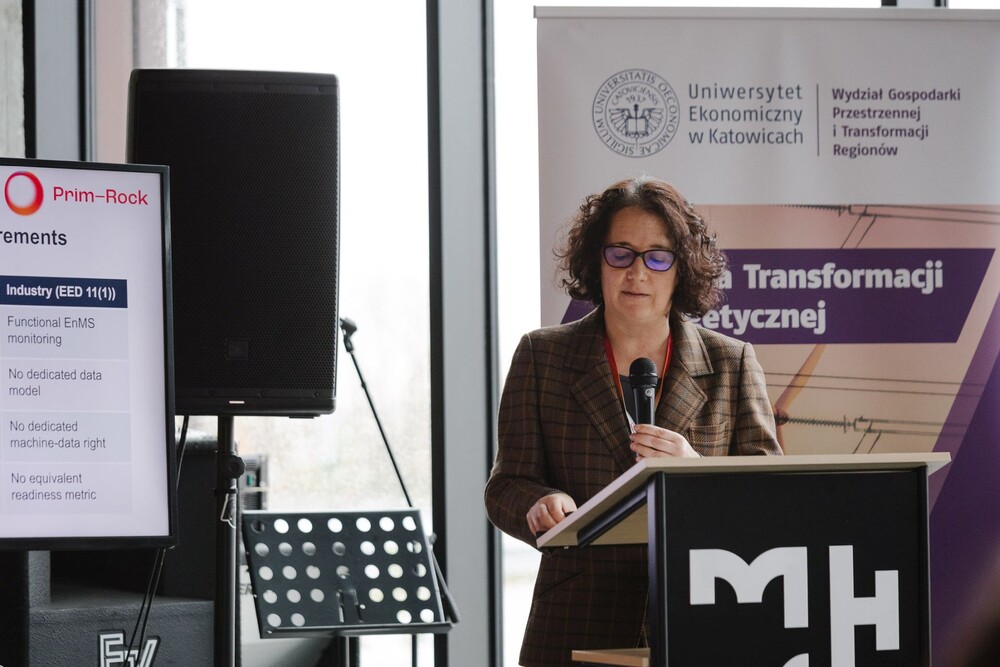
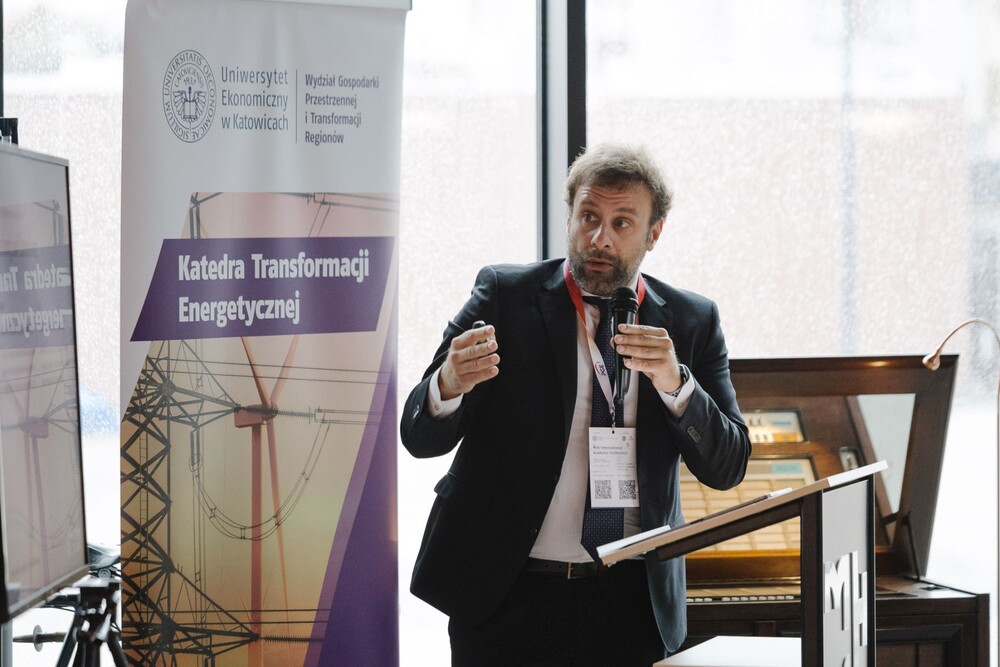
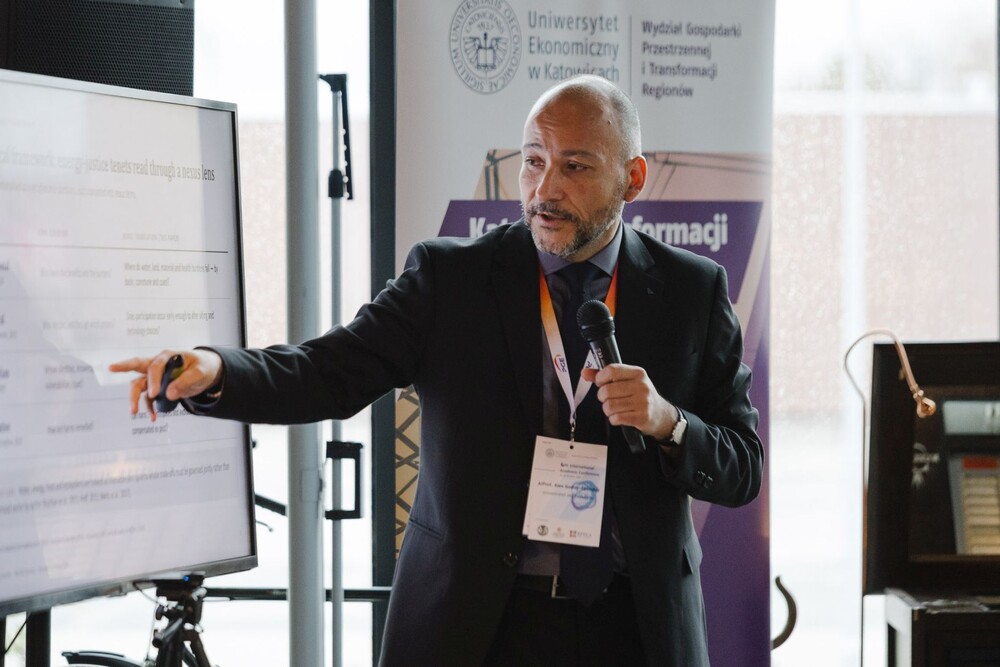
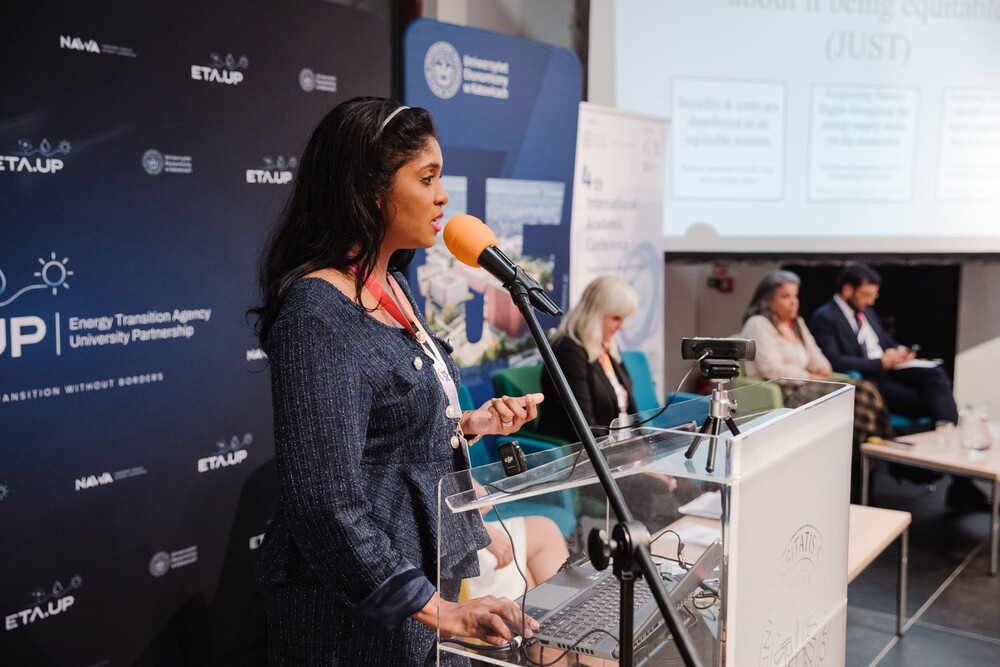
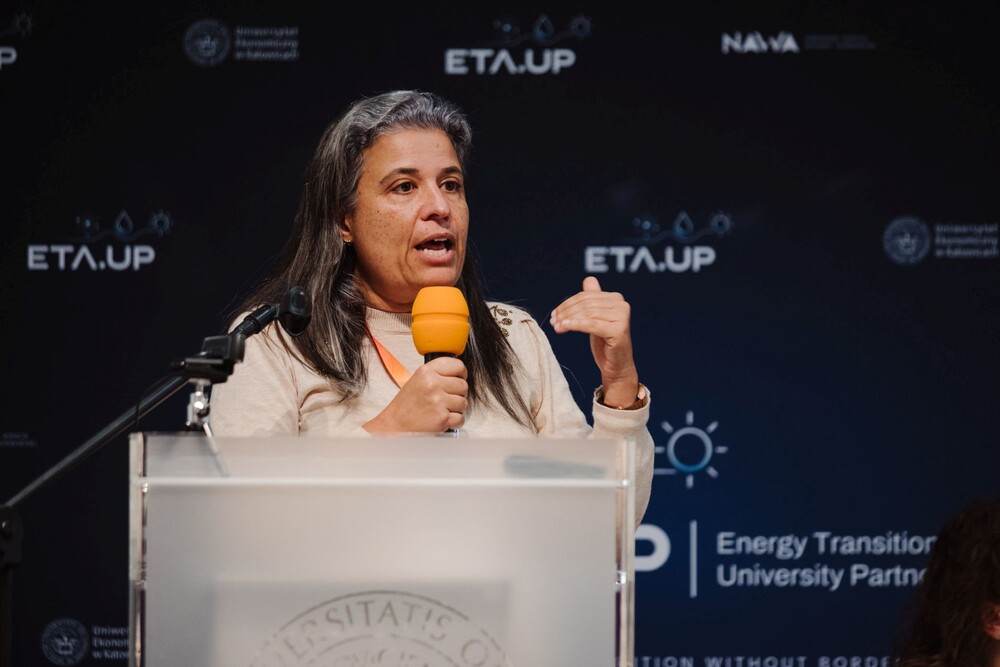
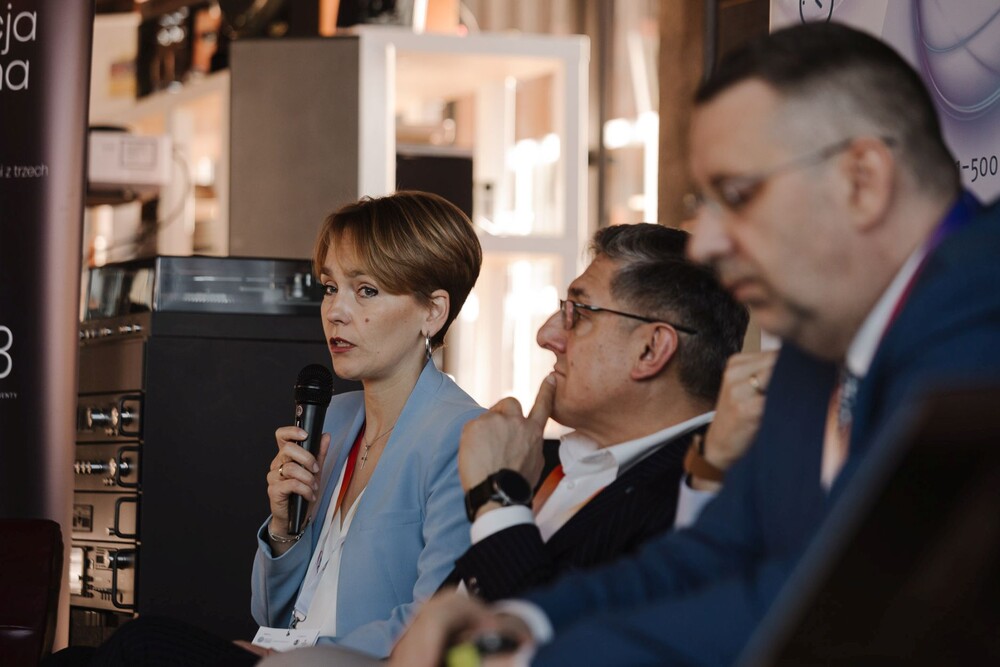
During the session, Professor Marzena Czarnecka examined the distribution of responsibilities and risks in a just energy transition, while Professor Raphael J. Heffron discussed resilience in energy transformation. Professor Tina Soliman Hunter addressed the potential role of floating nuclear power plants in decarbonisation, particularly in remote regions.
Other contributions explored regulatory independence in South America, economic inequalities in energy transformation and the challenges of ensuring energy justice in the Caribbean.
A distinguished keynote address was delivered by Professor Marta Postuła, representing Bank Gospodarstwa Krajowego and the University of Warsaw, who discussed the role of financing in strengthening energy security and supporting the energy transition.
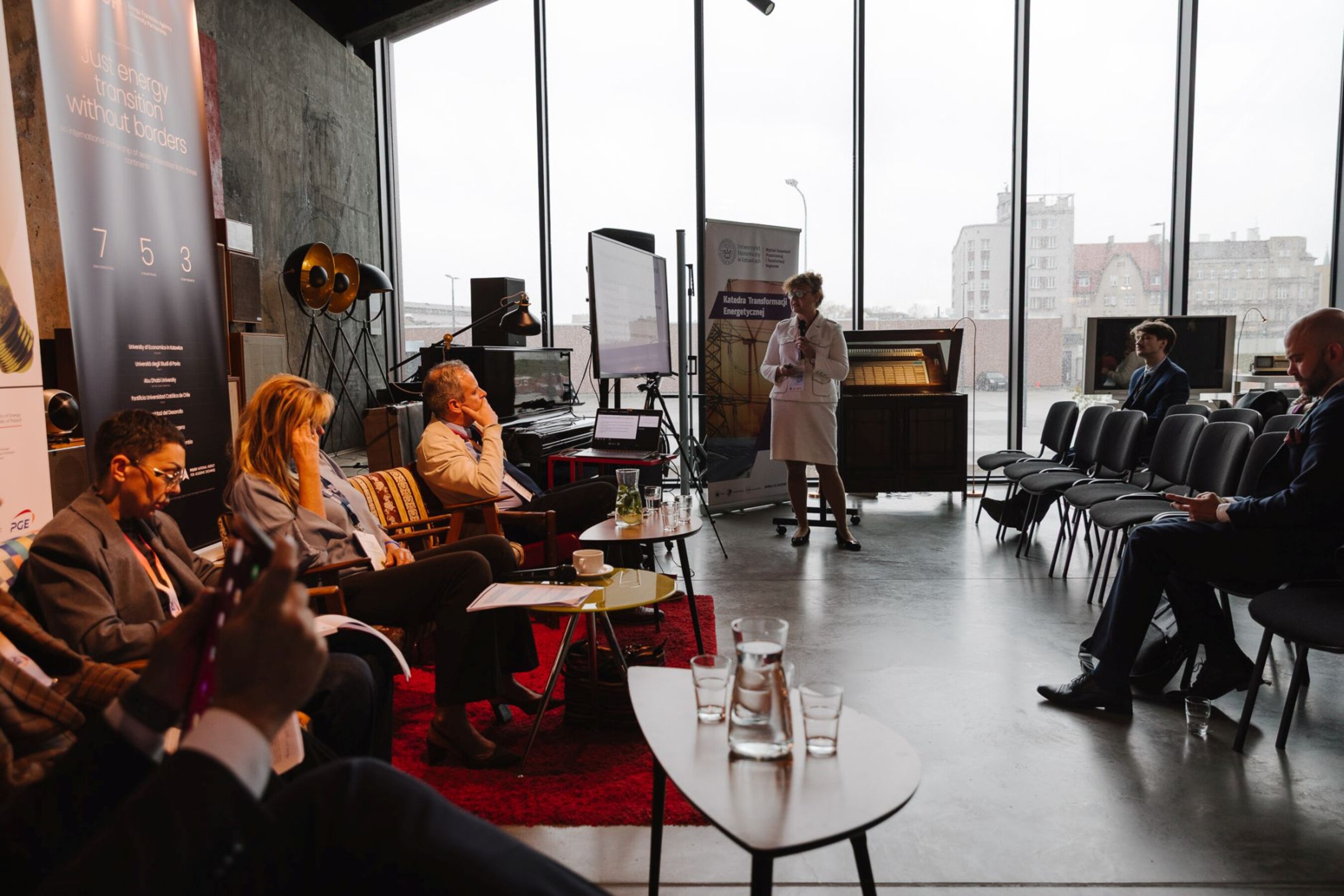
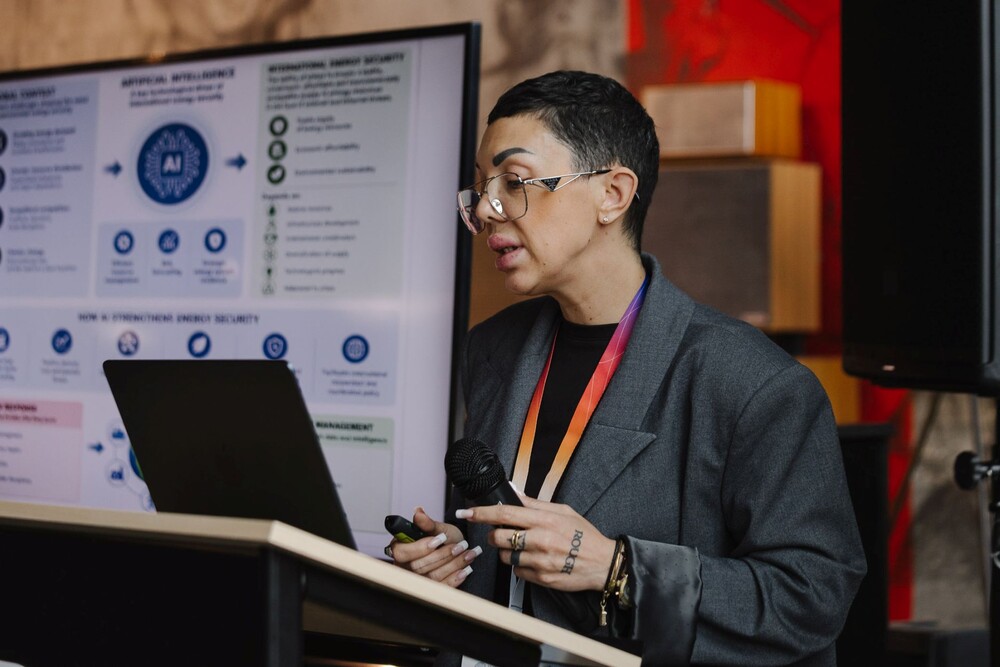
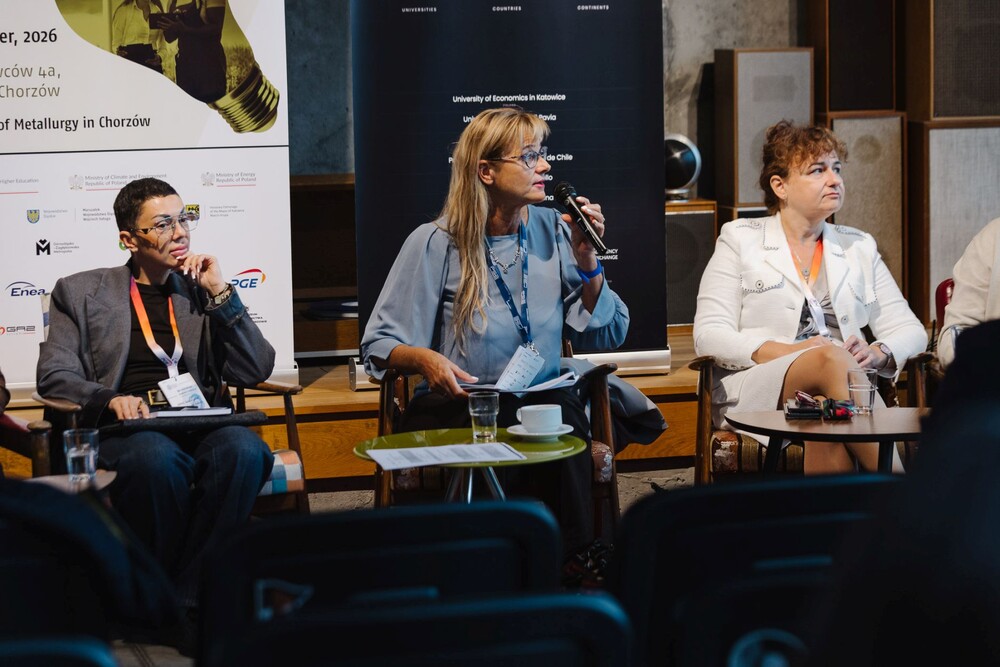
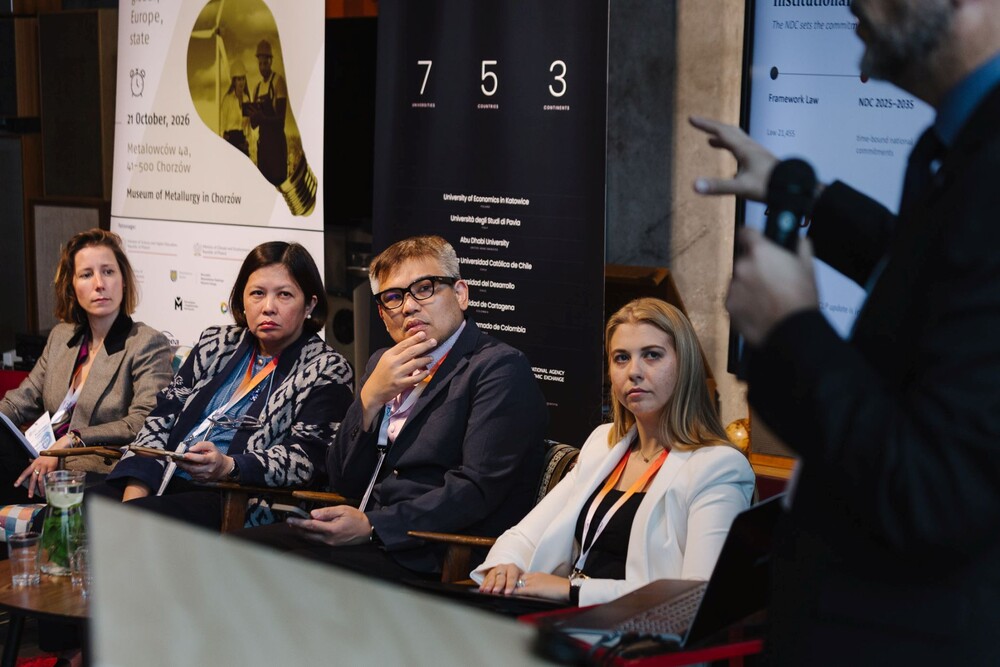
The subsequent parallel sessions examined the future of nuclear energy, the regulation of emerging technologies, energy market resilience, international energy trade, the social consequences of decarbonisation and the growing role of artificial intelligence.
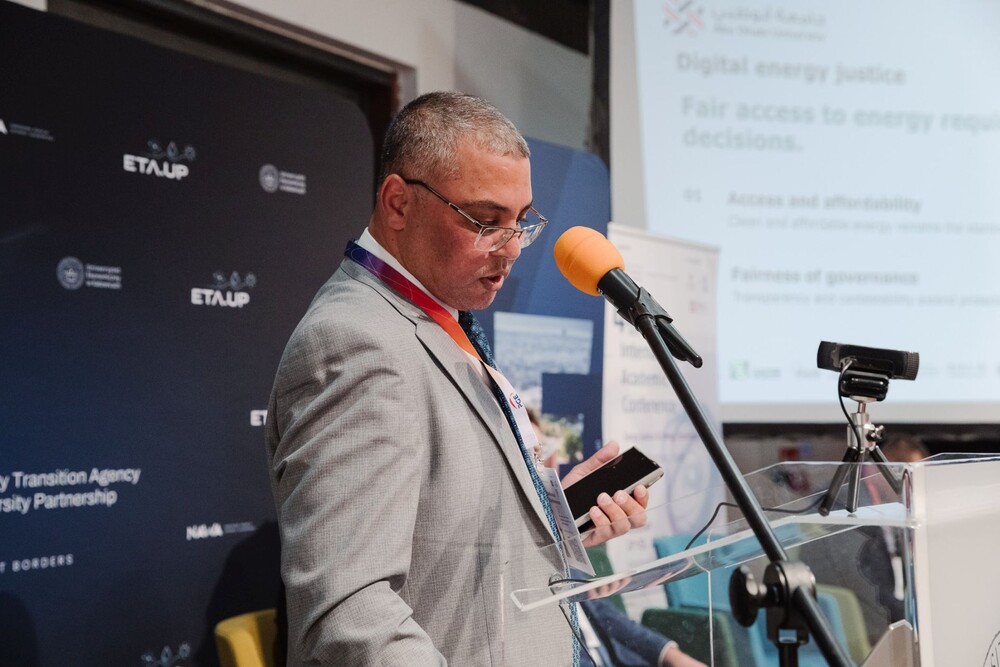
A further keynote address by Professor Aoife M. Foley from the University of Manchester explored the relationship between data, infrastructure and the development of resilient, just and net-zero energy systems.
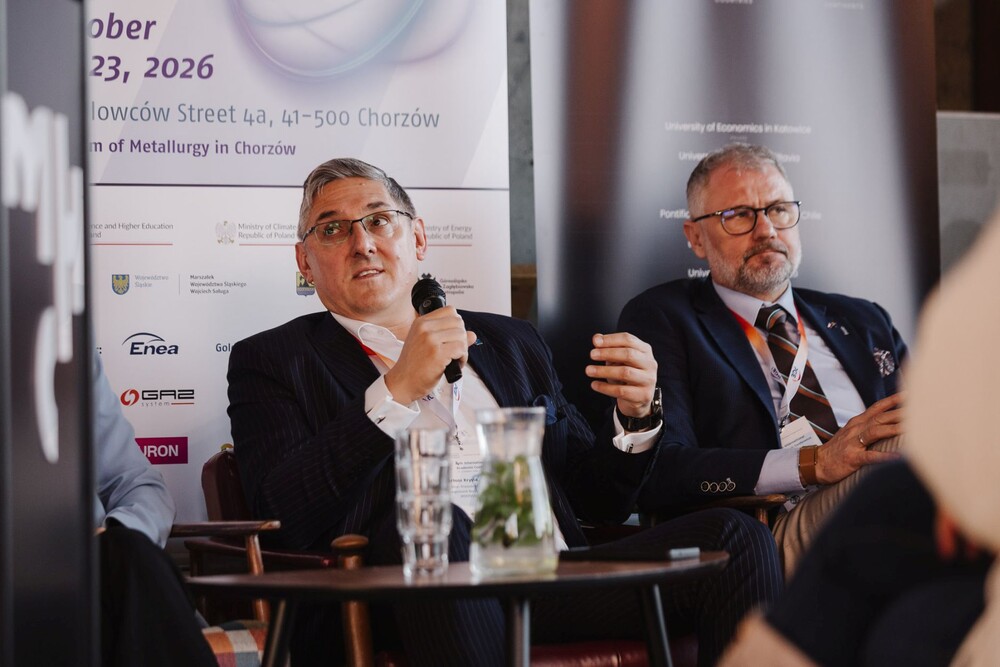
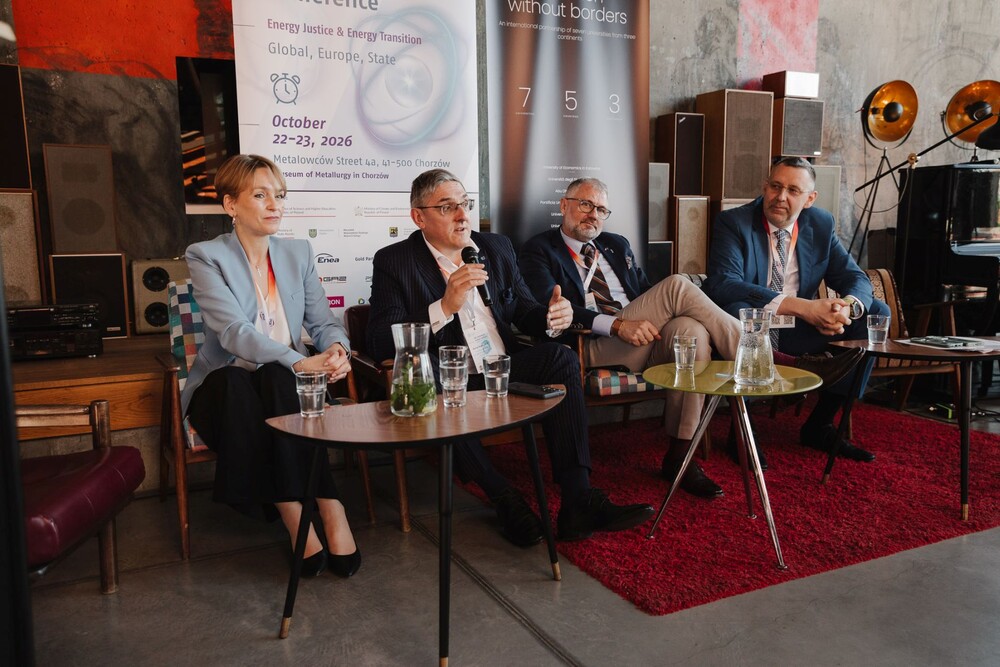
Throughout the international day, speakers repeatedly highlighted that the energy transition cannot be understood solely as a technological process. Its success also depends on effective regulation, social acceptance, economic competitiveness and the fair distribution of costs and benefits.
Polish Energy Industry Leaders Join the National Debate
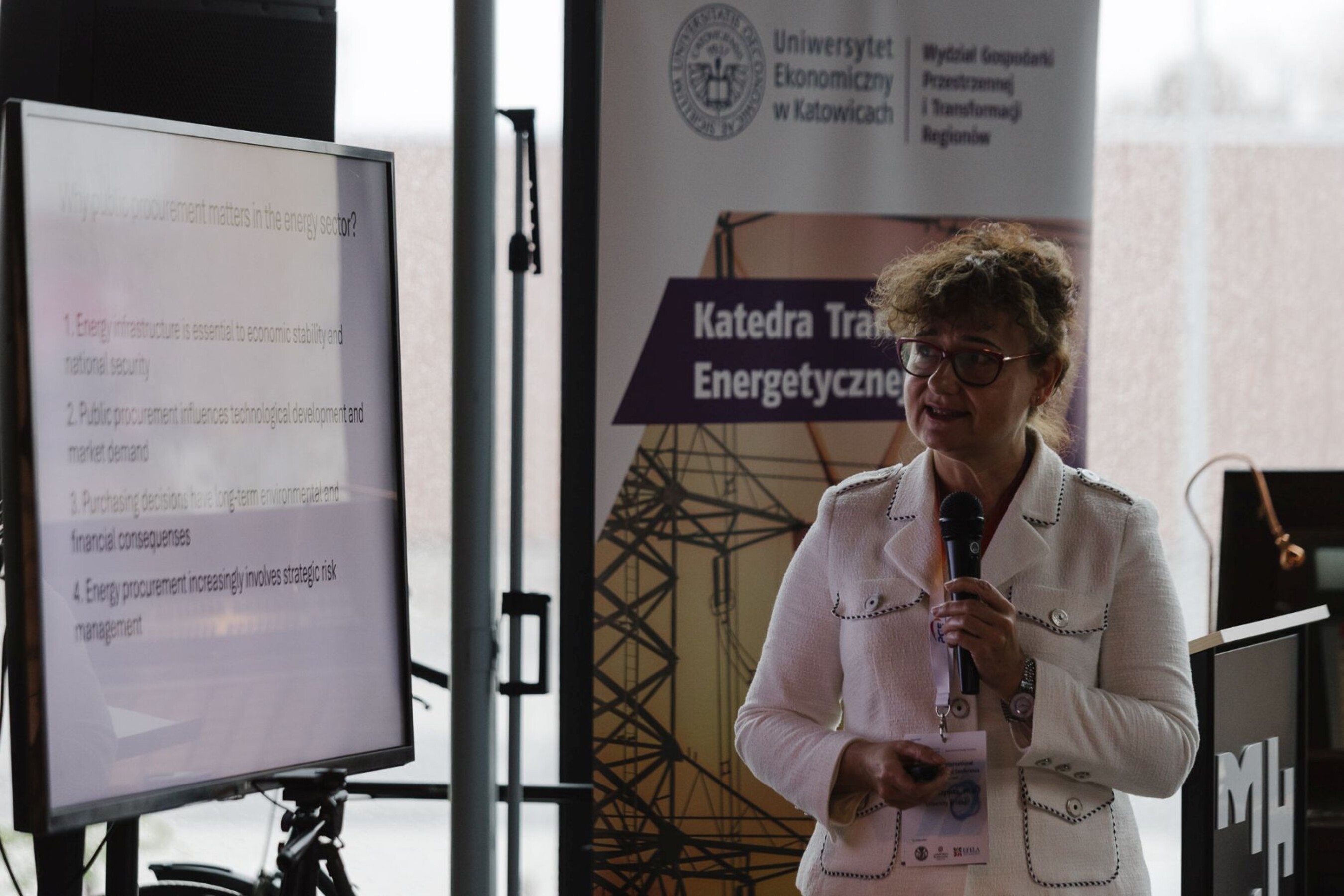
Friday, 23 October, was dedicated to the Polish dimension of the energy transition, with particular emphasis on energy security, strategic infrastructure, nuclear power development and cooperation between the public sector and energy companies.
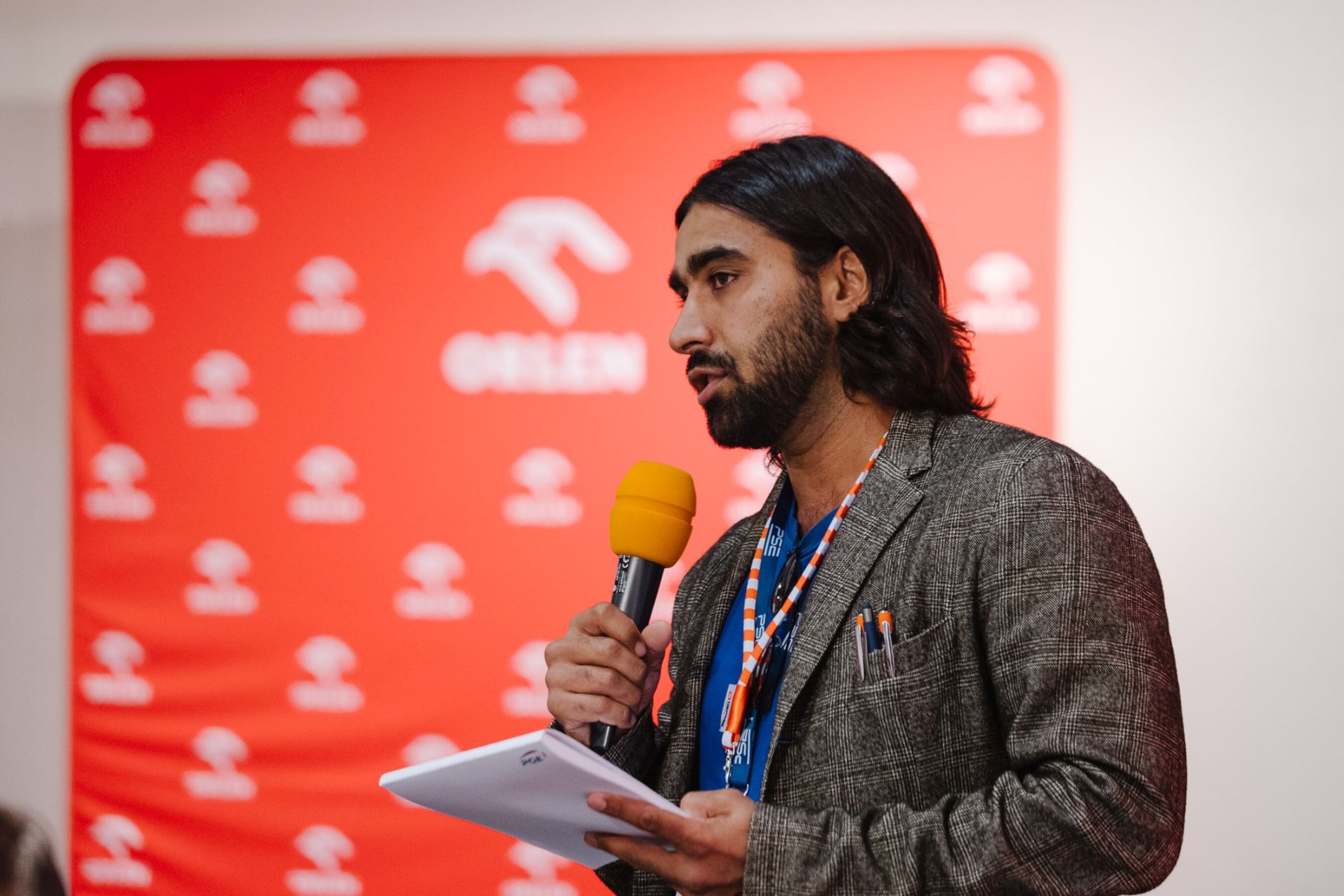
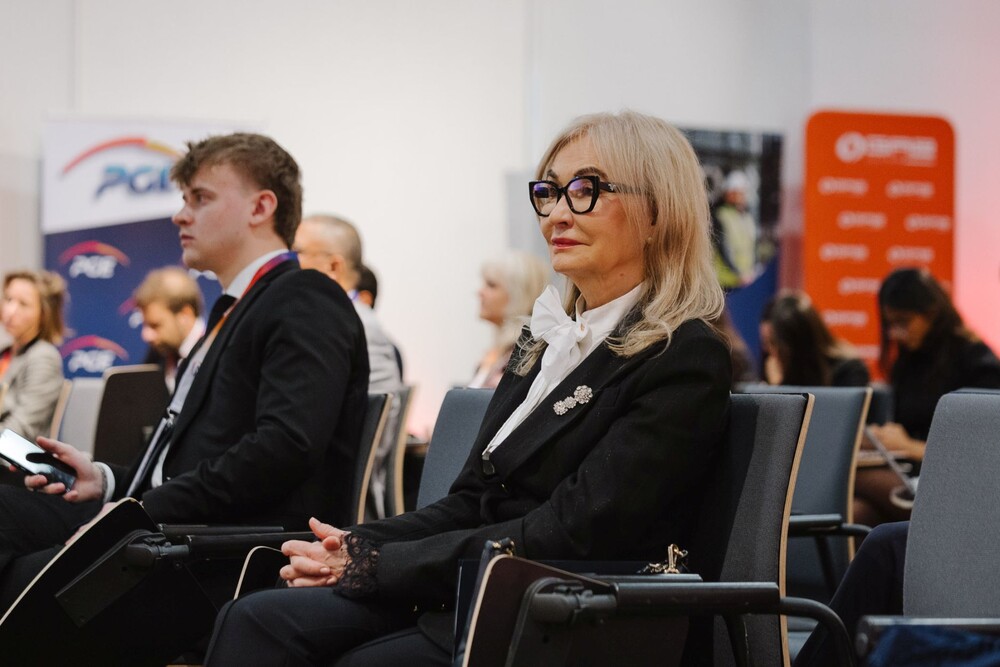
A distinctive feature of the national programme was the participation of senior representatives of Poland’s leading energy companies, transmission system operators, industrial enterprises and public institutions.
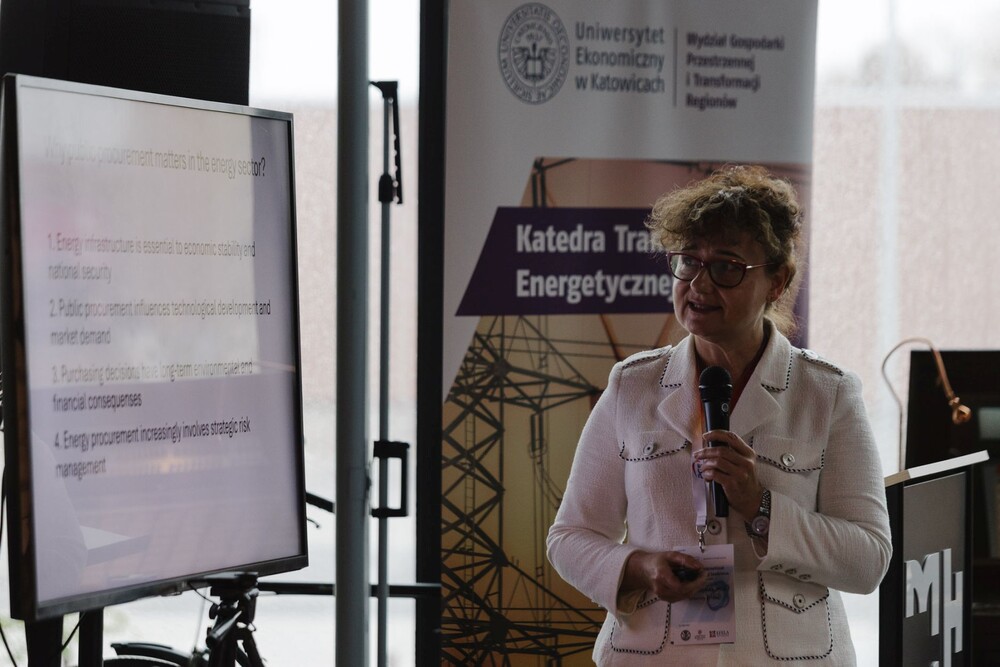
The participation of representatives of major Polish energy companies was particularly important in connecting academic research with the practical challenges of delivering large-scale energy investments and maintaining long-term energy security.
International Guests Discover the Wieliczka Salt Mine
On Friday, 23 October, the international guests also had the opportunity to visit the Wieliczka Salt Mine, one of Poland’s most internationally recognised historic industrial sites and a UNESCO World Heritage Site.
The visit provided an opportunity to discover an important part of Poland’s industrial and cultural heritage while continuing informal discussions and strengthening international academic relationships.
The excursion also highlighted the historical significance of natural resources and industrial development in shaping the economy of southern Poland.
Building International Partnerships Beyond the Conference
The fourth edition of the conference also provided an opportunity to present the University of Economics in Katowice’s growing international engagement in the field of energy justice.
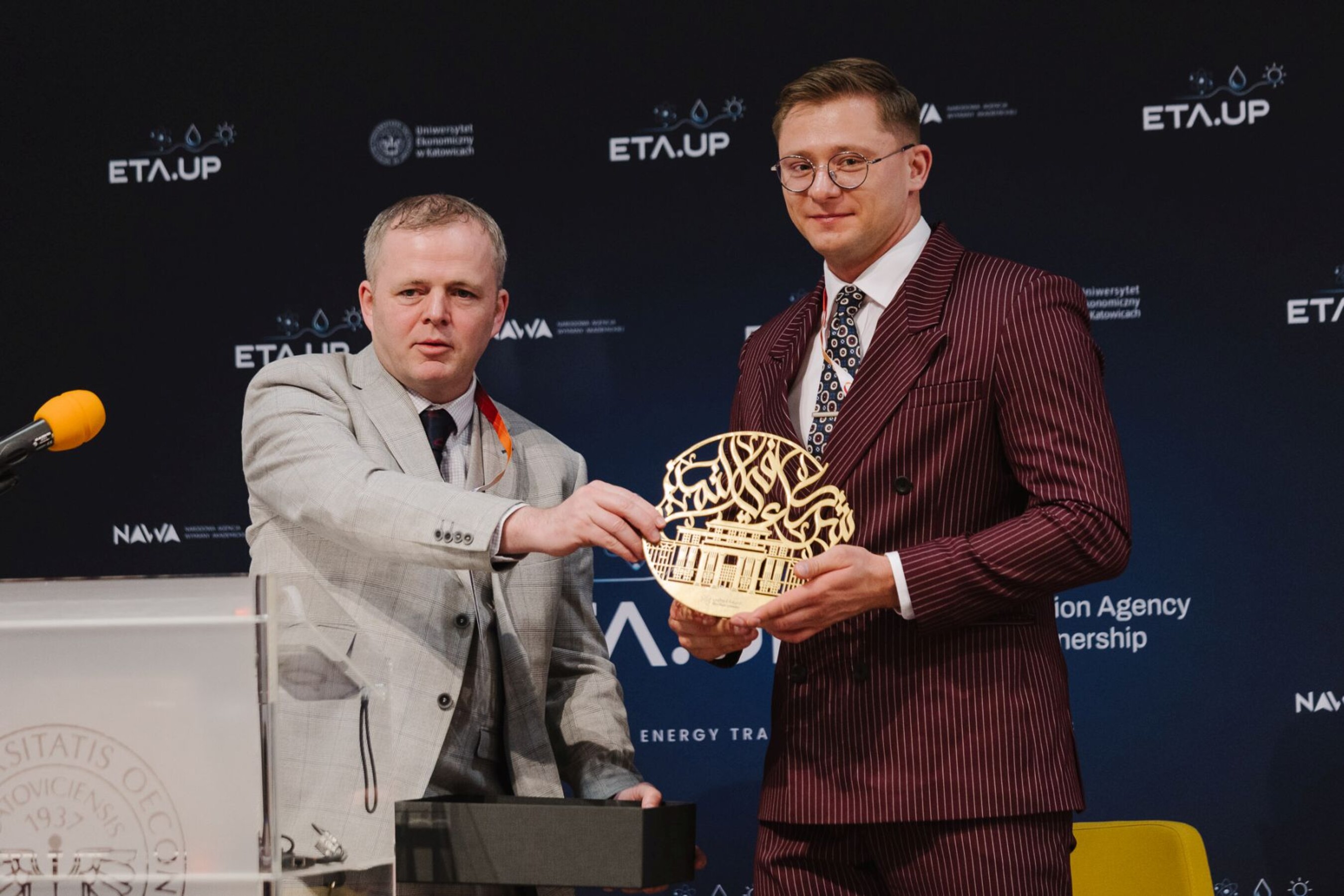
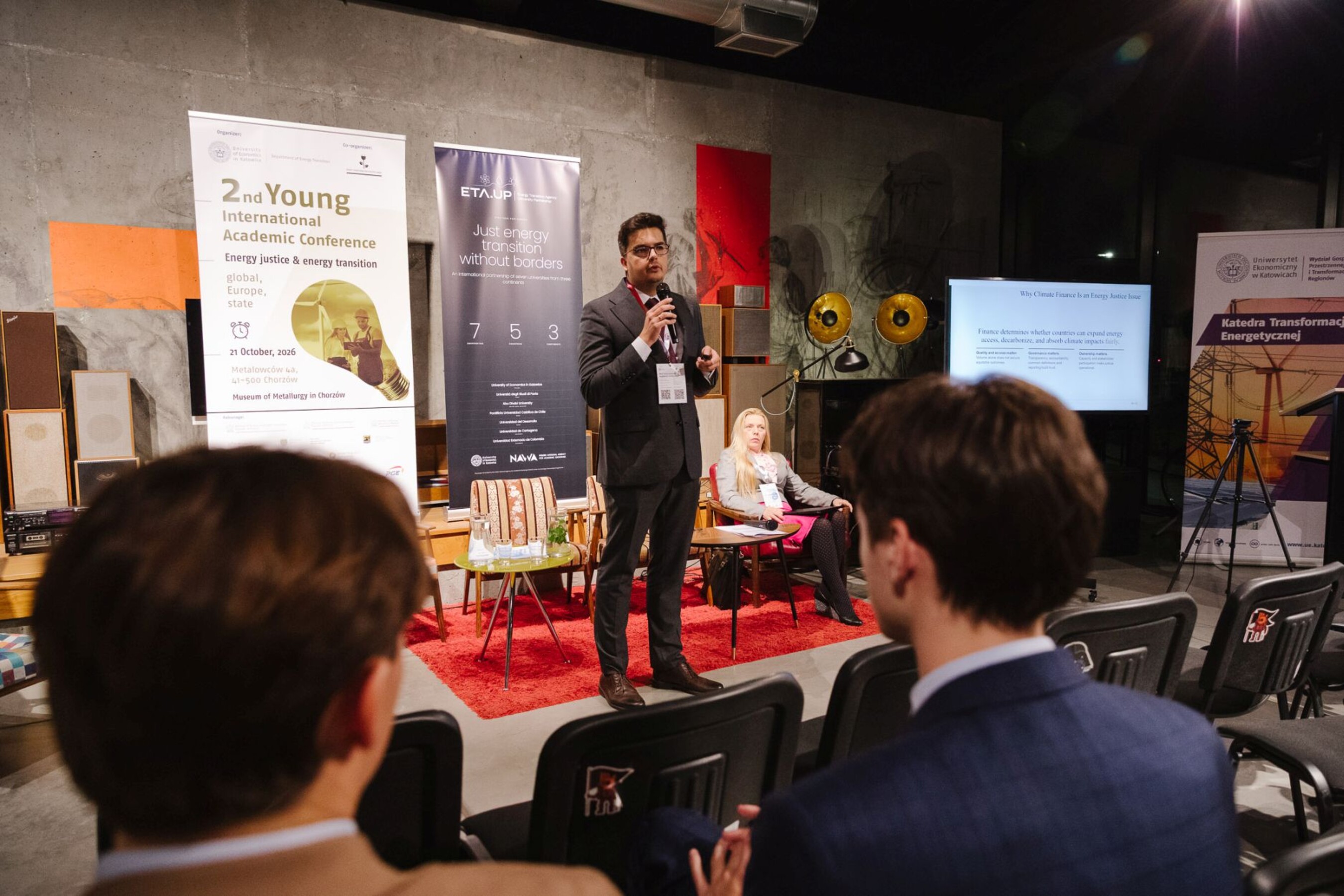
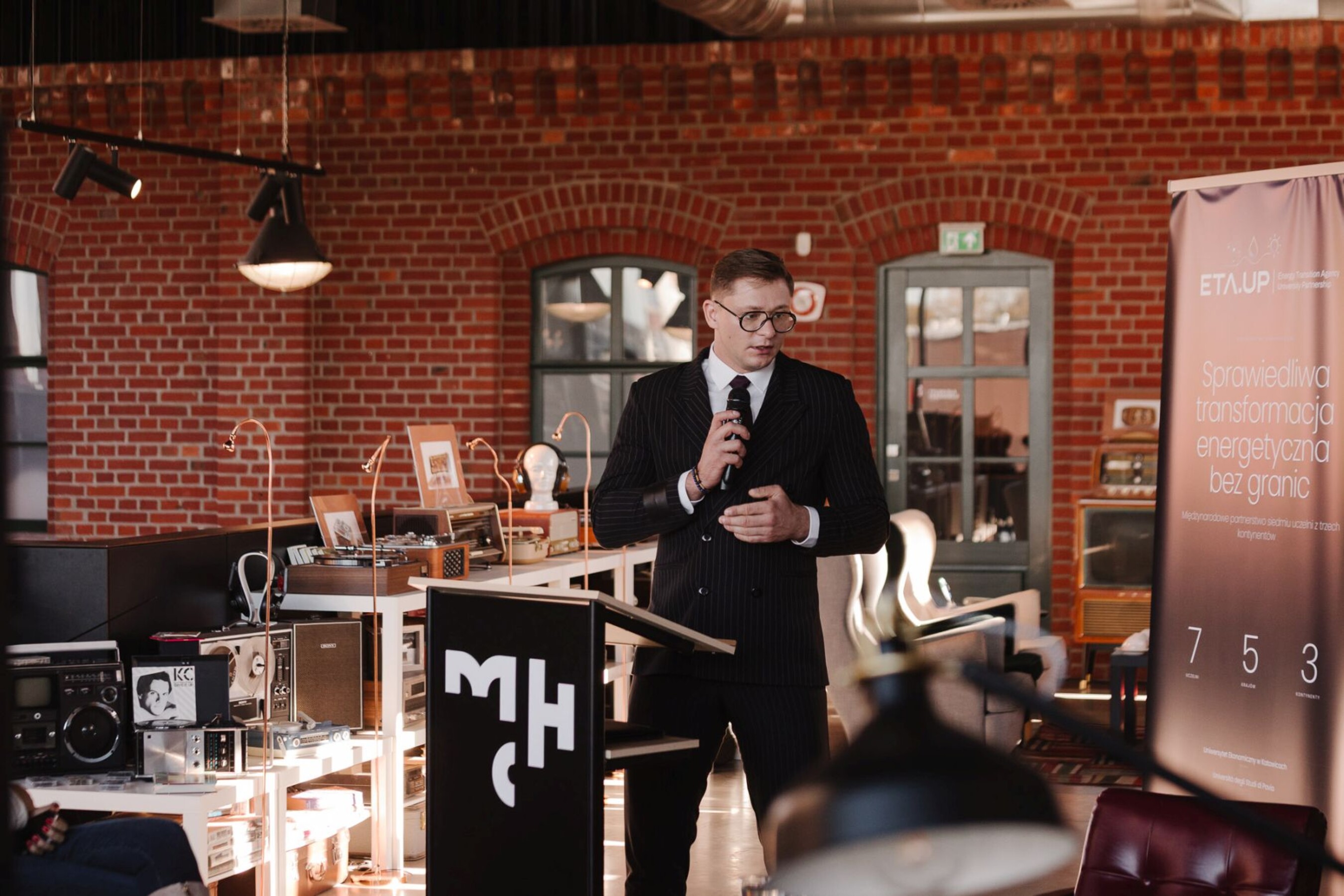
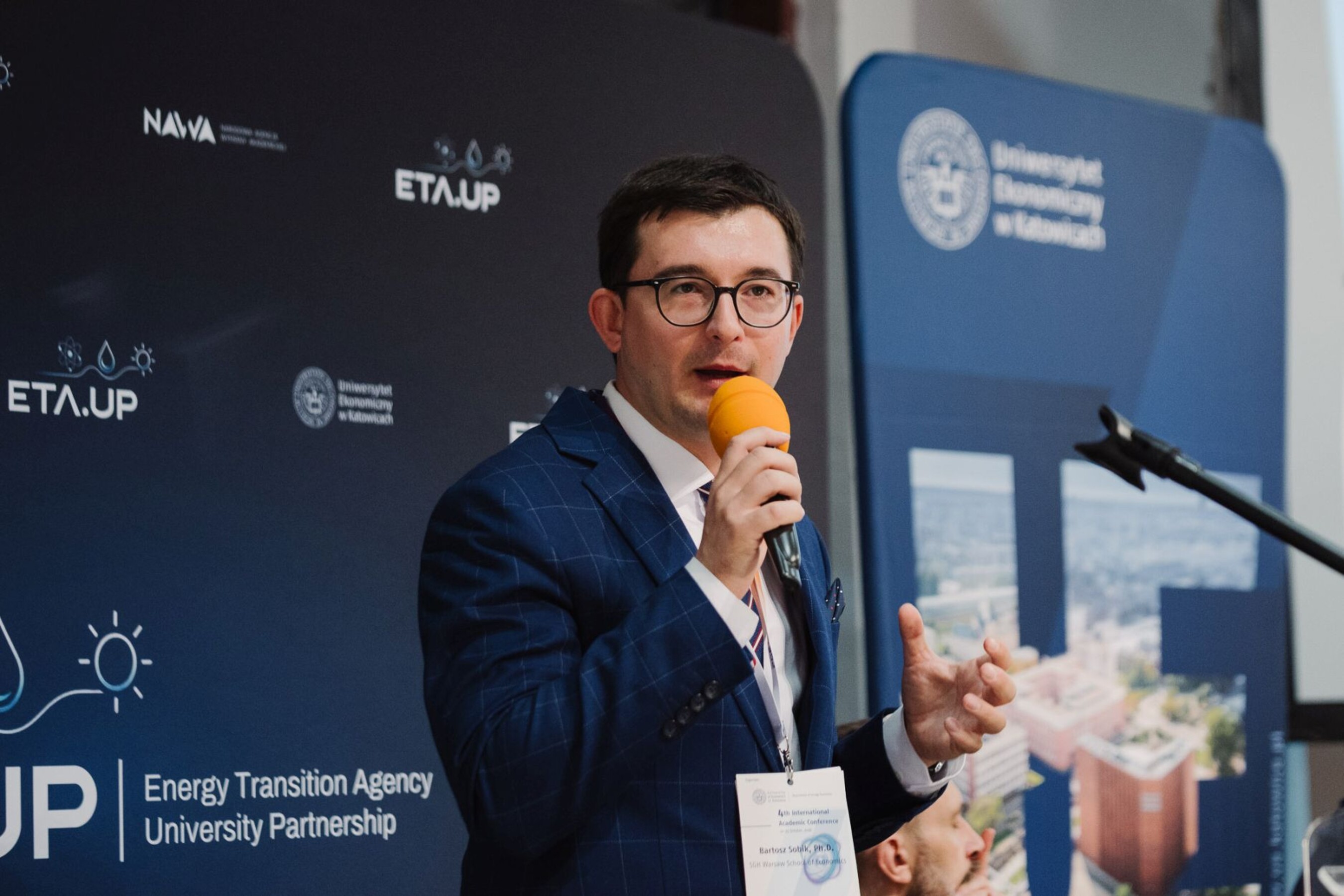
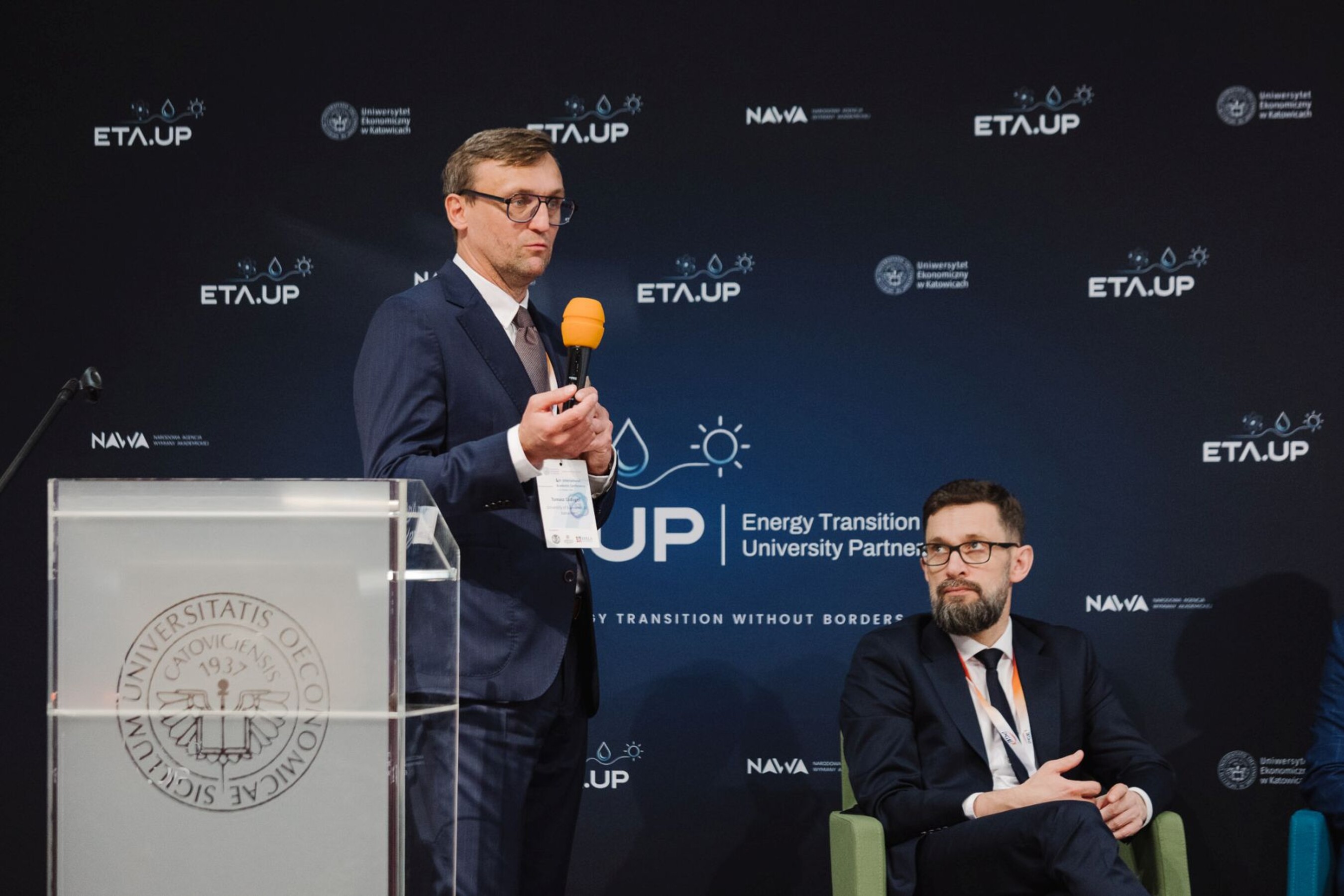
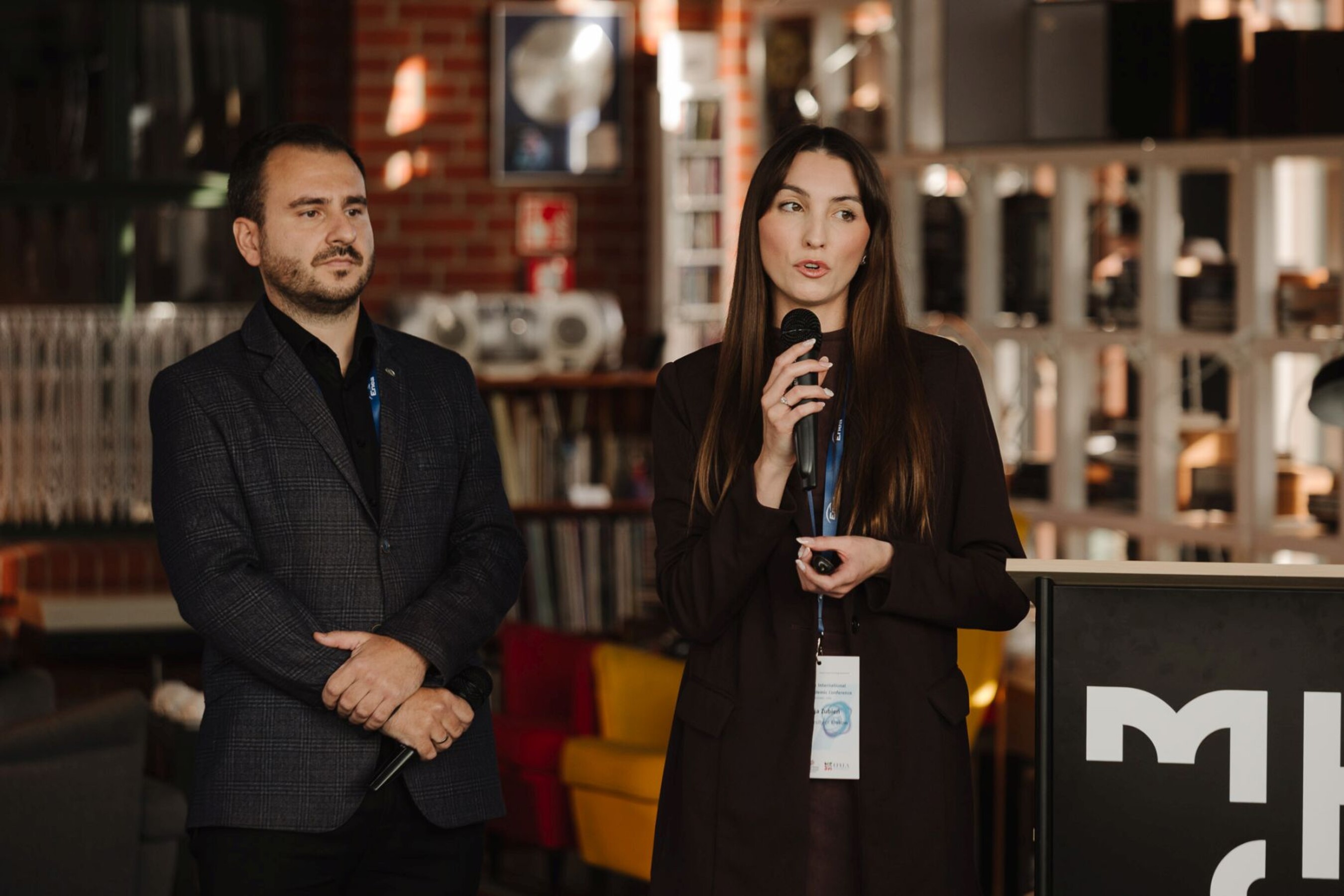
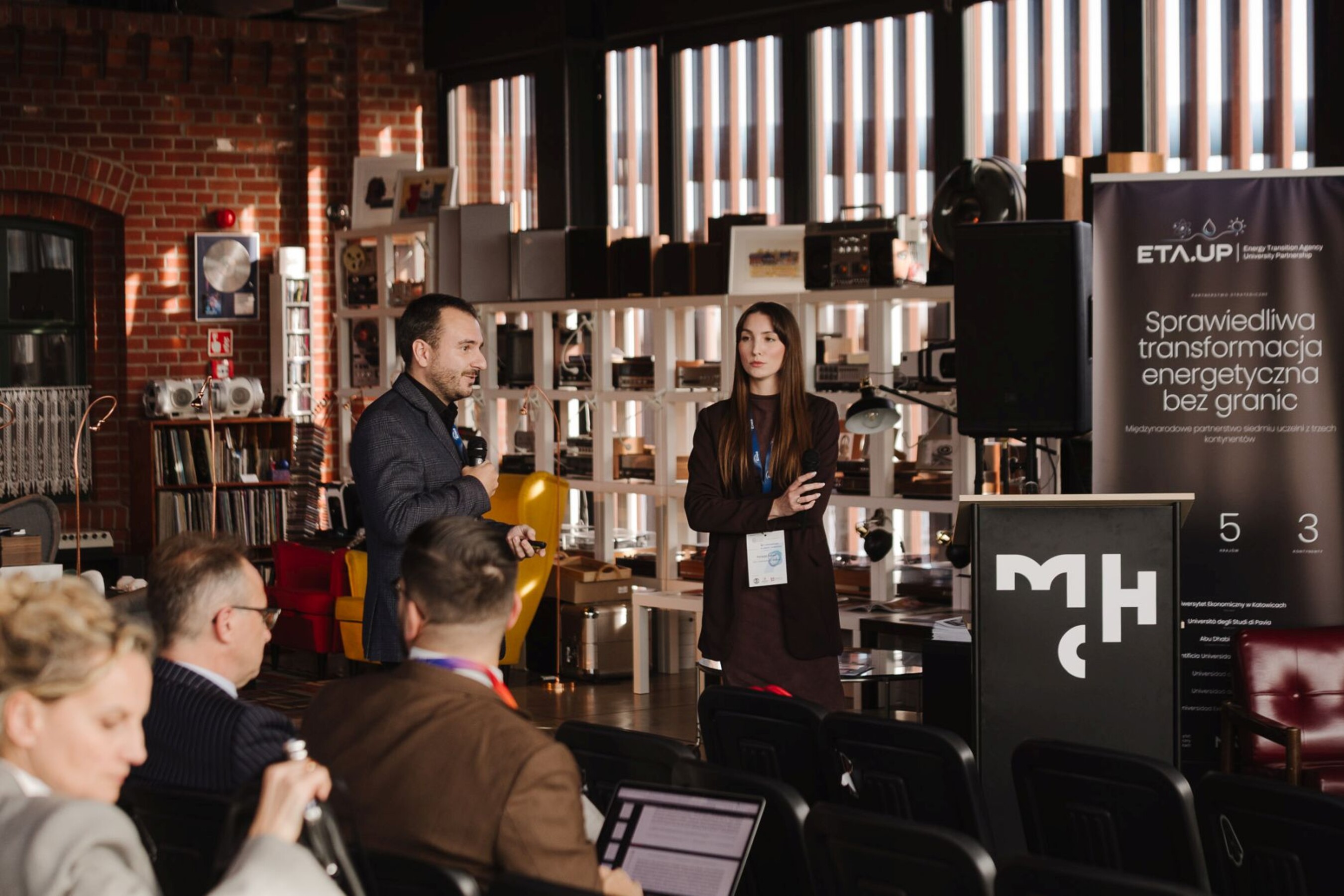
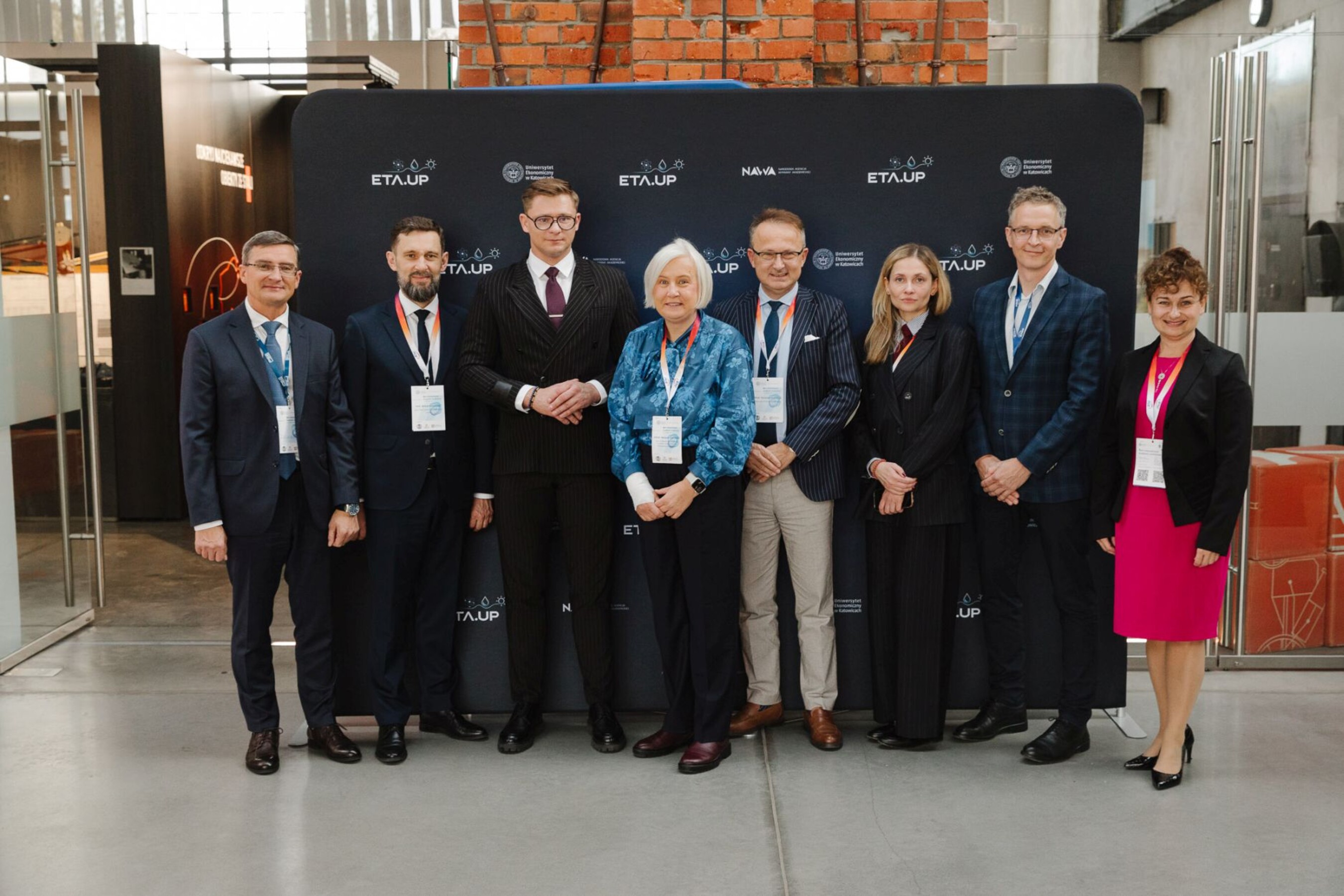
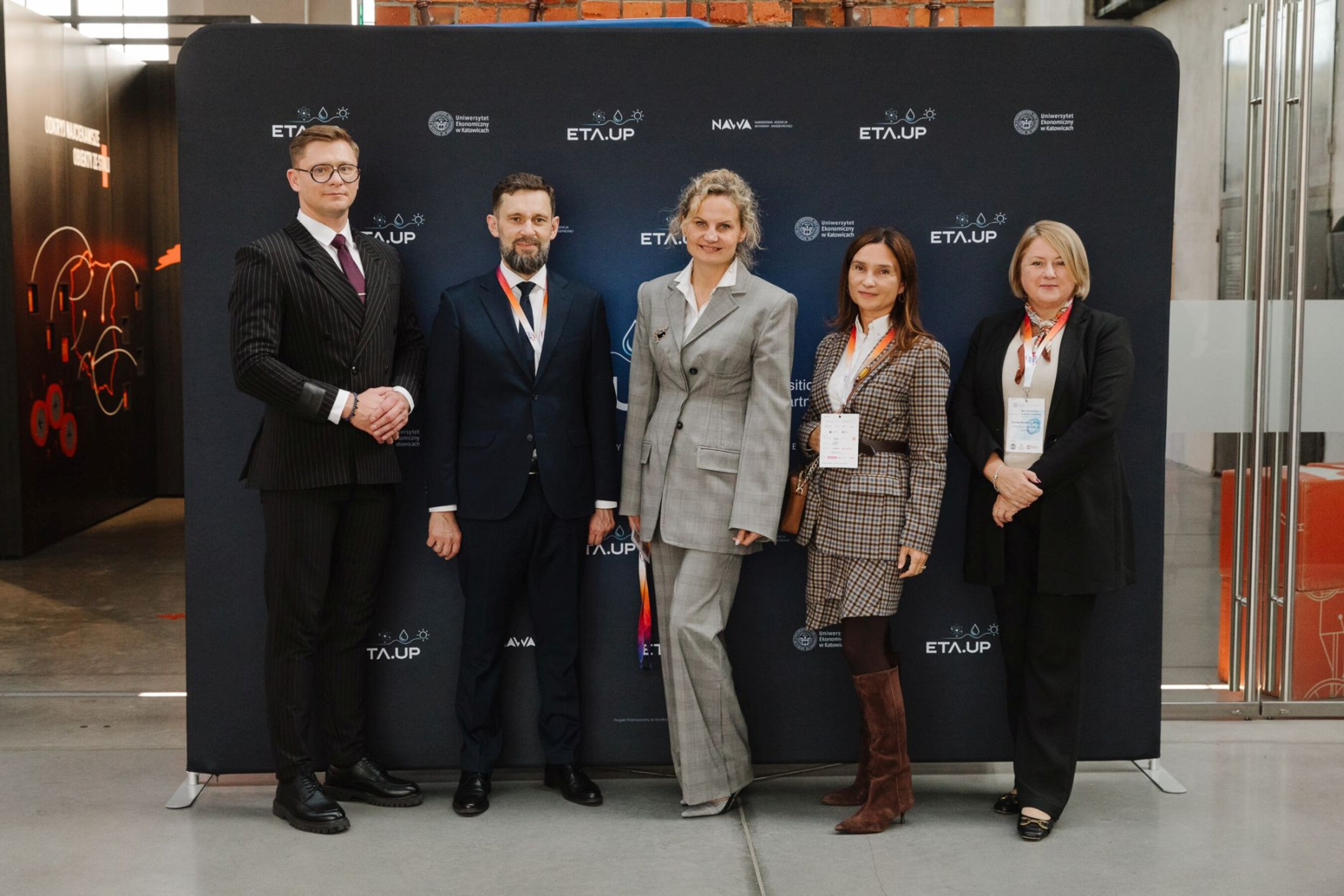
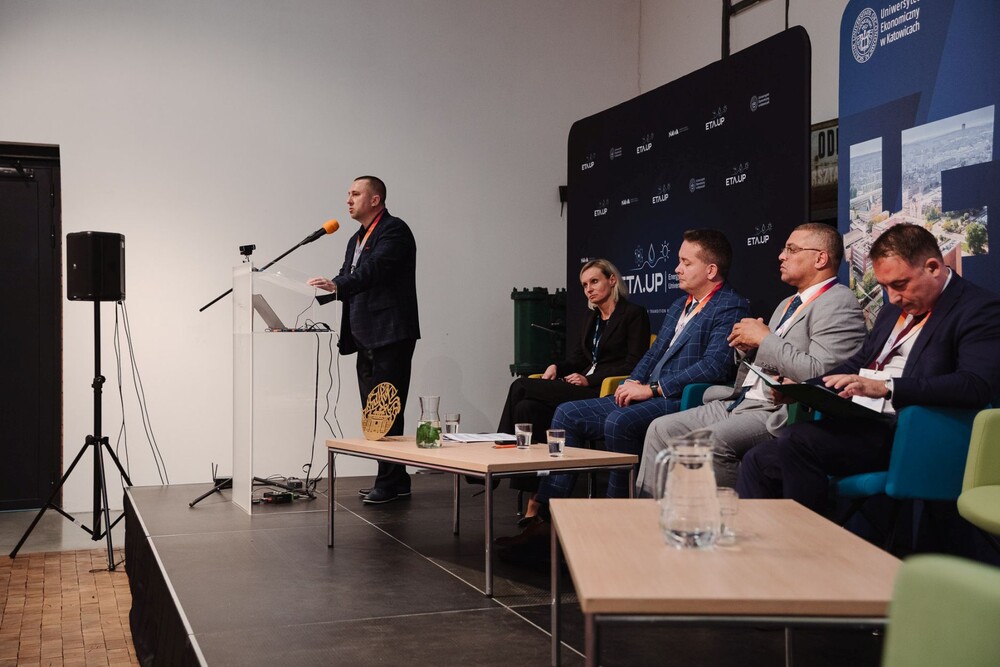
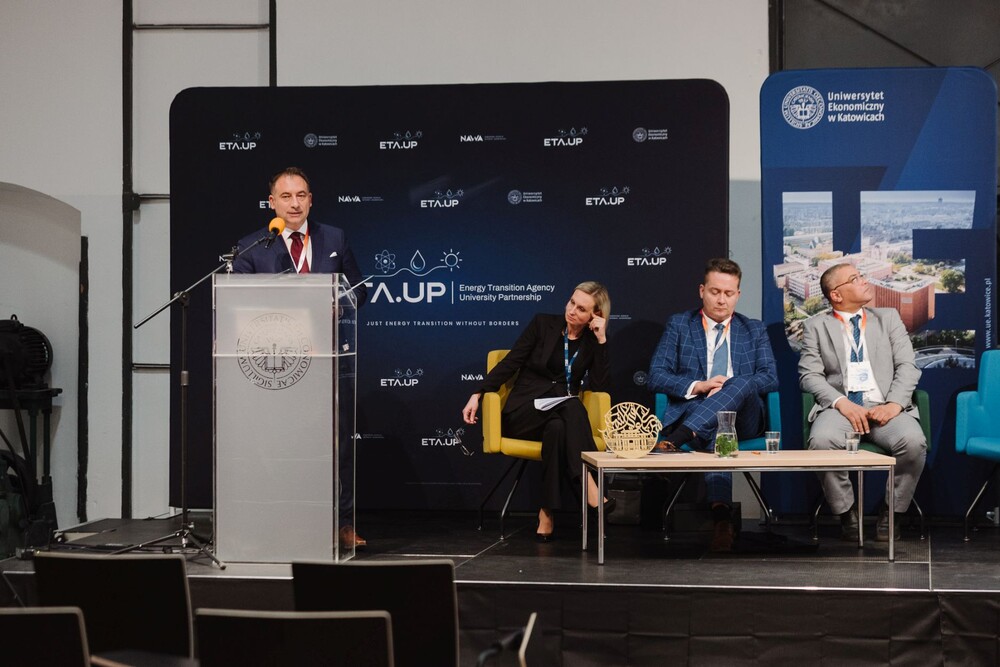
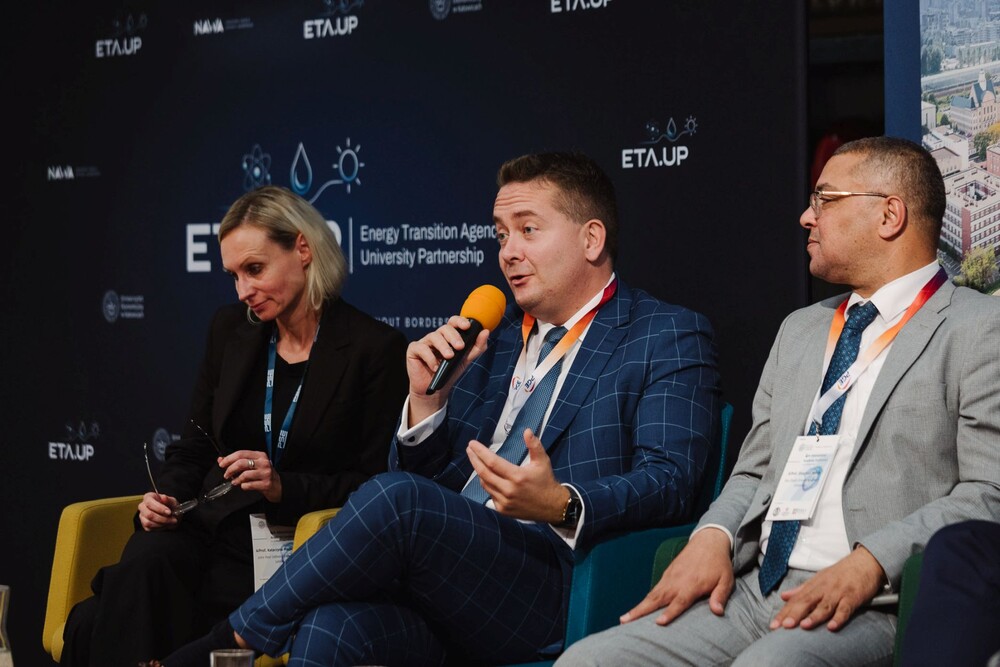
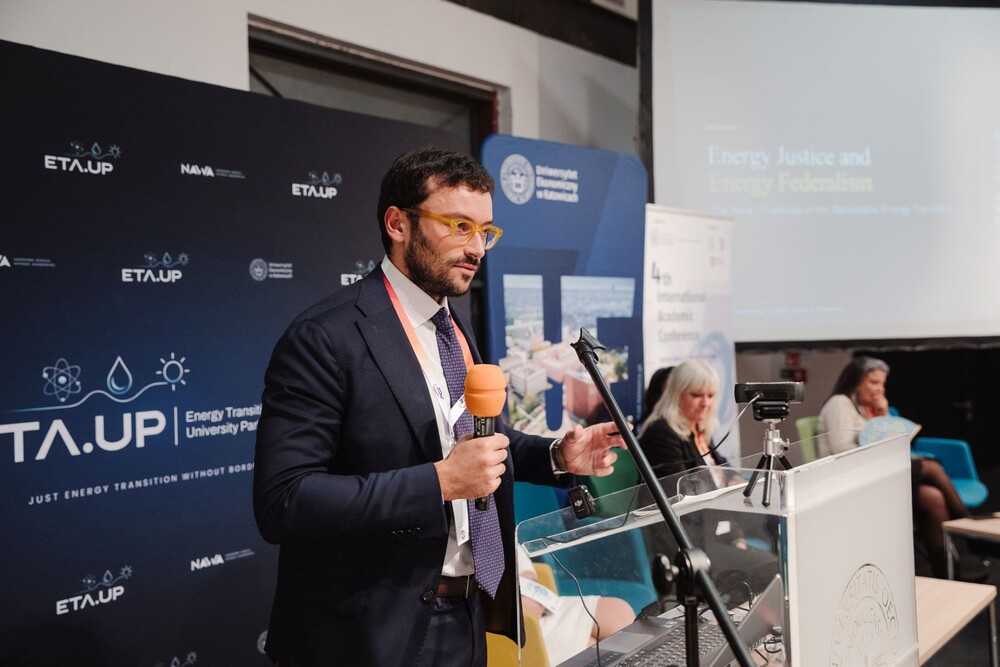
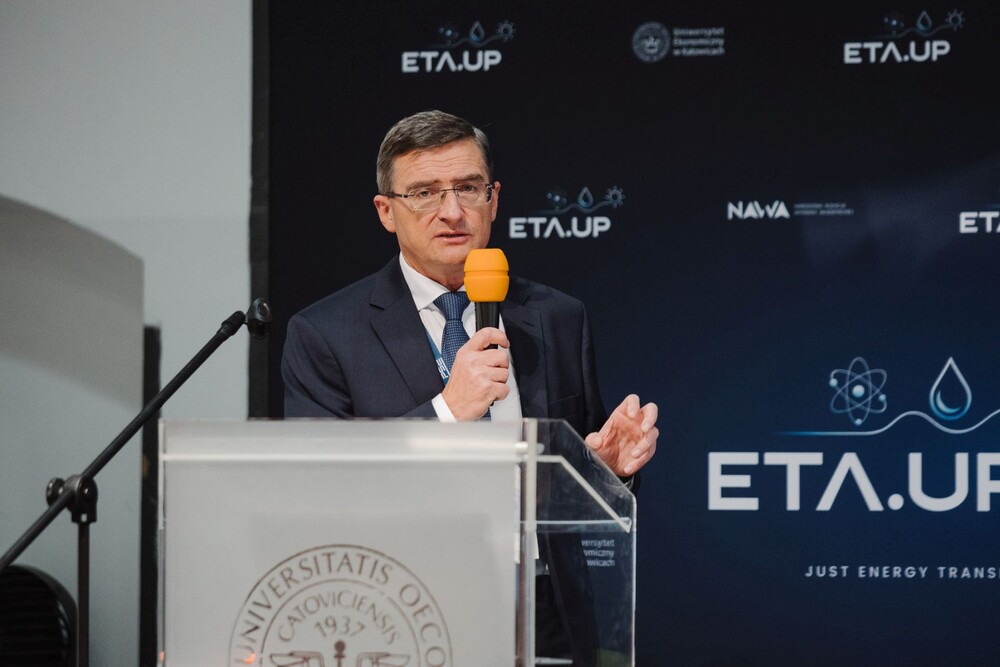
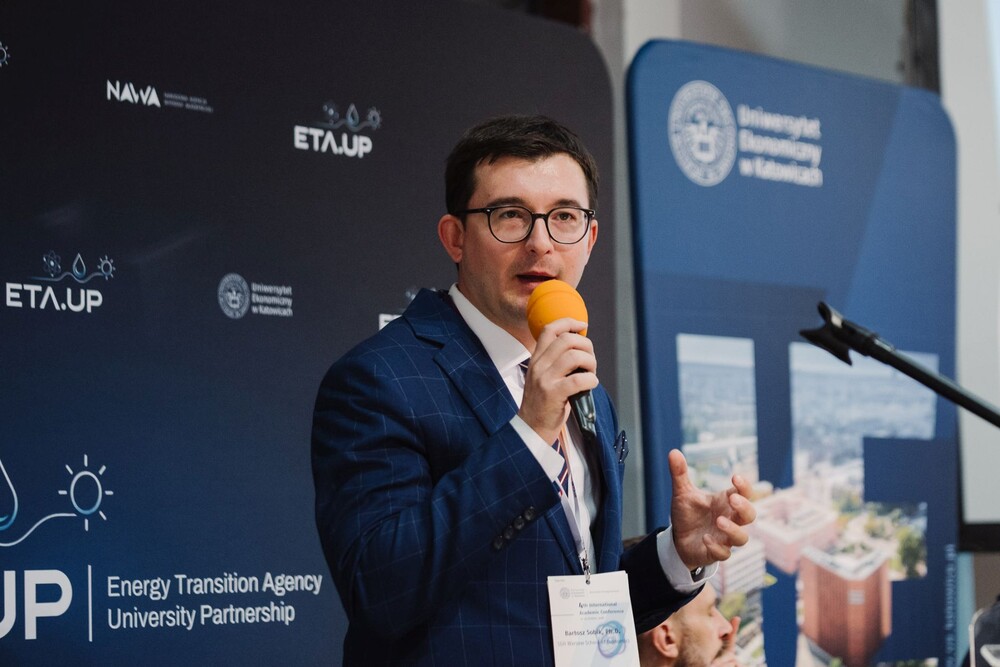
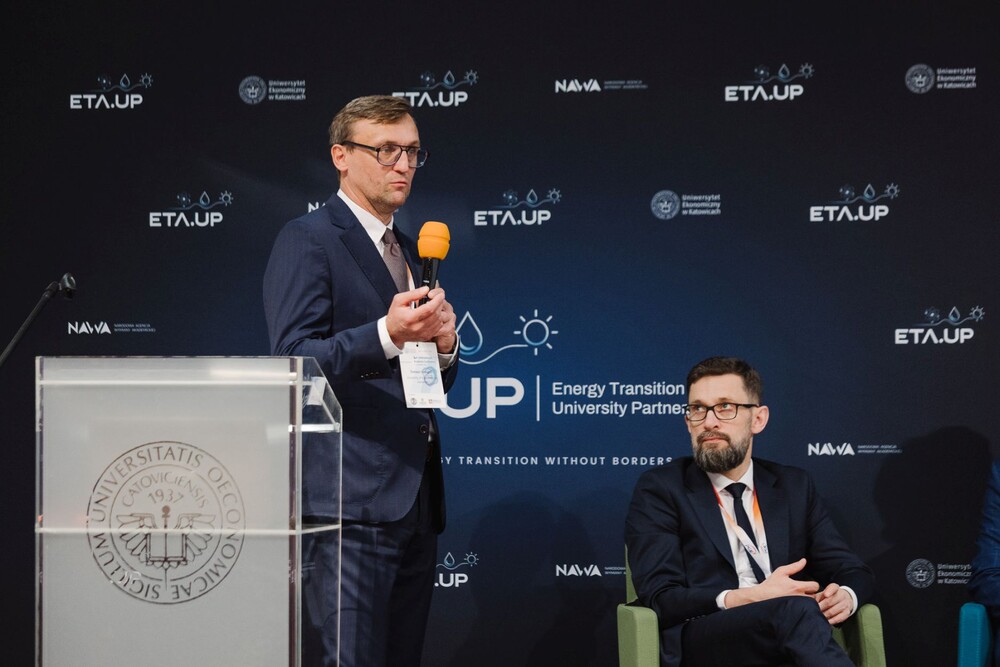
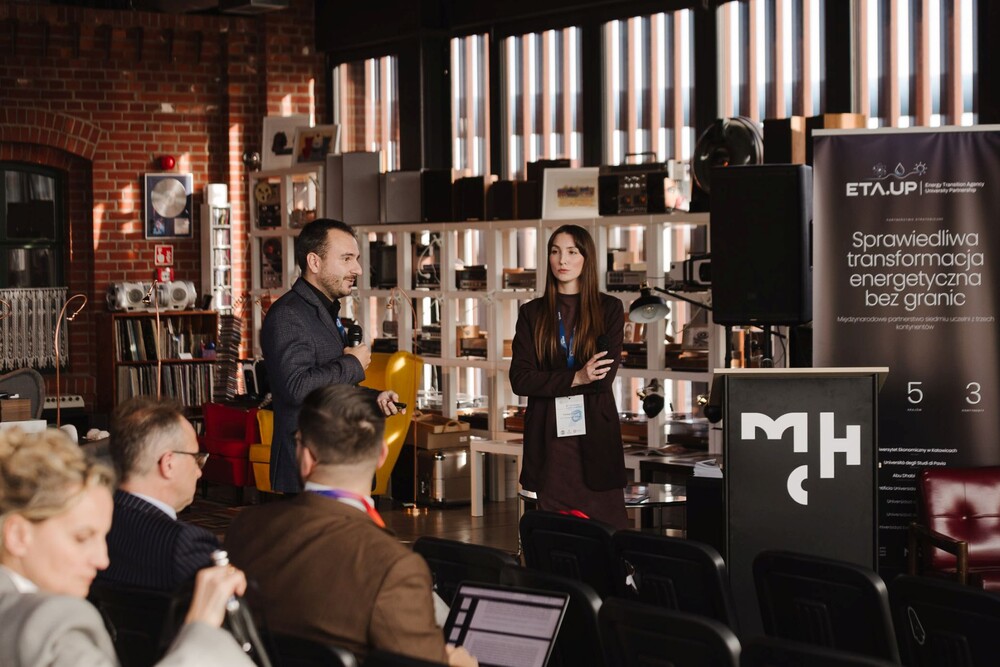
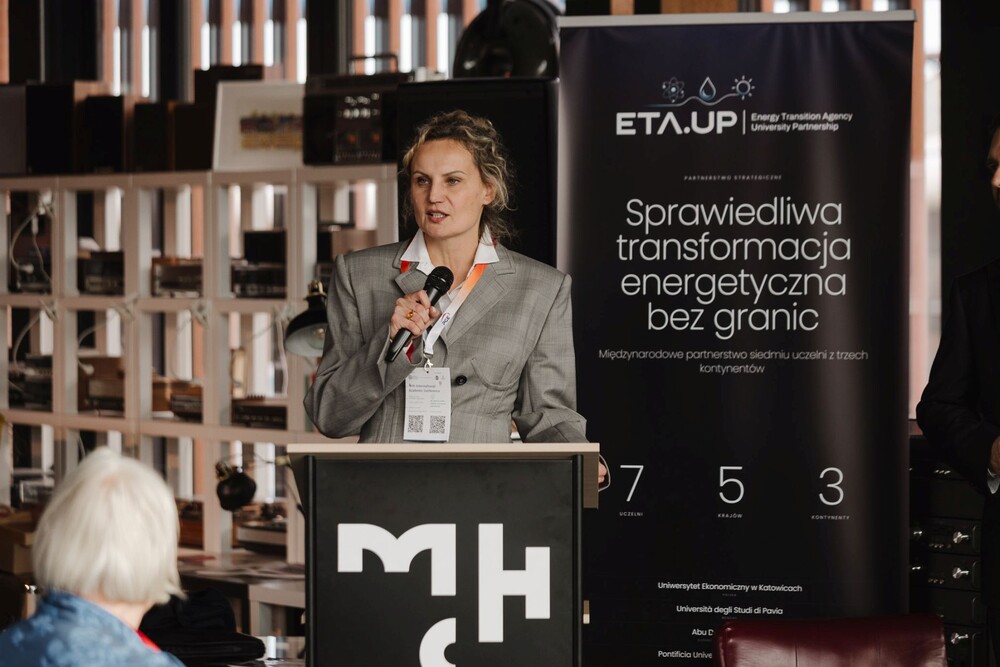
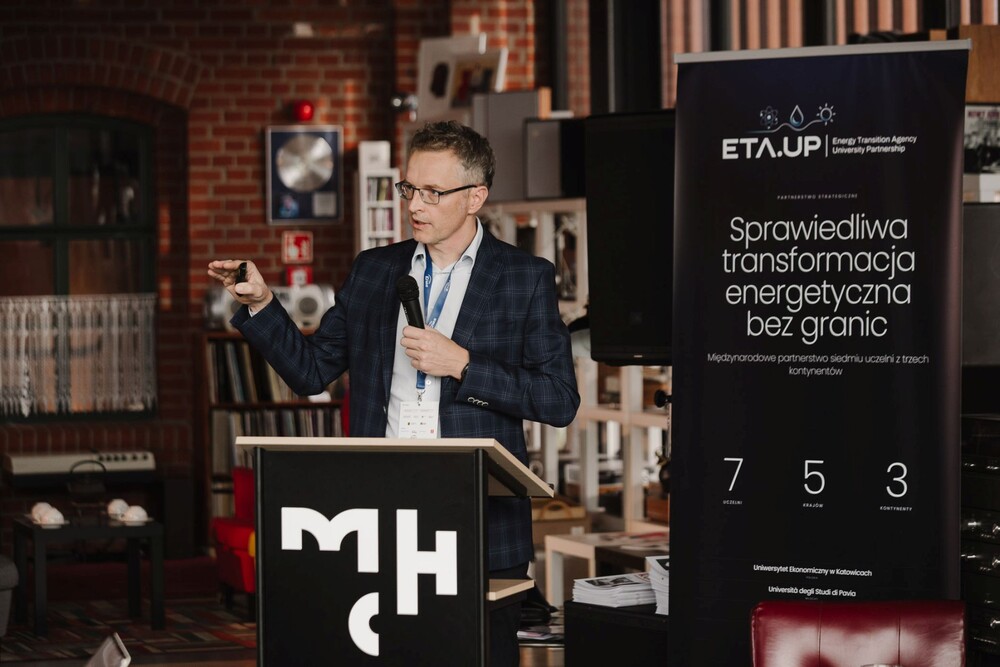
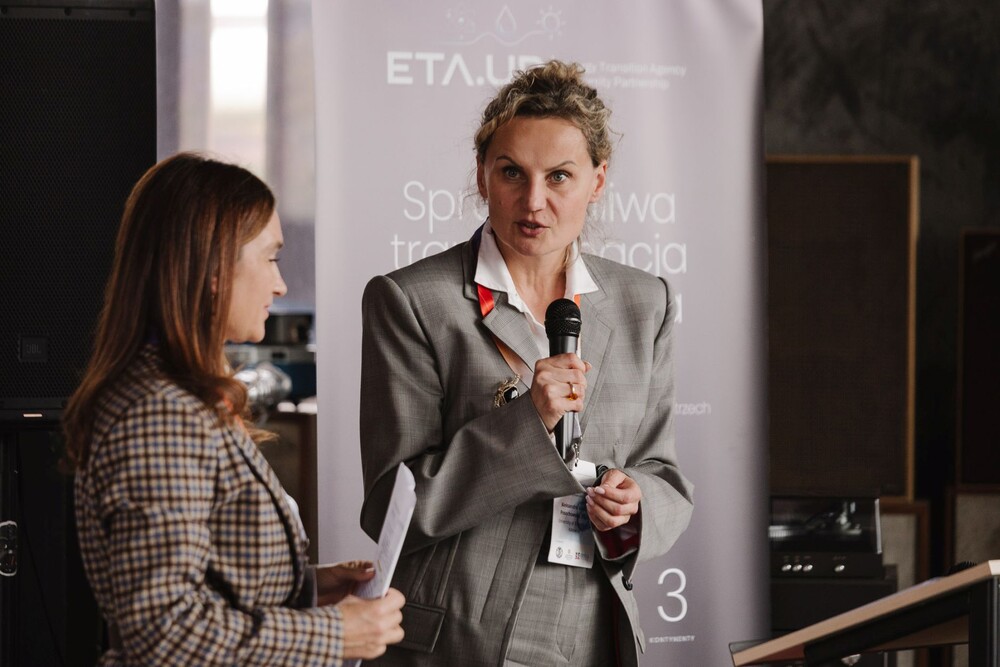
During the event, Dr Marcin Kraśniewski introduced the Energy Transition Agency – University Partnership (ETA.UP), a new international initiative funded by the Polish National Agency for Academic Exchange (NAWA), launched on 1 October 2026.
The project brings together the University of Economics in Katowice and six strategic university partners from Italy, the United Arab Emirates, Chile and Colombia. Its activities will include international academic mobility, joint research, educational programmes and international scientific events.
The initiative represents a further step in developing the University as an international centre for research and education on the just energy transition.
The conference also demonstrated the importance of cooperation between the University and its institutional and industry partners, including leading companies operating in the Polish energy sector.
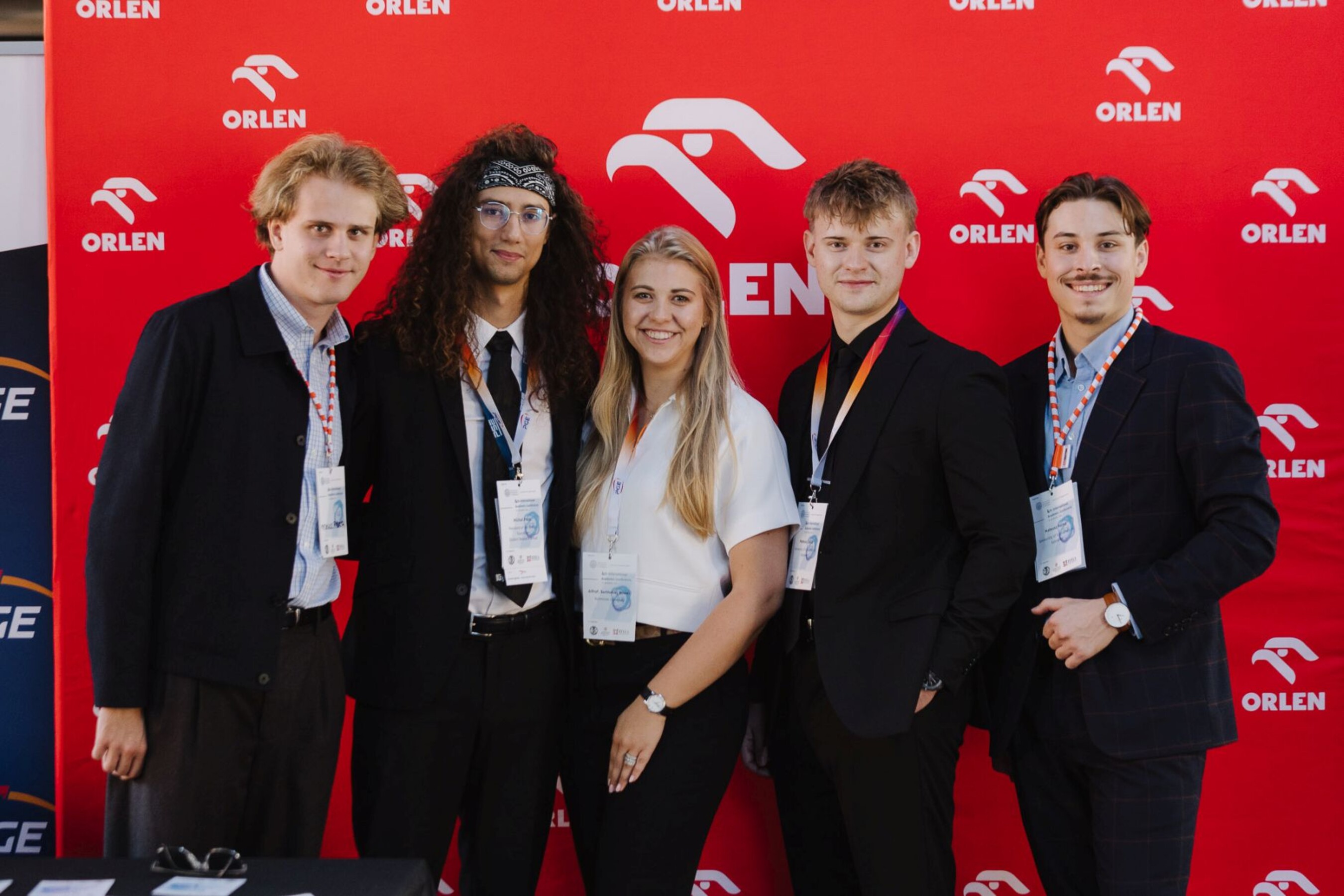
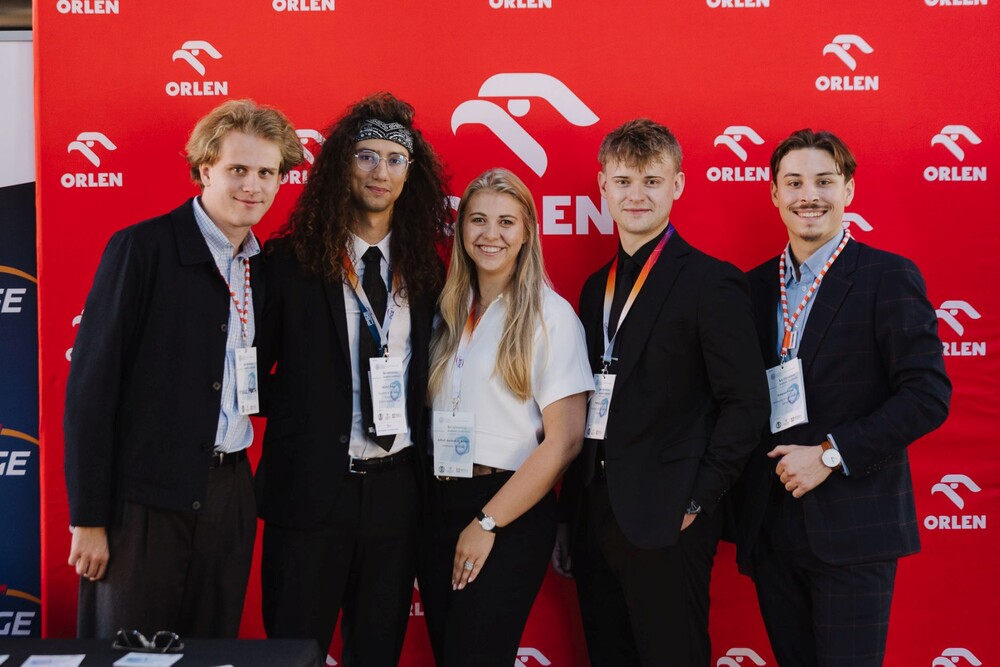
Special recognition is due to the students of the University of Economics in Katowice, whose commitment and involvement made an important contribution to the preparation and organisation of the event.
Silesia as a Meeting Place for Global Energy Dialogue
The 4th International Academic Conference “Energy Justice & Energy Transition: Global, Europe, State” confirmed that the University of Economics in Katowice is developing an increasingly international platform for academic cooperation and dialogue between science, business and public institutions.
By bringing together researchers and practitioners from six continents, the conference created opportunities for the exchange of knowledge, comparative research and the development of new international partnerships.
Above all, the discussions demonstrated that there is no single pathway towards a just energy transition. Different countries face different economic, technological and social challenges, but international cooperation remains essential to finding solutions that combine energy security, sustainability and social justice.
The fourth edition marked another important milestone in the development of the Energy Justice & Energy Transition conference series and reinforced the role of the University of Economics in Katowice in shaping international debate on the future of energy.









Join us