
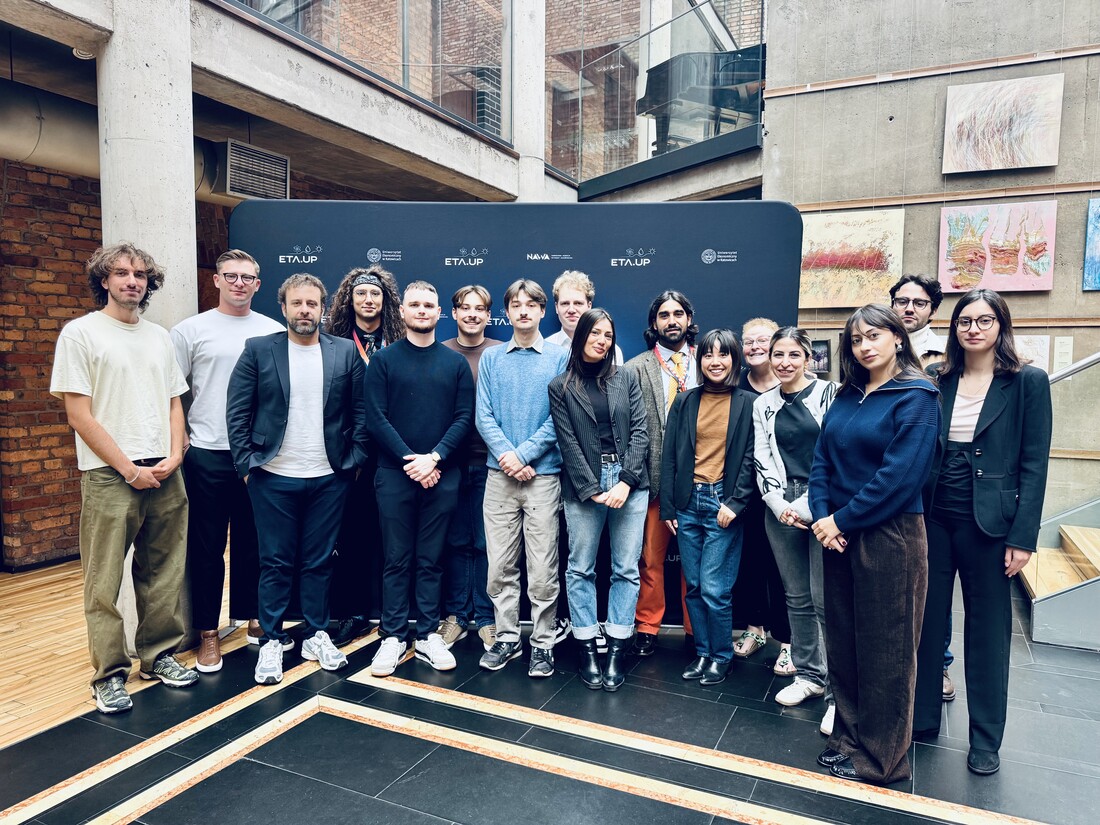
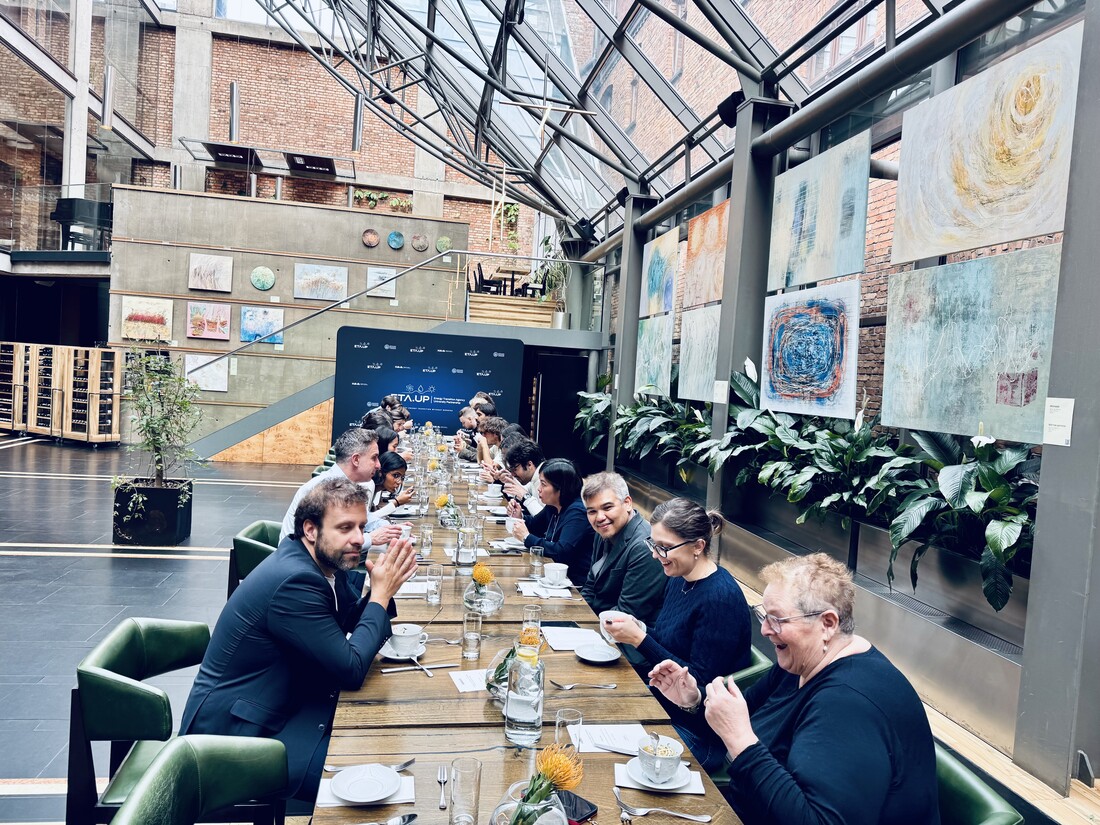
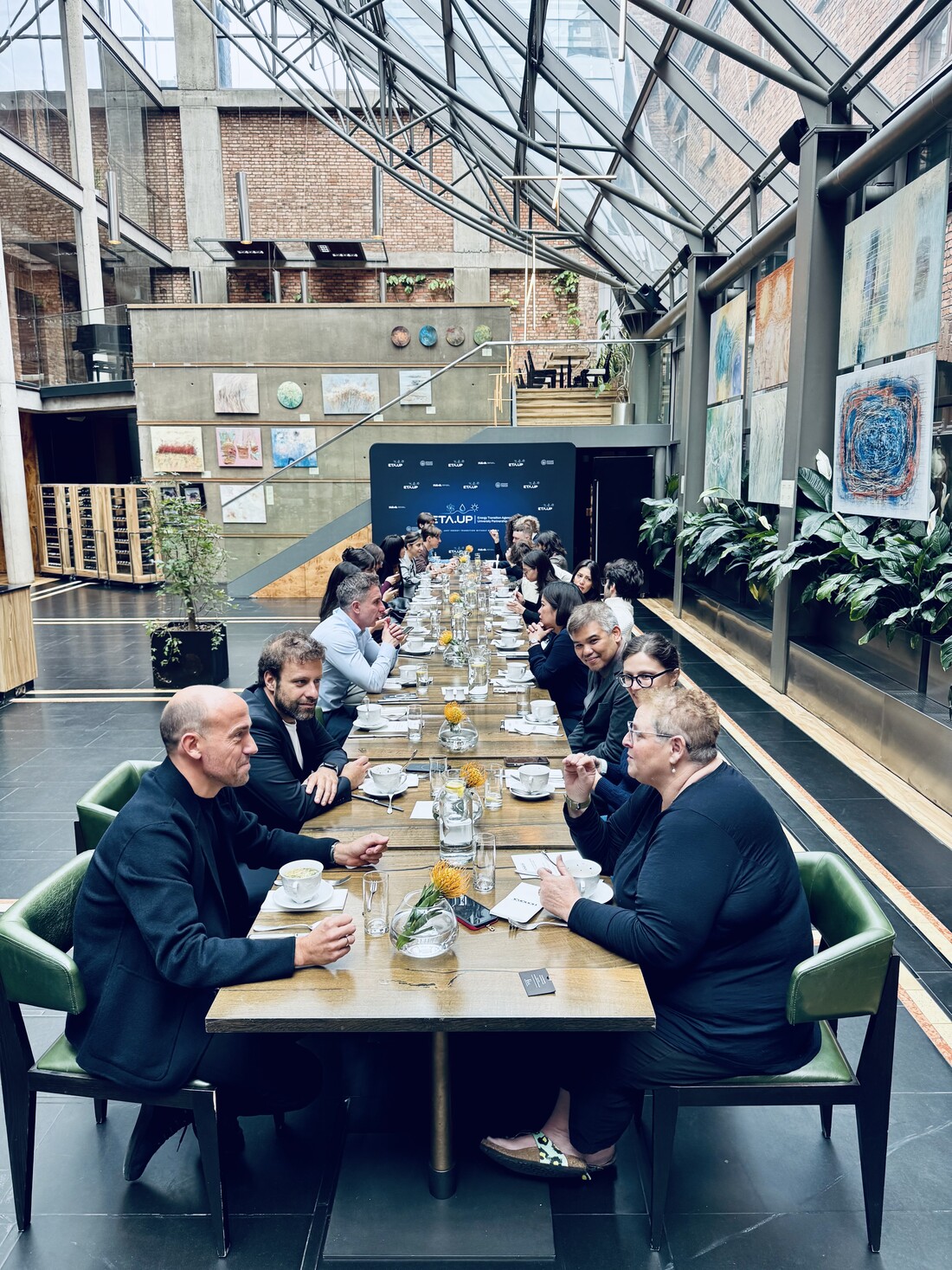
Nearly 20 students from Poland and Italy took part in the 2nd Polish-Italian Intensive School on Energy Transition, held at the University of Economics in Katowice from 23 to 25 October 2026. Over three days, participants explored the global challenges of energy transition alongside academics and experts representing Poland, Italy, the United Arab Emirates, the Philippines and Australia. The event demonstrated how international academic cooperation, combined with the involvement of industry, can create new educational opportunities for students.
An international initiative connecting Poland and Italy
The second edition of the Polish-Italian Intensive School on Energy Transition brought together students from the University of Economics in Katowice and the University of Pavia. Italian students travelled to Poland specifically to participate in the programme, joining their Polish colleagues for three days of intensive learning, discussion and international exchange.
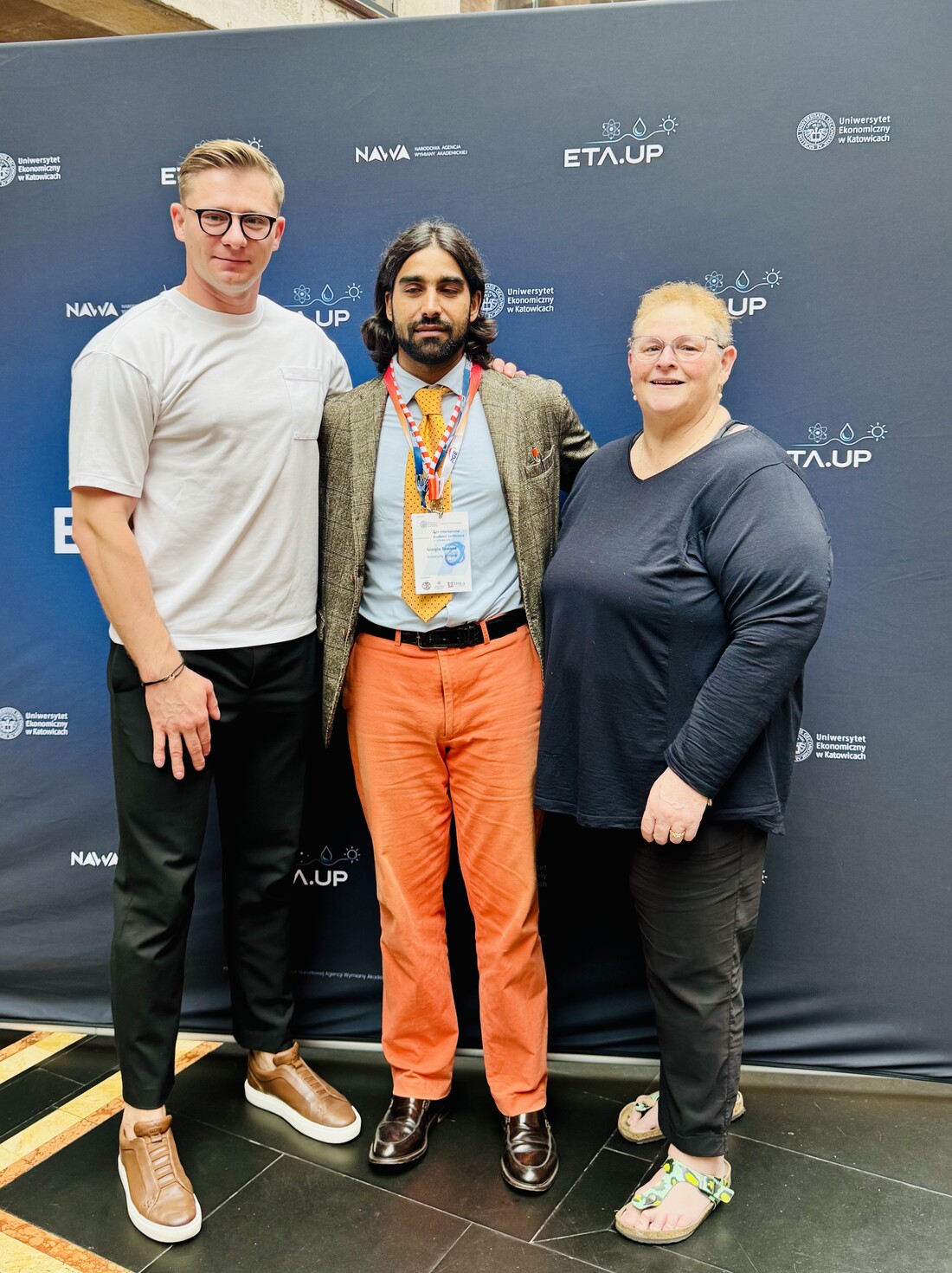
The School was developed through the joint initiative of A/Prof. Marzena Czarnecka and Dr Marcin Kraśniewski from the University of Economics in Katowice, together with Professor Katarzyna Gromek-Broc from the University of Pavia.
The programme was designed to offer students an educational experience extending beyond traditional university lectures, combining academic knowledge with practical perspectives on energy policy, international regulation, sustainability and the challenges facing the global energy sector.
The School was officially opened by Dr Marcin Kraśniewski, who welcomed the participants and highlighted the importance of international cooperation in preparing a new generation of experts for the energy transition.
ORLEN brings the industry perspective to the opening day
One of the defining features of this year's School was its close cooperation with ORLEN, one of Central and Eastern Europe's leading integrated energy companies, operating across the oil, gas, electricity and wider energy sectors.
The event would not have been possible without ORLEN's cooperation and support, which helped bring an important practical and industry-oriented dimension to the educational programme.
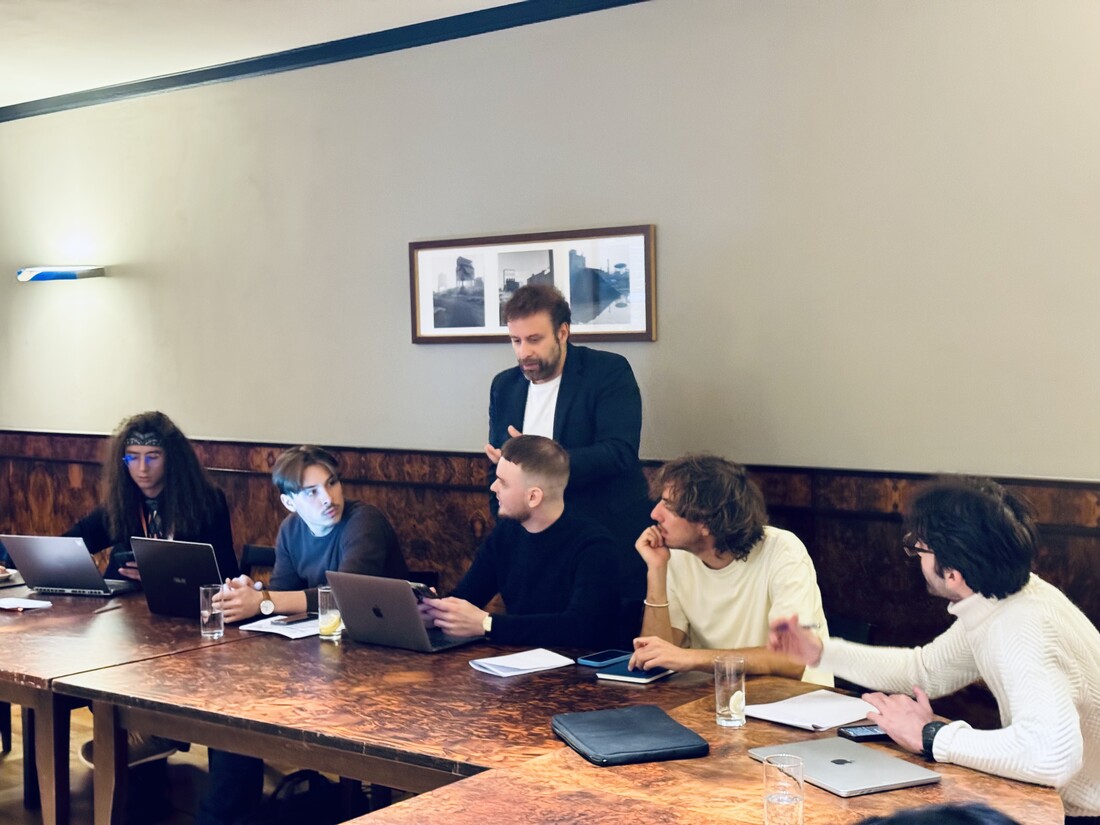
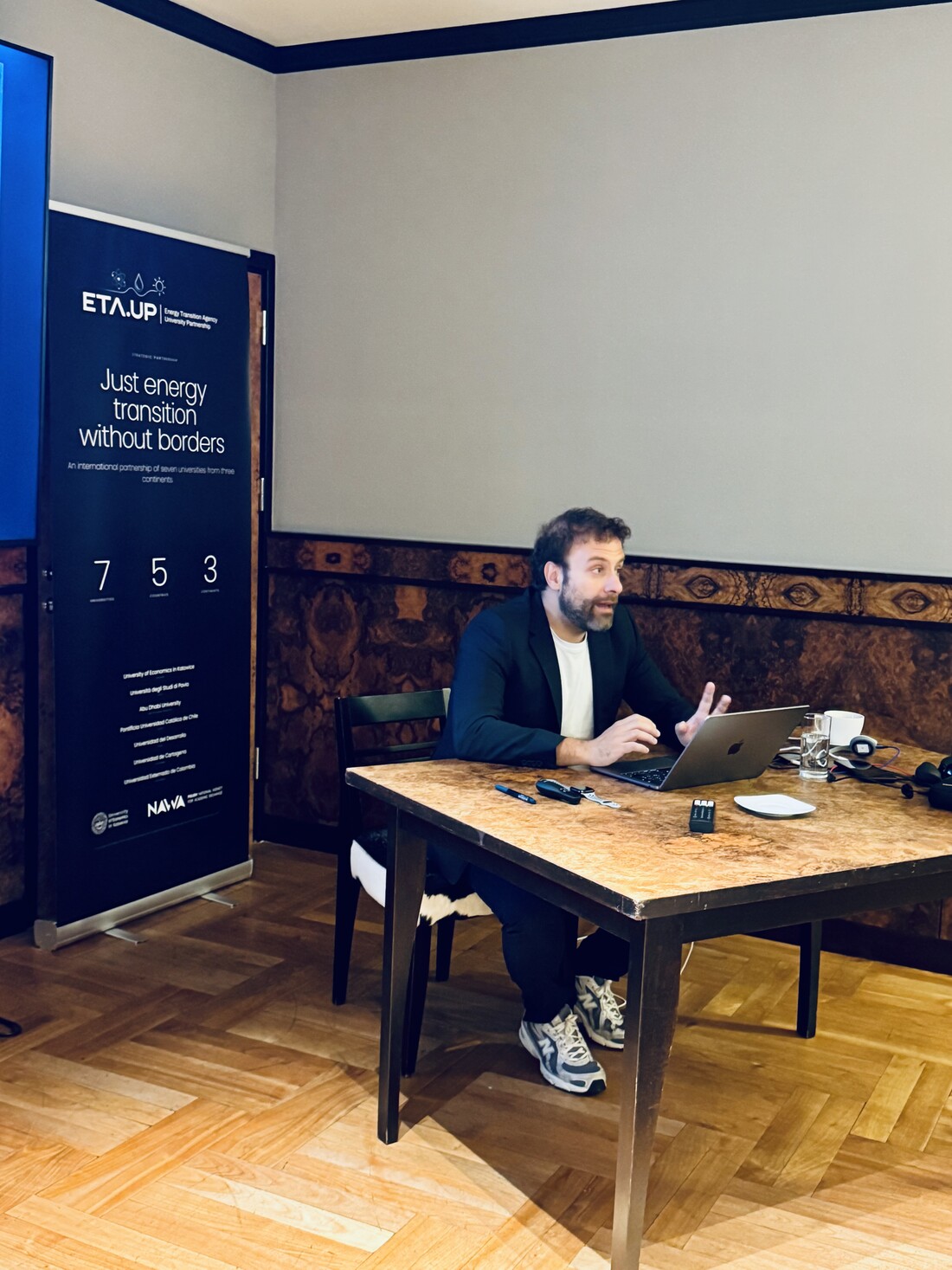
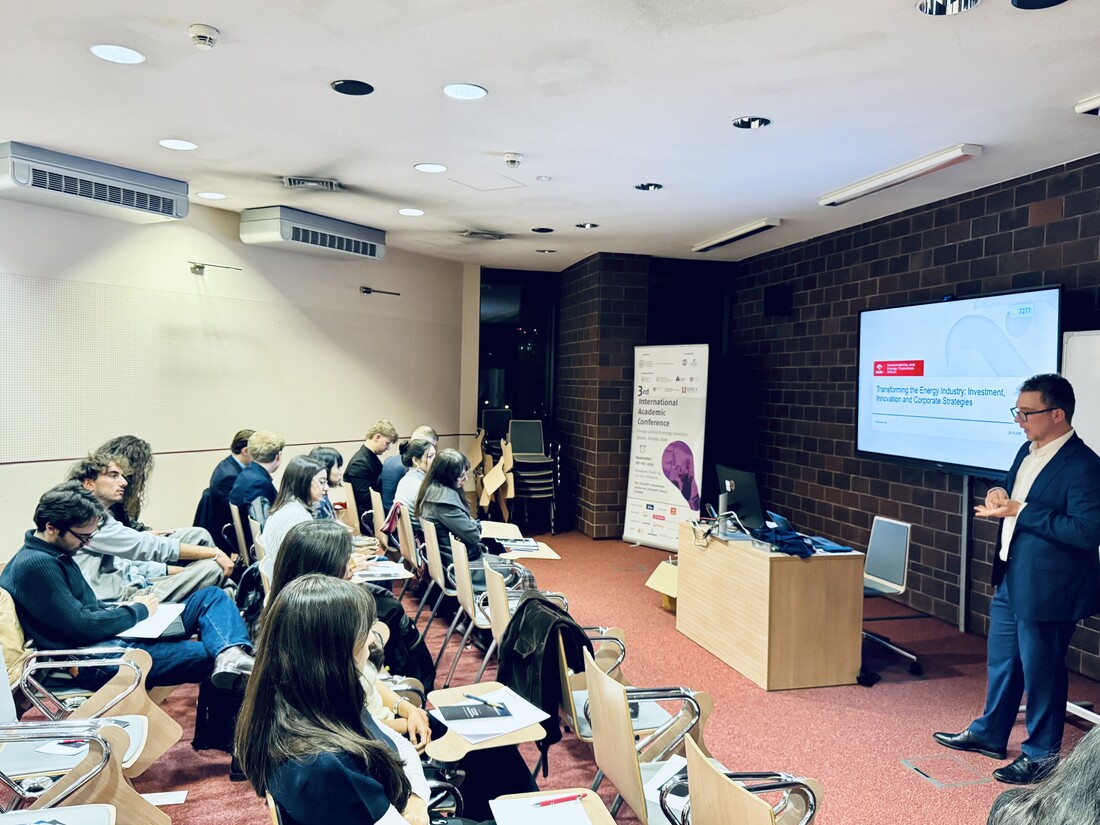
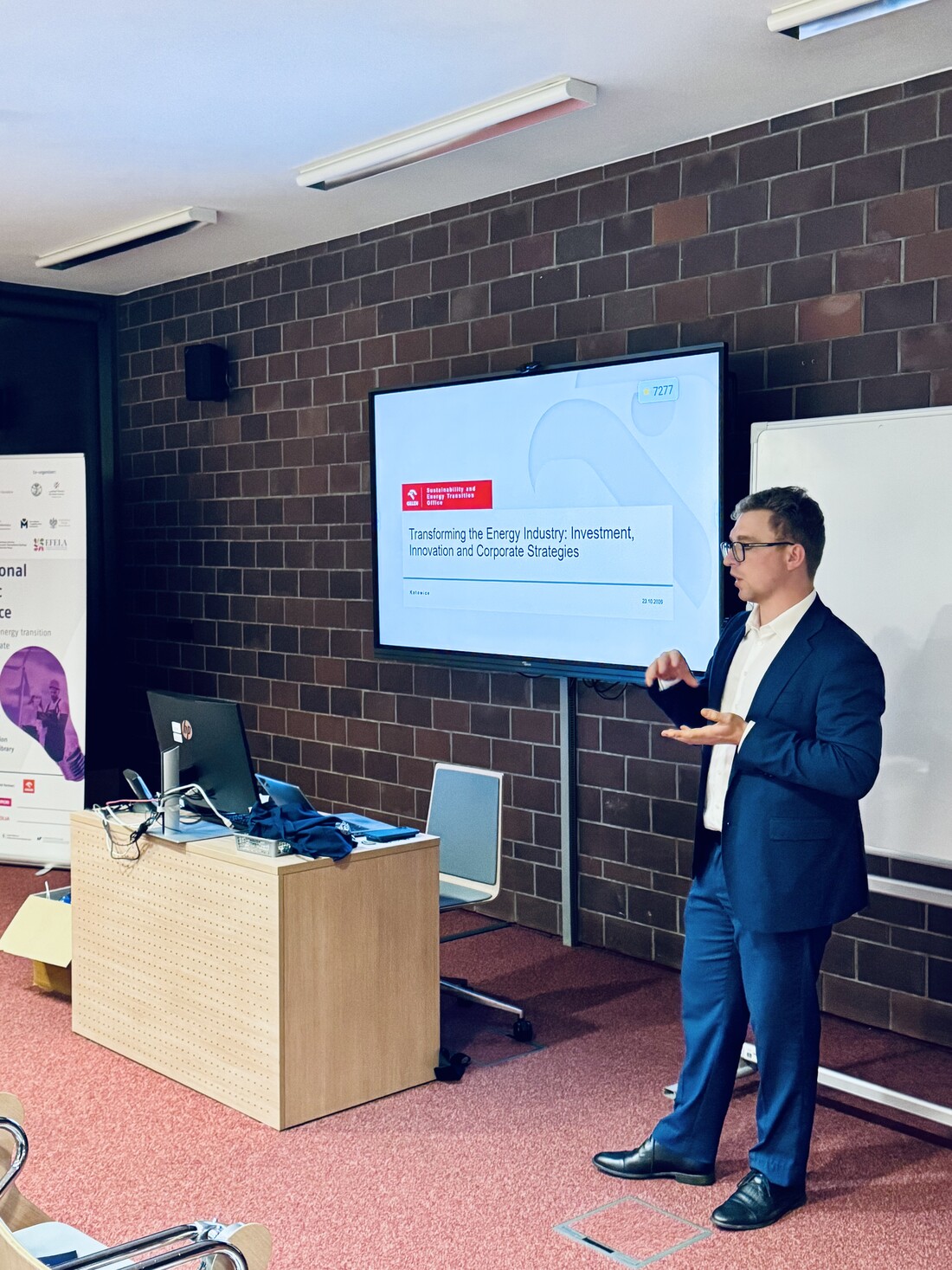
On Friday, 23 October, Nicola Mellere, representing ORLEN S.A., delivered the opening expert seminar, entitled “Transforming the Energy Industry: Investment, Innovation and Corporate Strategies”.
The session introduced students to the realities of transformation within a major energy company, exploring how investment decisions, technological innovation and corporate strategies influence the future of the energy sector.
The opening day continued with a seminar delivered by Professor Raphael Heffron from Abu Dhabi University in the United Arab Emirates, who discussed energy justice and the global energy transition, including its challenges, opportunities and future directions.
These opening sessions established one of the central messages of the School: the energy transition cannot be understood solely from a national or European perspective. It is a global process shaped by different economic conditions, legal systems, technologies and social priorities.
Five countries, three continents and a global perspective
Although the School was founded on Polish-Italian academic cooperation, its educational programme reached far beyond Europe.
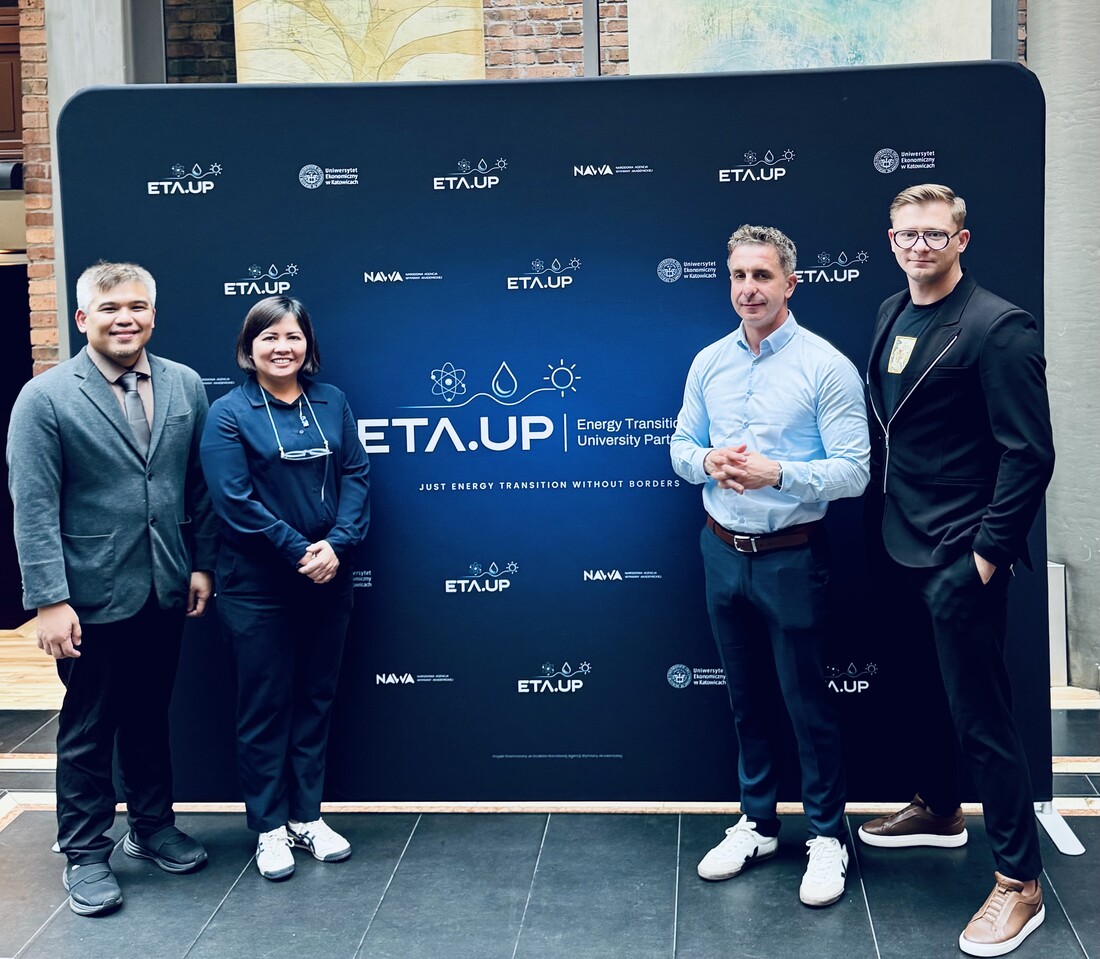
Academics and experts from Poland, Italy, the United Arab Emirates, the Philippines and Australia contributed to the event, offering students an opportunity to examine the energy transition through different geographical, regulatory and institutional perspectives.
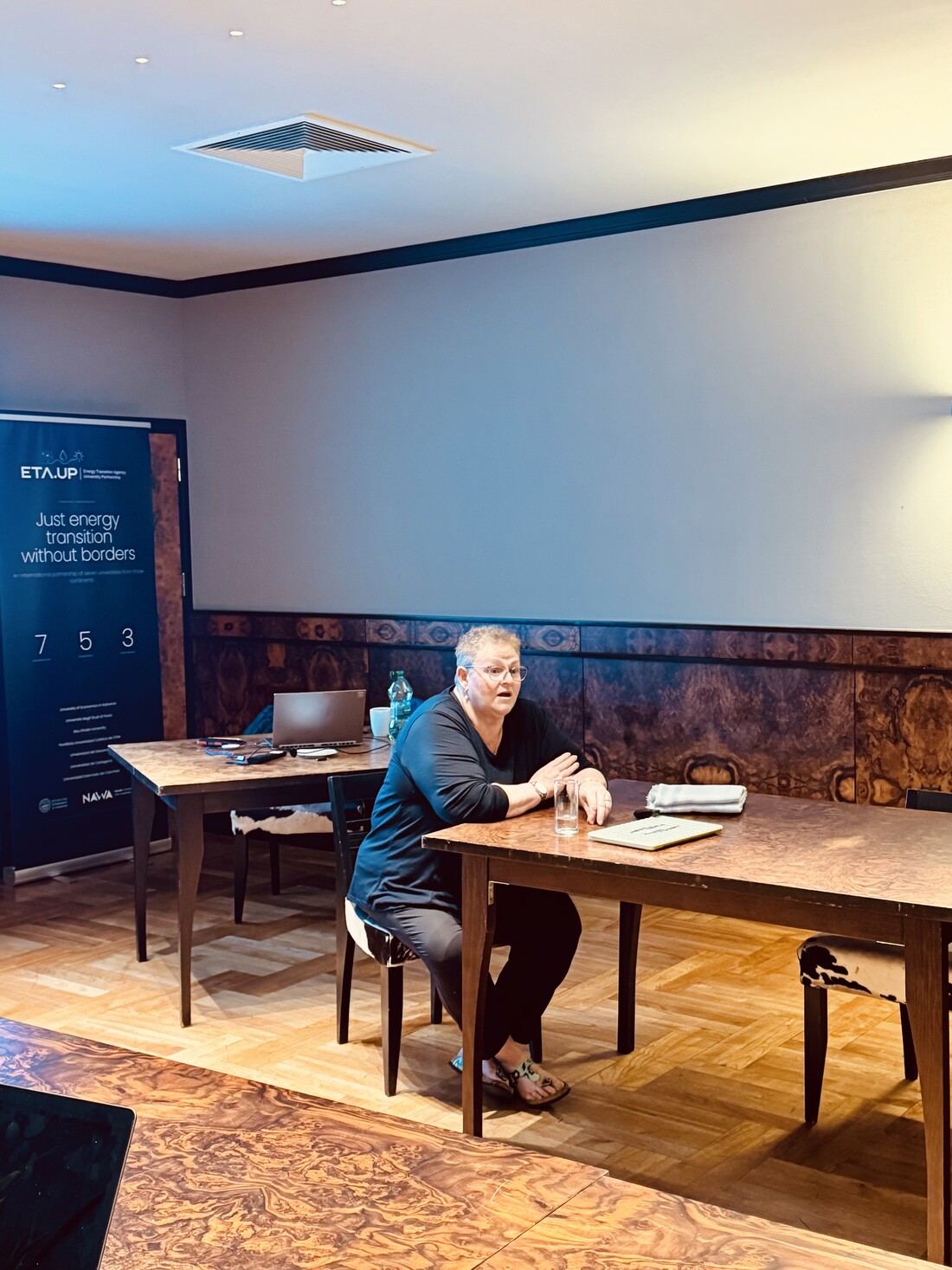
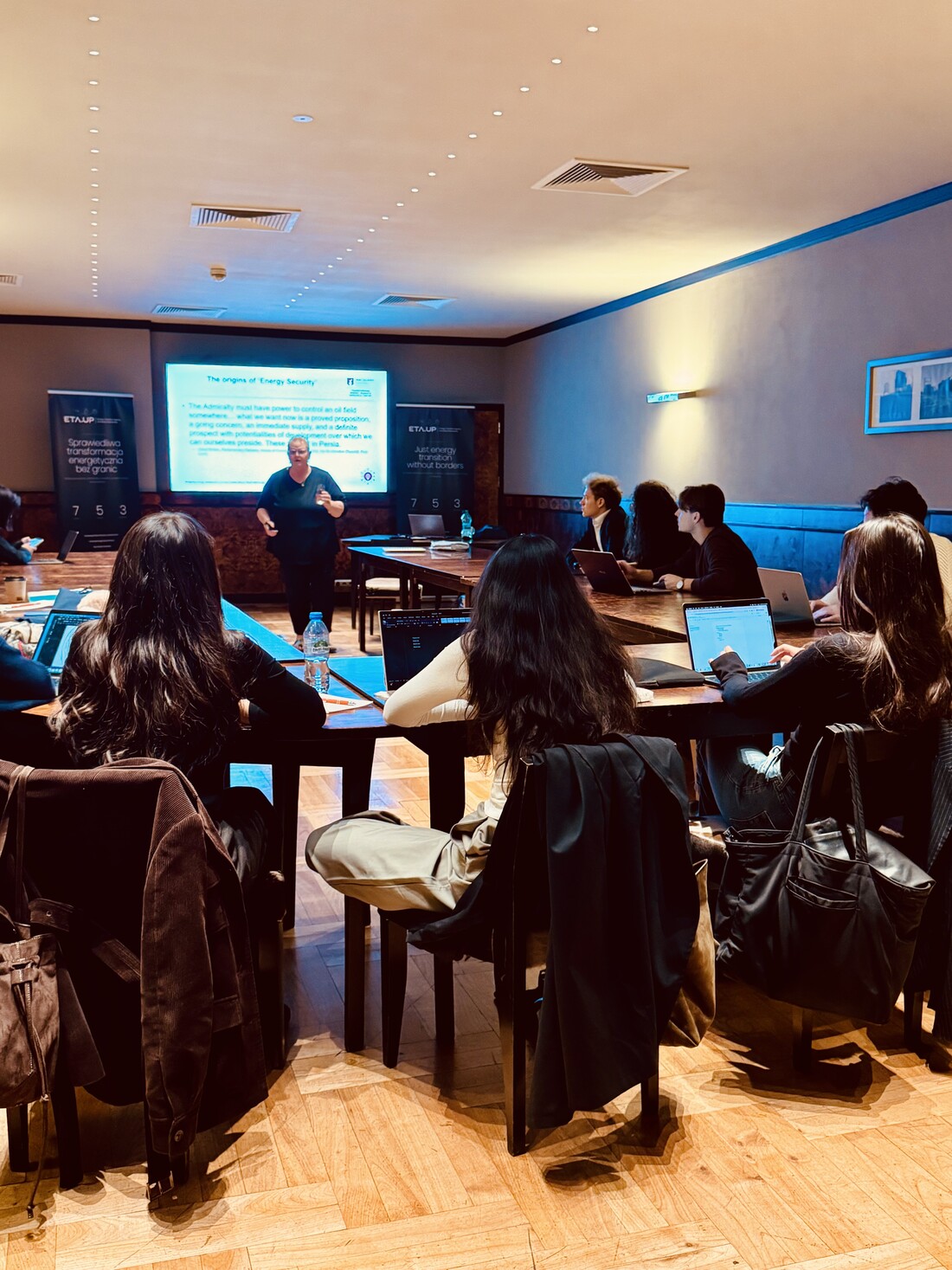
Saturday's programme began with Professor Tina Soliman Hunter from Macquarie University, Australia, who addressed the future of nuclear energy and energy security, with particular attention to regulatory and sustainability challenges. Her lecture was followed by an interactive reflection workshop.
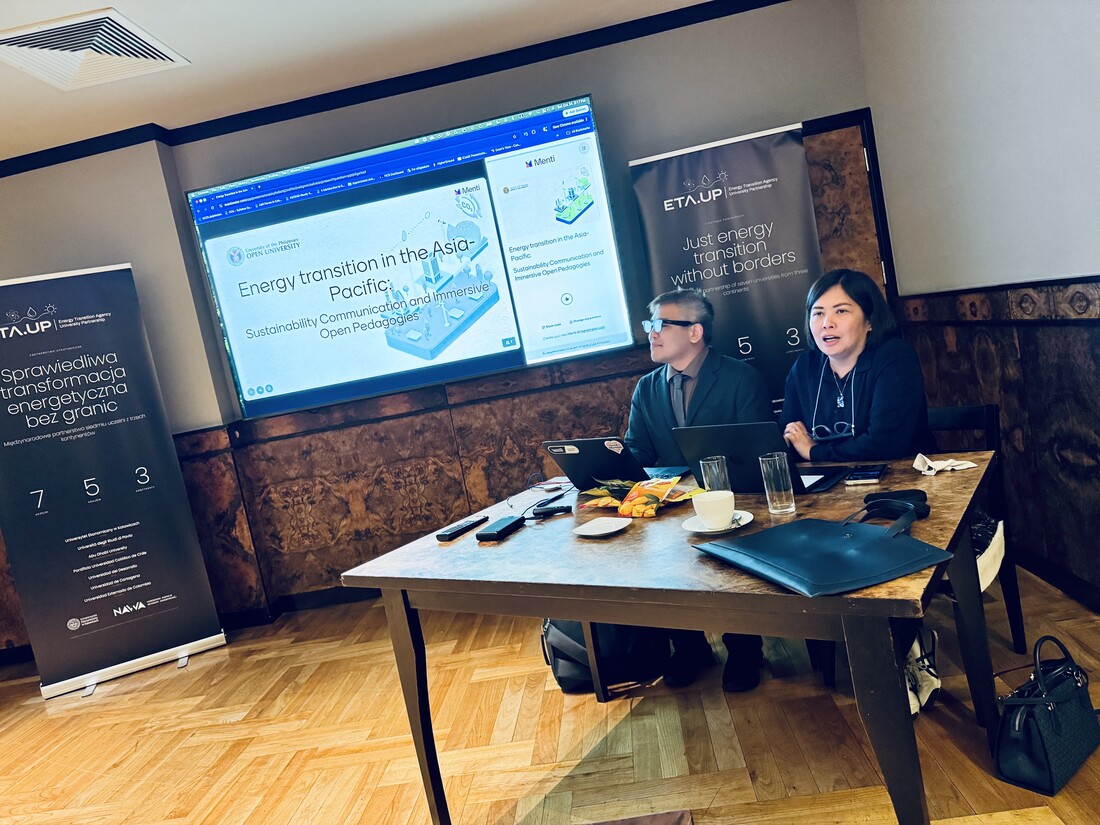
The discussion then moved to Southeast Asia, with Dr Joane V. Serrano and Dr Roberto B. Figueroa from the University of the Philippines presenting the challenges of energy transition in the Asia-Pacific region. Their session explored sustainability, the role of local communities and the importance of international cooperation.
The European perspective was presented by Dr Borys Budka, Member of the European Parliament, who discussed career opportunities and prospects within the European Parliament and other EU institutions. Dr Budka also highlighted the benefits and achievements of European academic exchange programmes.
Another important contribution came from Associate Professor Damiano Fushi of the University of Insubria, Italy, whose seminar examined smart cities, urban data, technological sovereignty and energy justice.
The programme also explored the relationship between academic research, innovation and international scientific leadership. Professor Tomasz K. Wojdacz from the Medical University of Białystok discussed how academic knowledge and research can generate impact beyond universities and contribute to addressing global challenges.
Together, these contributions provided students with a broad understanding of the energy transition, connecting nuclear energy, public policy, technological innovation, social justice, sustainable development and international governance.
Learning by doing: students at the centre of the programme
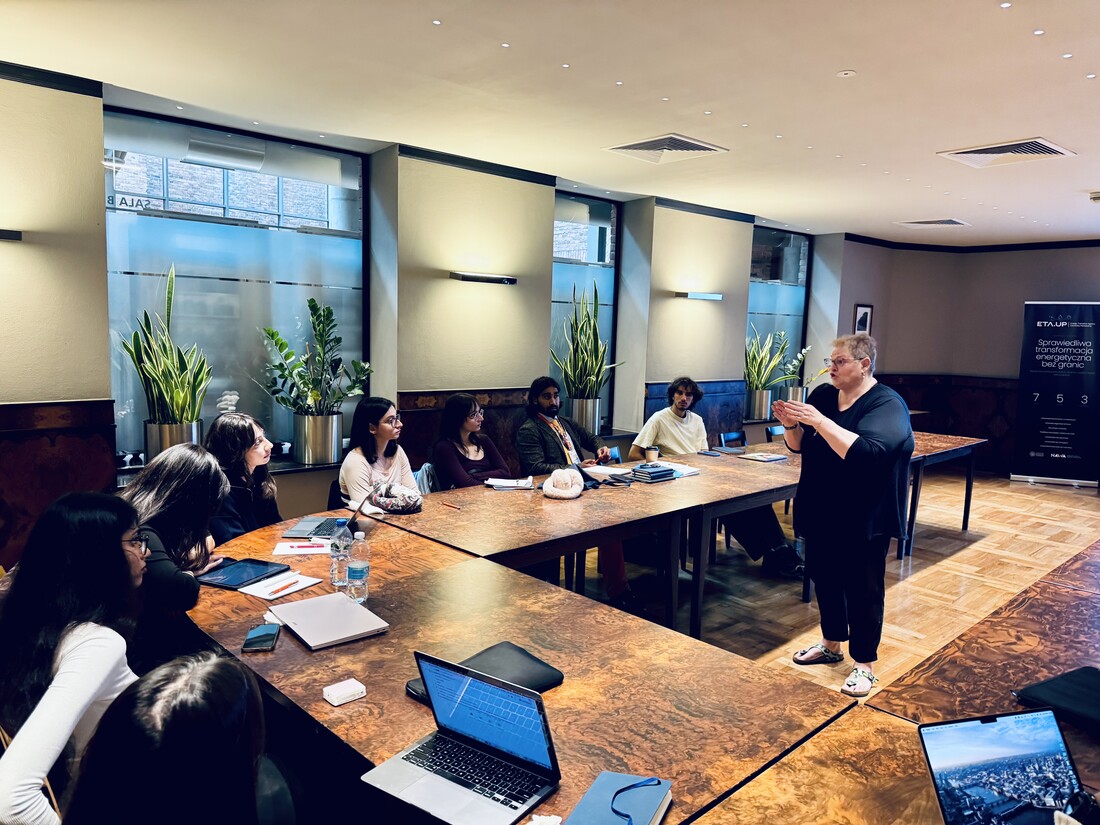
The Polish-Italian Intensive School was designed not simply as a series of lectures, but as an interactive educational experience.
Its distinctive teaching philosophy was developed by Professor Katarzyna Gromek-Broc from the University of Pavia, drawing on her extensive international academic and teaching experience.
The approach is based on the principle of learning by doing, encouraging students to become active participants in the educational process rather than passive recipients of information.
Throughout the School, participants were encouraged to ask questions, exchange perspectives, discuss complex regulatory and policy challenges, and work together across national and disciplinary boundaries.
On Sunday, 25 October, students took centre stage during the “Shaping the Energy Transition - Three Perspectives on the Future” challenge. Working in international teams, they reflected on the knowledge acquired during the programme and presented their perspectives on the future of the energy transition.
The School concluded with an interactive seminar led by Dr Marcin Kraśniewski, entitled “Global Perspectives on the Energy Transition - Building International Academic Partnerships and Research Opportunities”. The session highlighted the role of international academic networks in developing new educational initiatives, collaborative research and opportunities for young people.
Italian students enthusiastic about their experience in Katowice
The School was also an opportunity to strengthen personal and academic connections between students from Poland and Italy.
The Italian participants, who had travelled specifically to Katowice to attend the event, expressed considerable enthusiasm for the programme. They particularly appreciated the international character of the School, the opportunity to engage directly with experts from different parts of the world, and the welcoming atmosphere created by their Polish colleagues.
Their positive feedback reflected the value of an educational format that combines international academic expertise with opportunities for discussion, collaboration and intercultural exchange.
For the Polish students, the School offered an equally valuable opportunity to develop their international experience without leaving their home university, while working alongside peers from another European country.
Beyond the academic programme, the event helped build friendships, strengthen institutional relationships and create foundations for future cooperation.
Building international academic cooperation for the future
The second Polish-Italian Intensive School on Energy Transition demonstrated that successful internationalisation of higher education involves much more than student mobility alone.
By bringing together students, academics, policymakers and industry representatives, the University of Economics in Katowice and the University of Pavia created a platform for exchanging knowledge and developing competencies relevant to the future of the global energy sector.
The participation of experts from Europe, the Middle East, Southeast Asia and Australia gave the programme a genuinely international dimension and allowed students to understand how different regions approach the common challenge of energy transition.
Equally important was the cooperation with ORLEN, which demonstrated the value of building stronger relationships between universities and the energy industry.
The School confirmed that international cooperation, interdisciplinary education and practical engagement are essential to preparing future professionals capable of addressing the complex challenges of a just and sustainable energy transition.
The organisers extend their sincere thanks to all participating students, lecturers and international partners, with particular appreciation to ORLEN for its invaluable cooperation and support.
The success of the second edition provides a strong foundation for the continued development of Polish-Italian academic cooperation and future international educational initiatives.








Join us